Read More
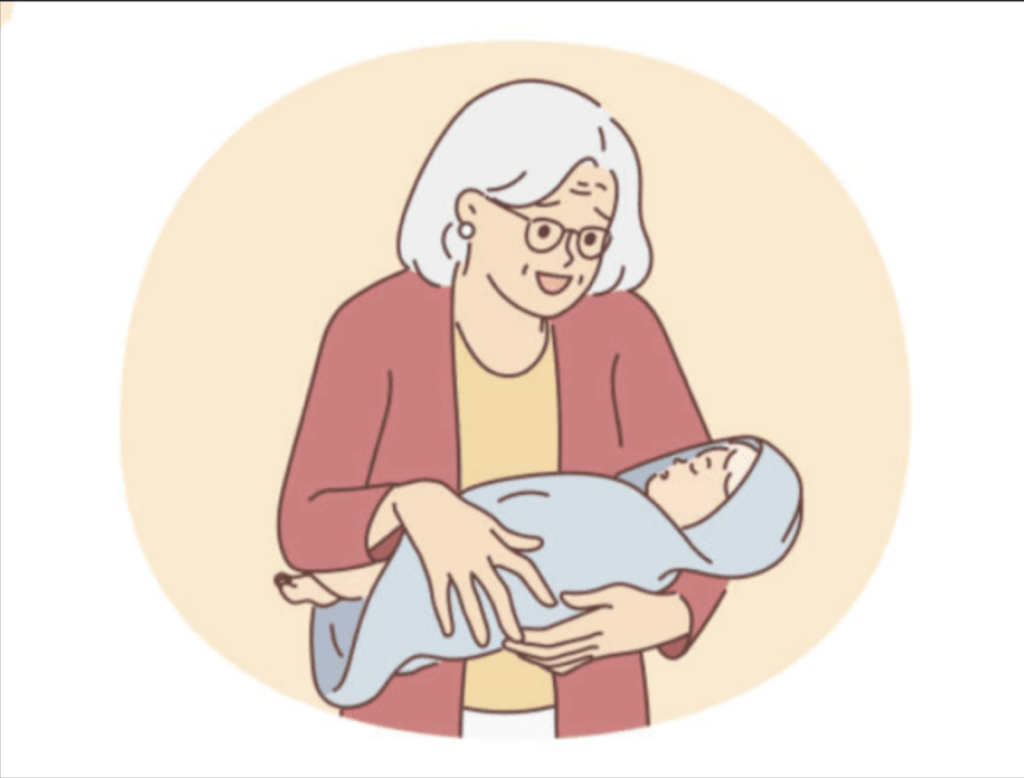
On the first and second days of Lunar New Year, everyone heads out to visit relatives and friends, especially for the joy of letting grandparents cuddle their adorable grandchildren. Doctors point out that for seniors, holding grandchildren or doing simple household chores can be beneficial for their health. It's best to integrate exercise training into daily life—no complex equipment needed. This approach can easily increase physical activity, build muscle strength, and reduce the risk of injury or chronic diseases. Seniors can truly grow stronger with age.
ADVERTISEMENT
SCROLL TO CONTINUE WITH CONTENT
Genetic and eugenics physician Dr. Cheung Ka-ming shared on his Facebook page that "exercise is the best medicine" is not just a slogan, but a fact supported by scientific data. Resistance training, in particular, promotes glucose uptake by muscles, improves blood lipids, and lowers blood pressure. It complements medication and can even help some patients reduce their medication dosage.
He cited a systematic review and meta-analysis published this year in the European Heart Journal Open, which integrated 59 randomized controlled trials involving over 1,800 adults with conditions like type 2 diabetes, hypertension, high cholesterol, and obesity. The results showed that consistent resistance training—whether low-intensity, moderate-intensity, high-intensity, or progressive overload—effectively improved cardiovascular risk factors, including HbA1c, blood pressure, LDL cholesterol, and waist-to-hip ratio.
- Blood Sugar Control: Moderate-intensity training lowered HbA1c by an average of 0.40% , while high-intensity training achieved a reduction of 0.81% .
- Blood Pressure Reduction: Progressive overload training had the most dramatic effect, lowering systolic blood pressure by an average of 14.7 mmHg—a clinically significant reduction that markedly decreases the risk of stroke and heart disease.
- Lowering LDL Cholesterol: Both low-intensity and progressive overload training showed significant effects.
- Improving Waist-to-Hip Ratio: High-intensity and progressive overload training were most effective.
How to Do Home-Based Resistance Training?
Cheung explained that when many people hear "resistance training," they immediately think of dumbbells and barbells in a gym. However, it can be easily integrated into daily life. Any time muscles work against a resistance, it's a form of resistance training. Examples include lifting a heavy grocery basket, holding a grandchild, carrying a bag of rice, or even repeatedly sitting down and standing up from a chair, doing squats, or push-ups. Water bottles at home, resistance bands, and even body weight are great tools.
Start with a weight or movement that feels "somewhat challenging but still doable." Aim for 2-3 sessions per week, 15-30 minutes each. When movements become easier, gradually increase the weight or repetitions. This step-by-step approach—progressive overload training—offers better blood pressure and lipid-lowering effects while minimizing injury risk.
This is especially important for older adults, those with chronic conditions, or beginners. Start with low intensity and gradually increase under the guidance of a professional trainer or doctor. For individuals with slightly high blood sugar or pressure, this approach is safer and easier to sustain than jumping into high-intensity exercise.
Resistance Training Lowers Blood Pressure/Sugar: Results Visible in Weeks
Resistance training doesn't just sculpt the body; it protects the heart and blood vessels. After just a few weeks to months, those who monitor their blood pressure daily will notice gradual declines—especially with progressive training. Every 3-6 months, blood tests will reveal gradual improvements in HbA1c and LDL cholesterol. A smaller waist circumference and looser pants are direct evidence of a reduced waist-to-hip ratio, indicating less visceral fat and lower cardiovascular strain.
To maximize training benefits, diet and routine are equally important. Eat plenty of vegetables, fruits, and high-quality protein; reduce refined sugar and excess salt to lower blood sugar and pressure. Regular sleep and avoiding late nights help stabilize hormones and metabolism, ensuring your hard work pays off.