Your bathroom might be hiding a deadly danger. A doctor points out that a common shower item used daily is actually a super breeding ground for bacteria and mold. Frequent use can easily lead to skin infections, and in severe cases, it could even be fatal. What shower products can help avoid bacterial infections?
According to Daily Mail, US family physician Dr. Sasha Haddad shared in a video that she does not use loofahs in the shower, sparking online discussion. She explained that loofahs are made from dried tropical gourds, but they often remain damp, becoming full of bacteria and mold. Therefore, she doesn't want to rub those bacteria back onto her skin.
Furthermore, Orlando dermatologist Dr. J. Matthew Knight added that the mesh of common shower puffs/balls traps large amounts of dead skin cells scrubbed off during use. Leaving a loofah or puff with dead skin in a warm, humid bathroom environment easily promotes the growth of bacteria, yeast, and mold. Research indicates that shower puffs can harbor bacteria including E. coli, Staphylococcus, and Streptococcus, which can be life-threatening in severe infections.
Sun-Drying May Not Fully Disinfect; Doctor Recommends 2 Alternative Bathing Products
Haddad stated that washing with disinfectant and thoroughly sun-drying after each use could have a minor disinfecting effect, but not everyone does this consistently after every shower. Therefore, she recommends directly switching to the following two more hygienic and safer alternatives:
- Washcloths/Towels (that can be frequently washed and replaced)
- Silicone body scrubbers/cleansing brushes
10 Household Items Prone to Bacteria & How to Clean Them Effectively
Beyond TV remotes, intensive care specialist Dr. Huang Xuan has pointed out on Facebook that 10 seemingly insignificant everyday household items can also harbor various bacteria. He also shared cleaning methods to maintain good hygiene habits and protect health.
- Showerhead: Can accumulate more bacteria than toilet water. Soak in warm water with sodium percarbonate (oxygen-based bleach) for 30 mins, then scrub with an old toothbrush.
- Washing Machine: Dirt buildup can harbor more bacteria than a toilet. Use the self-clean cycle or a hot water cycle with washing machine cleaner or sodium percarbonate.
- Mobile Phone: Screen bacteria can be 400 times more than a toilet. Disinfect with alcohol wipes after coming home, before eating, and after using the toilet.
- Mouse & Keyboard: Can have tens of thousands times more bacteria than a toilet seat. Clean with alcohol wipes/cloth; use cotton swabs for keyboard crevices.
- Bath/Hand Towels: Can accumulate millions of bacteria (E. coli, Staphylococcus, Candida) within days. Wash at least once a week, ensure good bathroom ventilation, and dry completely after use.
- Toothbrush: Damp bathrooms breed bacteria. Replace every 6-8 weeks, rinse thoroughly, store upright to air dry.
- Cutting Board: Can harbor 200,000+ germs per cm² after a week; wooden boards after 2 months can have 12x more bacteria than a toilet. Use separate boards for raw/cooked food, clean immediately after use. Avoid deep grooves. Clean with dish soap; disinfect with 75% alcohol or diluted bleach. Air dry thoroughly.
- Kitchen Cloth/Dishrag: Can contain up to 875 million bacteria per cm² (pathogenic E. coli, Staphylococcus, Streptococcus). Soak in diluted bleach or boil in water. Wring out and sun-dry. Discard if discolored or spotted.
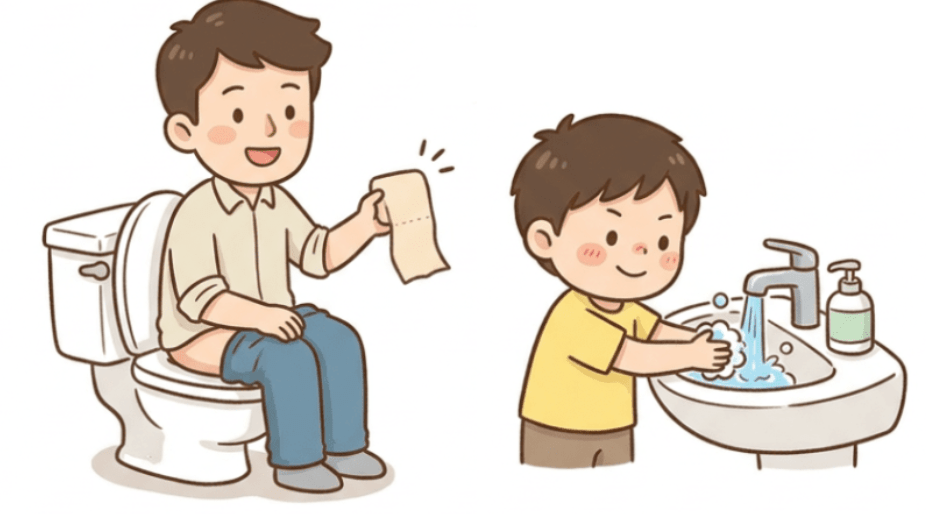
- Office/Kitchen Fridge Handle: Often contaminated with E. coli and Pseudomonas (can spread via feces). Wash hands thoroughly after bathroom use; regularly clean handles; avoid touching face.
- Light Switches (Especially Bathroom): Frequently touched with unwashed hands. Regularly wipe with disinfectant wipes (use a fresh one for each area); avoid touching your face.
Can E. coli / Staphylococcus aureus Harm Health?
According to Hong Kong's Department of Health:
- E. coli is common in human/animal intestines. Most strains are harmless, but some (e.g., Shiga toxin-producing E. coli like O157:H7) produce potent toxins causing severe foodborne illness, transmissible via the fecal-oral route.
- Staphylococcus aureus can be present on the skin/nose of healthy individuals (carriers). It can occasionally cause skin, wound, urinary tract, lung, bloodstream infections, and food poisoning.
- Methicillin-resistant Staphylococcus aureus (MRSA) is resistant to many common antibiotics. It generally causes skin/soft tissue infections (boils, abscesses, wound infections) presenting as redness, tenderness, or pus. Severe cases can lead to sepsis, pneumonia, or necrotizing fasciitis.