Can you tell if you have high cholesterol just by looking? Many believe detecting high cholesterol relies solely on medical check-ups, but that's not entirely true. A cardiologist shares that three signs visible on a person's appearance can indicate elevated cholesterol levels. Can you really detect high cholesterol by looking at your eyelids and earlobes?
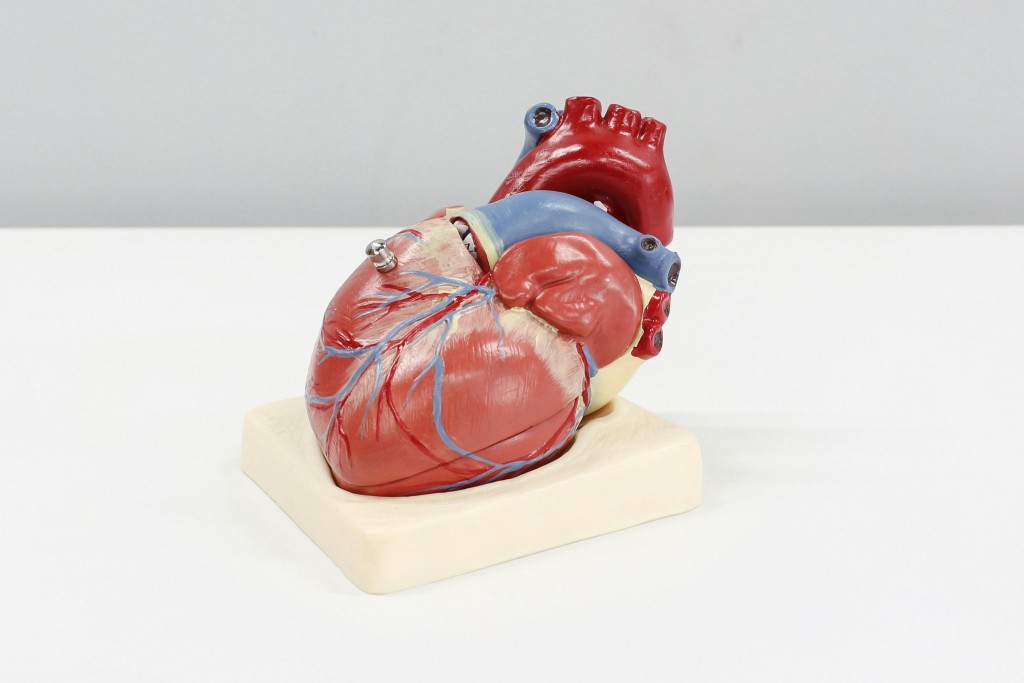
Cardiologist Dr. Chen Guan-ren recently shared on a program that high cholesterol often has no obvious symptoms, leaving many people unaware of their long-term elevated levels. If excess "bad" cholesterol (LDL) accumulates on blood vessel walls, it easily forms plaques leading to vascular calcification, increasing the risk of heart attack, stroke, and sudden death. Conversely, "good" cholesterol (HDL) helps remove excess lipids from vessel walls. The key is the ratio of good to bad cholesterol. Chen pointed out that the following facial and head signs may serve as warnings of abnormal blood lipid levels:
1. Diagonal Earlobe Crease (Frank's Sign)
If a deep diagonal or oblique crease appears on the earlobe, it may indicate high cholesterol, circulatory issues, or be related to decreased vascular elasticity and poor microcirculation, warranting further detailed examination.
International research notes that "Frank's sign" was named by Dr. Sanders T. Frank who observed this wrinkle in 20 angina patients. Earlobe creases appear in patients with coronary artery disease, peripheral artery disease, and cerebrovascular disease, indicating an association with cardiovascular issues.
2. Xanthelasma (Yellowish Patches Around Eyes)
When slightly raised yellowish nodules or plaques appear on the eyelids, it could be xanthelasma. Chen explains this symptom arises from high cholesterol, where fatty substances from blood vessels deposit under the skin's surface, forming xanthelasma. This is also a warning sign of abnormal lipid metabolism.
3. Dizziness, Head Fullness, Neck Discomfort
Some people experience dizziness, head fullness, or neck discomfort. Chen reminds that when such symptoms potentially related to poor cerebral blood flow or vascular narrowing occur, it's advisable to visit cardiology or endocrinology/metabolism for relevant tests to confirm if high blood lipids or high LDL cholesterol is the issue.
Chen states that high cholesterol and hyperlipidemia can be managed through lifestyle changes like dietary adjustments and regular exercise:
- Start with dietary and exercise modifications: This effectively controls levels for most people.
- Regularly track lipid profile changes: Confirm if the good/bad cholesterol ratio improves.
- If lifestyle changes are ineffective: A doctor can then assess if medication is necessary.
- Do not self-medicate: Lipid-lowering drugs require professional evaluation to avoid side effects.