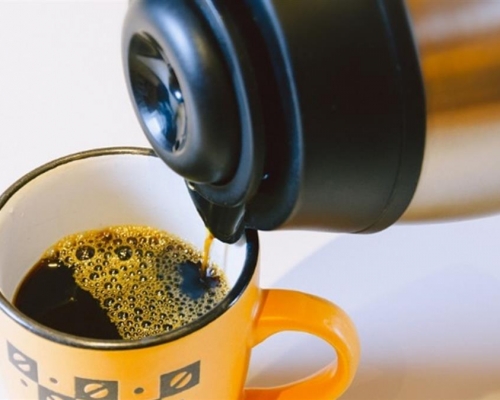
As cooler weather sets in, many people begin carrying thermal flasks filled with warm water or travel mugs for their favorite hot drinks. But staying warm doesn’t mean skipping proper cleaning. Experts remind the public that even warm beverages can leave behind saliva residue, which may encourage bacterial growth if containers aren’t cared for properly.
Here’s a simple guide to help keep your thermos or travel mug clean, fresh and ready for daily use.
Cleaning tips
Clean and dry after each use:
After every drink, give your flask a thorough wash and let it dry completely. This helps prevent stains, odors and mold. Pay special attention to the lid — it often traps grime. Dismantle it, wash each part carefully, and reassemble to keep the container leak-proof.
Eliminate odors with baking soda:
If your thermos smells unpleasant, add a teaspoon of baking soda to hot water and let it soak for 30 minutes to an hour. Rinse well afterward.
Skip the dishwasher:
Unless the manufacturer clearly states otherwise, avoid putting thermal flasks in the dishwasher, as high heat may damage seals or insulation.
Avoid chlorine-based cleaners:
Bleach and chlorine products can corrode stainless steel. Stick to gentle, food-safe cleaners instead.
Use gentle tools only:
Soft sponges, cloths and brushes are best. Avoid scrub pads or steel wool, which may scratch the inner surface and affect hygiene.
Maintenance tips
To keep drinks hotter — or colder — for longer, preheat or pre-cool your thermos. Pour in boiling or ice water first, let it sit briefly, then empty and refill with your beverage.
Aim to fill your drink to about 2 centimeters below the rim. This reduces the chance of spills when closing the lid and prevents prolonged heat exposure to plastic components.
Avoid storing carbonated drinks in insulated flasks. Pressure buildup can cause the lid to burst open, creating an unwanted mess.
Stainless steel containers should never go in the microwave — always reheat your drink separately.
If your mug is used for dairy-based drinks like lattes or milk tea, try to finish them quickly, as milk spoils easily when kept warm for too long.
Finally, check silicone seals and plastic parts regularly. If you notice mold, cracks or hardening, it’s time to replace them to keep your mug safe and functional.