Osteoporosis is not exclusive to the elderly, young people with poor lifestyle habits can also be at risk. Here's how to prevent osteoporosis, and simply consuming calcium-rich foods isn't enough!
Four unhealthy habits contributing to severe osteoporosis:
- Smoking heavily, up to 1-2 packs a day.
- Consuming carbonated drinks up to four bottles a day.
- Frequently staying up until 4 or 5am.
- Rarely participate in any outdoor activities.
Common symptoms of osteoporosis:
- Frequent fatigue, feeling tired after minor work or exercise.
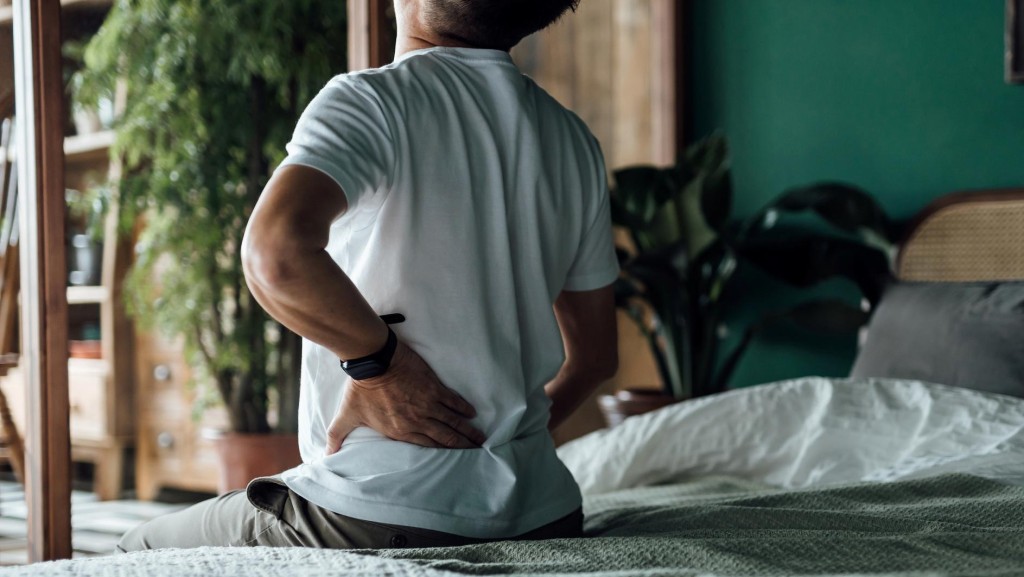
- Pain in various parts of the body, including the back, muscles, and joints.
- Decreased height or developing a hunched back.
- Brittle bones that fracture easily, commonly affecting the thoracic spine, lumbar spine, and ribs.
- Loose or lost teeth.
Six tips to prevent osteoporosis:
Reasons including lack of exercise, smoking, excessive alcohol consumption, inadequate sun exposure, poor diet, malnutrition, and frequent late nights, can be causes of osteoporosis. To prevent osteoporosis, consider these six tips:
- Balanced diet: Ensure daily intake of sufficient calcium and Vitamin D. Adults should consume 800 mg of calcium daily, while those over 50 should aim for 1000 mg. Calcium sources include dairy, soy products, dark leafy greens, nuts, and some seafood. Vitamin D can be obtained through sunlight exposure and certain fish, fish liver oils, and fortified foods.
- Adequate protein intake: Protein helps to absorb and store calcium and adults should consume 60 to 80g of protein everyday.
- Regular exercise: Exercise promotes calcium absorption and utilization and strengthens bones. Suitable outdoor activities including walking, jogging, tai chi, Baduanjin, and swimming are recommended to do 30 minutes everyday to prevent and improve osteoporosis.
- Moderate sun exposure: Sunlight helps synthesize Vitamin D naturally. Spending 15 to 20 minutes in the sun everyday and avoid exposure through glass or clothing and remember sunscreen application.
- Avoid harmful habits: Quit smoking and limit alcohol consumption. Minimize caffeine and carbonated drink intake, as these can affect calcium absorption and bone health.
- Avoid staying up late: Regular sleep patterns support a healthy endocrine system, benefiting bone health.
Nine risk factors for osteoporosis: does pain often mean a fracture?
According to the Department of Health, osteoporosis is a chronic bone metabolism disorder characterized by decreased bone density, leading to fragile bones prone to fractures. Bone size, shape, and structural density change with age. At around the age of 40, bone loss becomes noticeable, and for post-menopausal women, decreased estrogen can accelerate bone loss. When bone loss outpaces normal rates, the risk of early osteoporosis and fractures increases.
Osteoporosis itself has no obvious symptoms. Pain usually indicates a fracture. Patients may suffer fractures from minor bumps or falls, commonly in the hip, spine, and forearm. Even without trauma, vertebrae can gradually collapse, causing a hunched back and reduced height, with some patients experiencing back pain.
High-risk groups for osteoporosis:
- Elderly
- Women
- Asians and Caucasians
- Underweight individuals or those with small frames
- Those with a family history of osteoporosis or fractures
- Unhealthy lifestyle habits, such as insufficient calcium intake, common in women with picky eating or dieting habits, smoking, excessive alcohol consumption, high caffeine intake, excessive sodium (salt) consumption, lack of exercise
- Medical conditions, such as estrogen deficiency in women, including early menopause before age 40, premature menopause between ages 40 to 45, or post-ovary removal surgery
- Endocrine disorders such as hyperthyroidism, chronic illness patients, those with Vitamin D deficiency, or individuals who have undergone intestinal surgery
- Medication use: long-term use of steroids or medications will affect bone metabolism
Sources: Department of Health