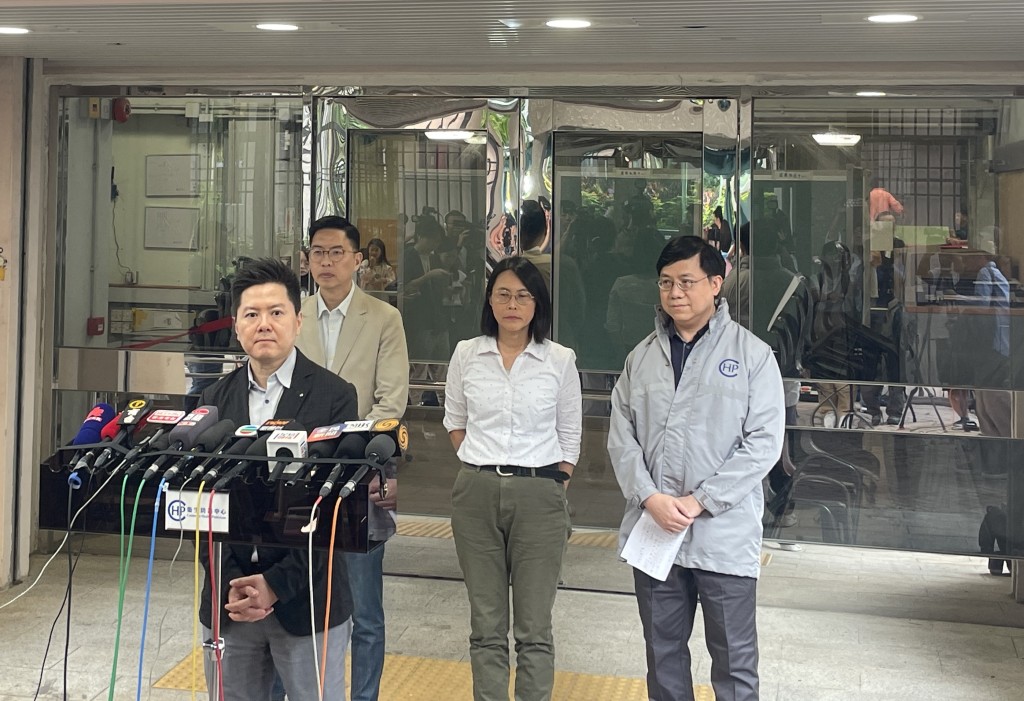
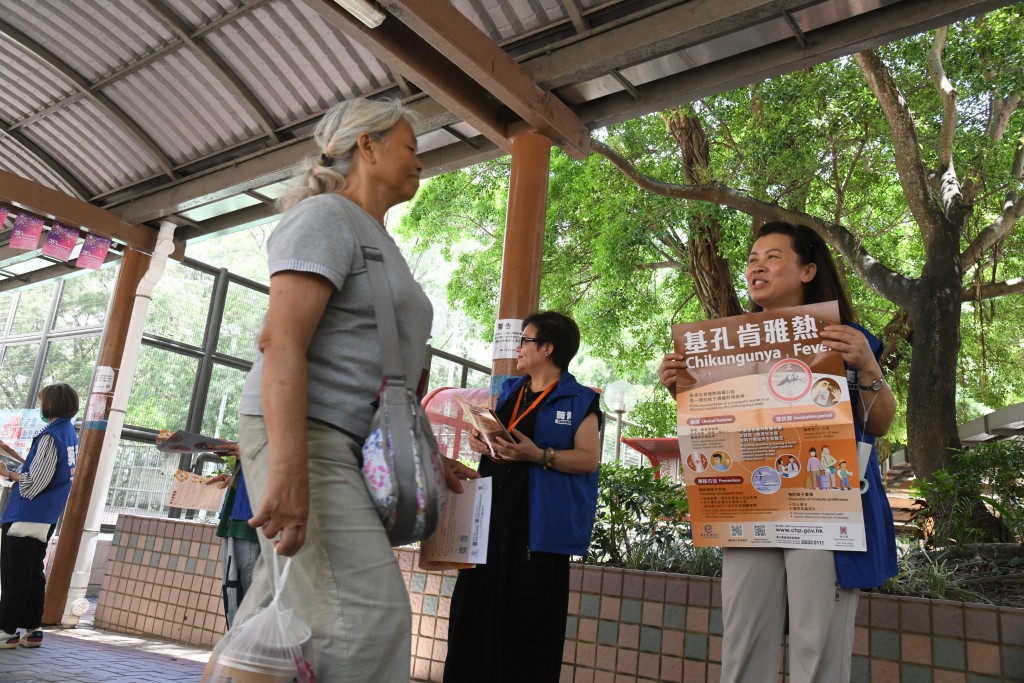
As the city is on high alert after the confirmation of the first local case of chikungunya fever in an 82-year-old Diamond Hill resident, here is a vital guide to recognizing its symptoms and prevention strategies for chikungunya fever.
Chikungunya, derived from a word in the Kimakonde language meaning "to become contorted," describes the stooped posture of sufferers.
The disease is characterized by sudden fever and severe and debilitating joint pain, along with other common symptoms including muscle pain, headache, nausea, fatigue, and rashes.
While symptoms are generally self-limiting and last for several days, some individuals may suffer from joint pain that can persist for months or even years.
Although severe complications are rare, the virus can potentially affect the eyes, heart, and nervous system.
The disease poses the highest risk to infants, the elderly over 65, pregnant women, and those with chronic conditions, despite a mortality rate of below 0.1 percent.
Transmission and treatment
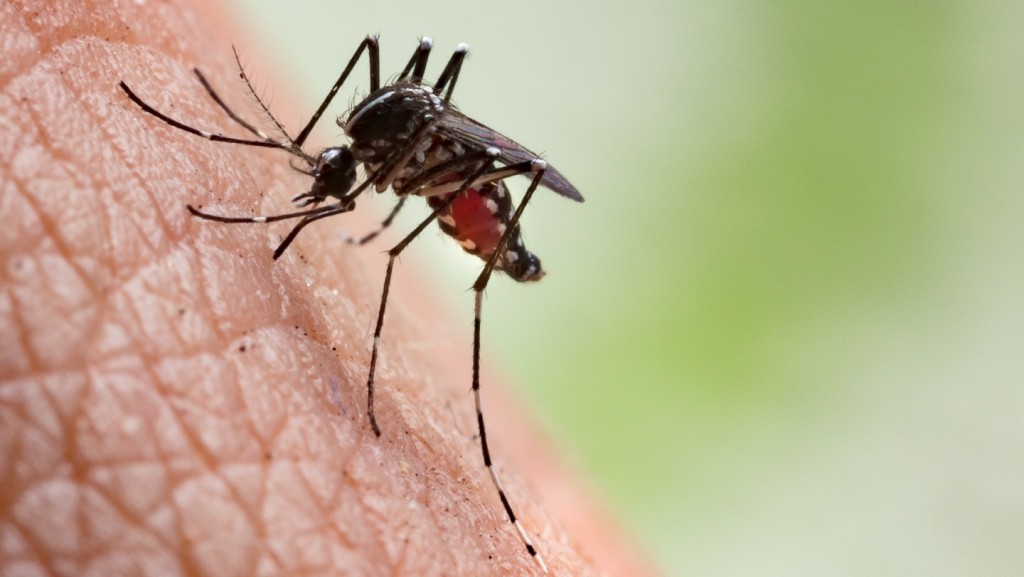
Transmitted primarily through the bite of infected female Aedes mosquitoes—which are most active during daytime, especially at dawn and dusk—the virus has an incubation period of 3 to 8 days.
There is currently no specific antiviral treatment exists for chikungunya fever, making care primarily relieving symptoms through anti-pyretics, analgesics and replacement of fluids.
However, a key silver lining is that recovery from infection provides immunity.
Prevention strategies
With no locally registered vaccine available, the best defense against chikungunya fever is to avoid mosquito bites and eliminate breeding grounds.
To minimize exposure, health authorities recommend wearing loose, light-colored long-sleeved clothing and applying insect repellent containing DEET to exposed skin and clothing.
Pregnant women should use DEET up to 30 percent, while children should use a maximum concentration of 10 percent. For infants over two months traveling to affected areas, a concentration of up to 30 percent is advised.
Citizens are encouraged to read the product labels carefully and apply the repellent before entering areas where mosquitoes may be present.
Before engaging in outdoor activities, individuals should also avoid using fragrant cosmetics or skincare products and reapply insect repellent according to the instructions. It is also recommended to apply insect repellent before sunscreen.
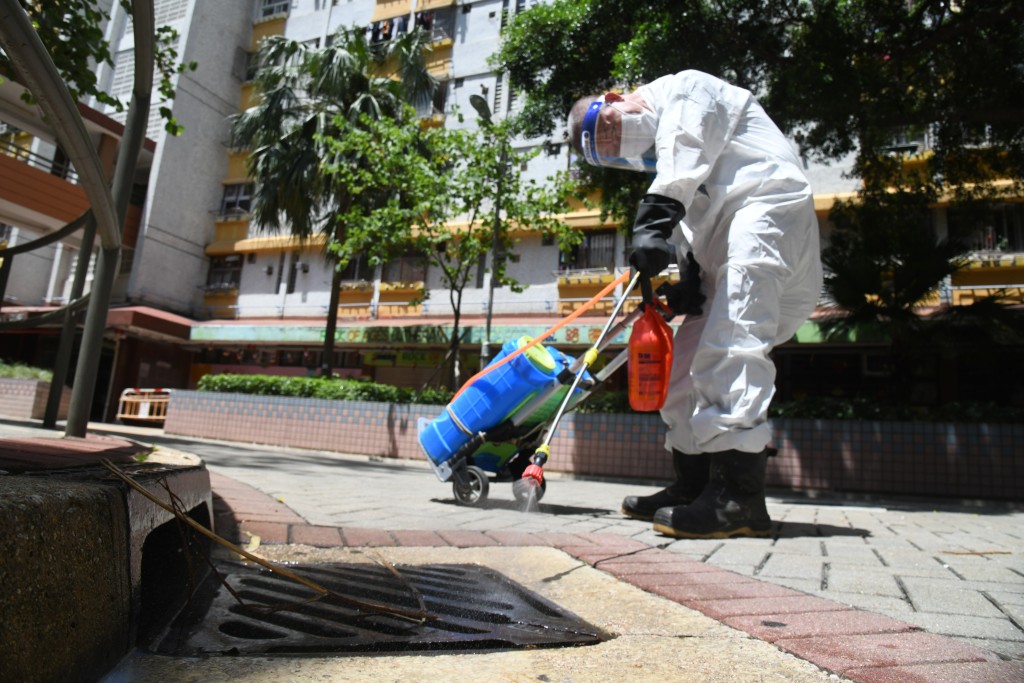
To prevent the development of mosquito breeding sites, residents are urged to eliminate stagnant water accumulation by changing vase water weekly, removing saucers from flower pots, covering water containers, ensuring air conditioner drip trays remain dry, and properly storing food and disposing of garbage.