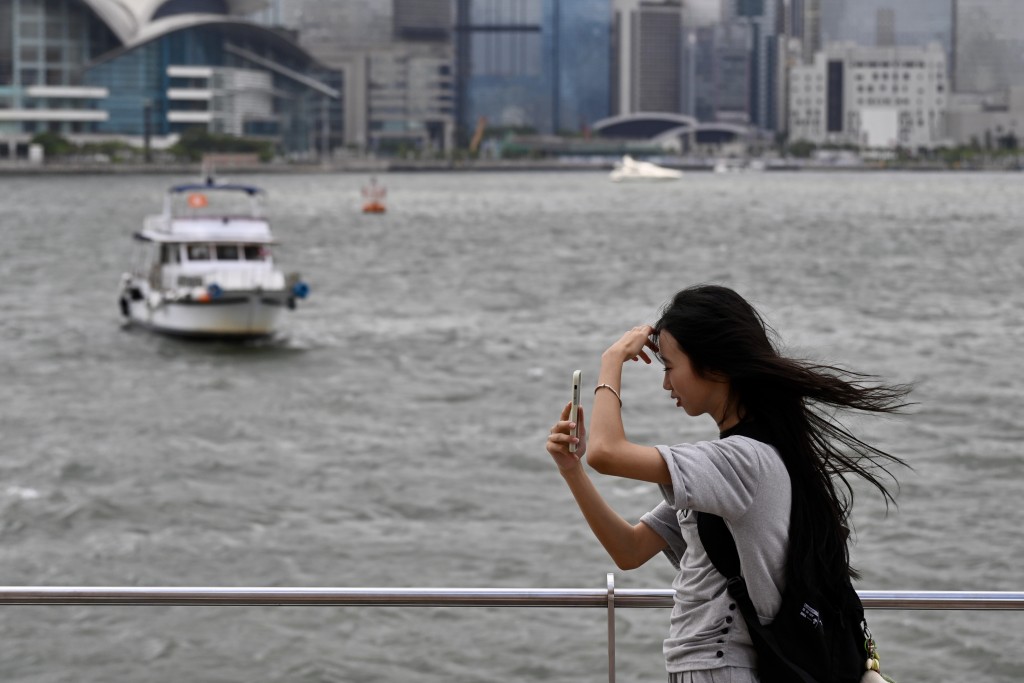
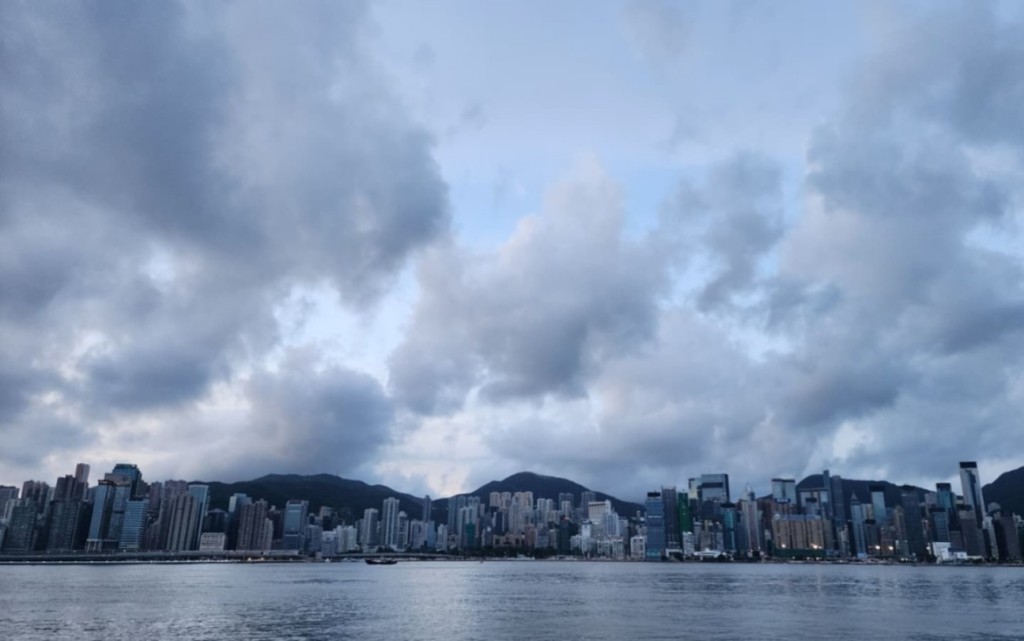
In the span of eight days, Hong Kong has issued four black, eight red and 13 amber rainstorm signals over severe storms battering the city, with an 11-hour “black” alert the second longest on record.
Now, as the city recovers from yesterday’s deluge, questions are being asked if our drainage has what it takes to protect us from storms and typhoons that are getting stronger by the day amid global warming.
Hong Kong’s steep hills, dense urban areas and proximity to the sea makes the city prone to floods. And despite significant investments in drainage infrastructure and the lessons learned from September 2023’s record-breaking “once-in-500-years” rainstorm, yesterday’s unprecedented downpour shows we remain vulnerable to floods.
The Drainage Services Department has made substantial progress in flood prevention and state-of-the-art stormwater systems have significantly reduced flooding in many areas.
Key features of the drainage system
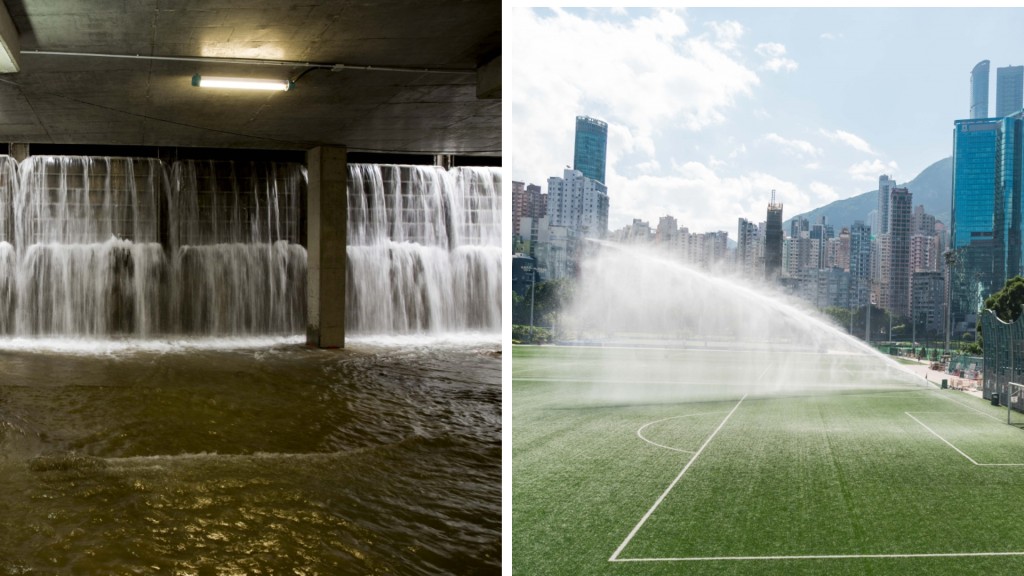
There are large tunnels beneath Hong Kong Island and Kowloon to divert rainwater to the sea and facilities like the Happy Valley underground storage tank can hold excess rainwater.
There are modern pumping stations in flood-prone areas like Tai Po and Mong Kok to manage large volumes of water.
The Anderson Road Quarry site includes Hong Kong’s first flood retention lake while reservoirs in Kowloon and the New Territories, such as Sheung Mun, optimize water storage.
There are sensors to track water levels while rapid-response teams clear blockages during storms.
But there’s no doubt that the drainage system struggles to cope with extreme weather.
Older districts, including Sham Shui Po and Kwun Tong, continue to rely on outdated drainage systems while coastal neighborhoods like Tai O and Chai Wan remain vulnerable to flash floods, worsened by rising sea levels.
Today, we need to consider the challenges posed by climate change as historical flood models are outdated and strong storms occur more frequently, overwhelming infrastructure.
Future-proofing our drainage
Hong Kong should take inspiration from Tokyo’s Metropolitan Area Outer Underground Discharge Channel which includes massive water storage silos, tunnels and pumps capable of handling “500-year floods.”
While replicating this on the same scale may not be feasible, similar principles such as underground reservoirs and mega-tunnels could enhance resilience.
The sponge city principle should be expanded, learning from Singapore and Copenhagen.
We need more permeable pavements that allow water to seep into the ground, green roofs to capture rainwater and reduce urban heat, and rain gardens and wetlands to store rainwater while enhancing biodiversity. These are particularly relevant in densely populated areas where traditional upgrades are impractical.
We also need to invest in smart drainage systems and use AI-driven flood prediction models and automated systems to optimize water flow and minimize damage.
And we must boost public awareness and engagement about flooding and implement stricter penalties for littering. The next “black rain” event could strike at any time. Without bold action, things will only get worse.