Once pillars of the city’s economy, Hong Kong’s retail and catering sectors are facing mounting challenges.
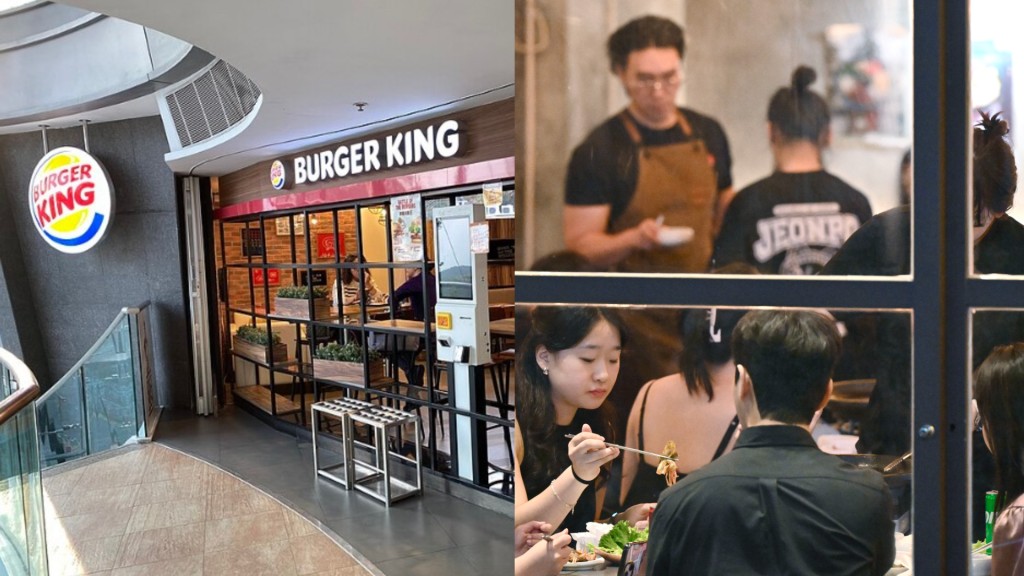
The closure of Burger King’s last urban branch at The Peak is the latest example of how businesses are struggling amid high operating costs and weak consumer spending.
To address this, Hong Kong must adopt a dual approach of immediate stimulus and long-term reforms. The consumer loan subsidy initiative in the mainland provides a valuable example.
Interest subsidies for consumer loans
China’s plan to subsidize 1 percent of consumer loan interest – of up to 3,000 yuan (HK$3,280) annually – for purchases in key sectors such as education, cultural tourism and automobiles is expected to generate significant spending. For every 1 yuan in subsidies, 100 yuan in consumption is predicted. This is in addition to the ‘trade-in’ program.
Hong Kong must explore similar measures, partnering with the commercial sector to revitalize its retail and catering industries.
Direct consumer incentives are a proven method to boost spending. Tiered discounts, such as 10 percent cashback for receipts over HK$300 at small and medium-sized businesses could encourage more spending. To aid nighttime economies in areas like Temple Street and Lan Kwai Fong, nighttime vouchers could drive foot traffic during off-peak hours.
Incentives for tourists
Tourism, once responsible for over a third of retail sales, remains critical. Hong Kong could launch a “Shopping & Dining Pass,” bundling discounts on transportation, attractions and partner stores, to attract big-spending tourists. VIP shopping experiences at luxury malls and Michelin-star food festivals should be promoted to appeal to travelers and showcase Hong Kong’s world-class dining culture.
Helping hand with tax breaks, fee waivers
Addressing business costs is equally important, with high rents and utility fees squeezing margins for many retailers and restaurants.
Temporary tax breaks for landlords who reduce rents for F&B and retail tenants could provide immediate relief. Waiving liquor license fees and encouraging power firms to offer subsidies for restaurants would further ease financial pressures.
Digital transformation is essential for the survival of these industries. Restaurants should partner with food delivery platforms to expand their reach.
Training programs could help small businesses embrace livestream sales and join virtual “hawker streets” platforms. Social media campaigns featuring influencers could promote hidden-gem eateries and shops, boosting lesser-known businesses and enhancing Hong Kong’s reputation as a shopping and dining destination.
Long-term sustainability also requires structural changes. Revitalizing aging street markets like those in Sham Shui Po and Mong Kok with better infrastructure would attract both locals and tourists.
Workforce training in service quality and digital skills is crucial for competitiveness. Supporting niche concepts such as eco-friendly retail and heritage-themed dining could diversify Hong Kong’s offerings and cater to modern preferences.
A comprehensive strategy – including consumer incentives, tourism boosts, cost relief and digital transformation – combined with long-term investments in infrastructure and training, can restore Hong Kong’s status as Asia’s premier shopping and dining destination.