Hong Kong has long been a global financial hub, attracting businesses, investors, and skilled professionals worldwide.
However, concerns about the city’s ability to retain high-net-worth individuals and talent have grown in recent years.
The Real Estate Developers Association has proposed measures to reinvigorate the property market and address these challenges – proposals that the government should seriously consider.
Boosting investment immigration
REDA recommends relaxing investment immigration rules for property purchases. Currently, under the Capital Investment Entrant Scheme, only HK$10 million of a property’s value (for homes priced at HK$50 million or above) counts toward the required HK$30 million investment threshold.
REDA suggests doubling this cap to HK$20 million, making Hong Kong more appealing to affluent individuals seeking residency.
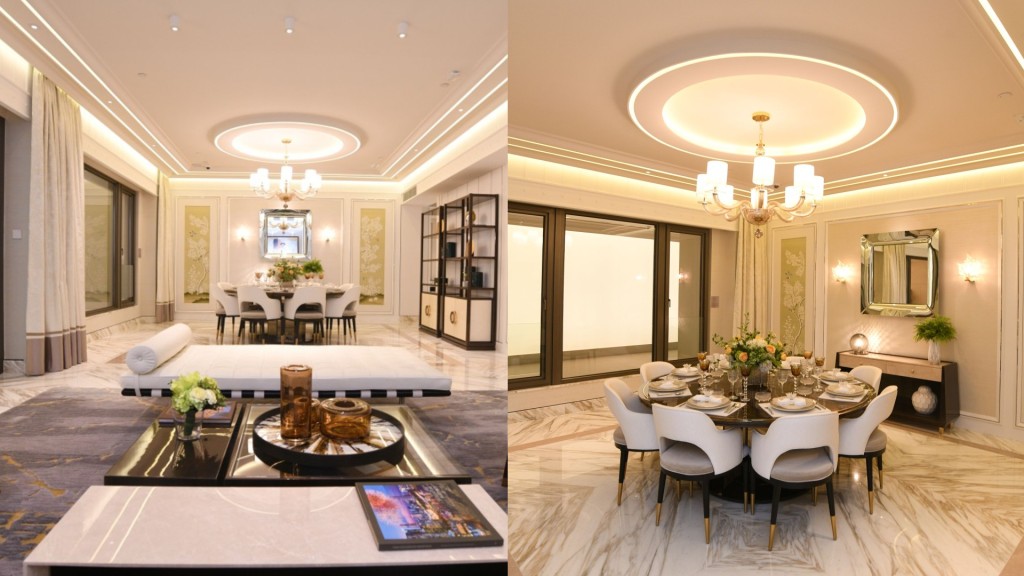
This adjustment is logical. Ultra-luxury properties above HK$50 million serve a niche market and do not compete with housing for ordinary citizens.
Encouraging wealthy investors to settle in Hong Kong can generate long-term economic benefits through further investments, business expansions, and job creation.
Critics, such as Chinese People’s Political Consultative Conference Vice-Chairman Leung Chun-ying, argue that many talent schemes allow individuals to obtain a Hong Kong ID card and then leave.
However, incentivizing high-net-worth buyers to purchase property can encourage them to establish roots in the city. Hong Kong already attracts mainland tycoons and international celebrities and relaxing property rules could encourage them to stay and contribute to the broader economy.
Stimulating the mid-tier market
Another practical proposal involves expanding the HK$100 nominal stamp duty to properties valued up to HK$6 million, up from the current HK$4 million threshold.
With property prices down over 20 percent from their 2021 peak, this measure is unlikely to overheat demand. Instead, it would provide much-needed support for mid-range homebuyers, including young families and middle-class professionals.
As interest rates are expected to decline, now is the ideal time to ease property curbs. A gradual recovery would rebuild confidence among homeowners, who have endured years of declining property values. The goal should be steady price growth, not speculation, ensuring stability while enabling more locals and expatriates to achieve homeownership.
Some may worry that relaxing property rules could reignite speculative bubbles. However, given the current economic climate, the risk of a runaway market is low.
These measures would instead stimulate organic demand while positioning Hong Kong as a more attractive destination for global talent and capital.
The government must act decisively. Refining investment immigration rules and adjusting stamp duties can reinvigorate Hong Kong’s property sector, support economic recovery, and enhance the city’s competitiveness.
A thriving real estate market, when managed prudently, contributes to broader prosperity – creating jobs, boosting consumption and fostering stability.