The firing of a key US labor statistics official, a Fed governor’s resignation, and Warren Buffett’s US$3 billion (HK$23.4 billion) stock sell-off raises an alarming question: Can investors still trust America’s economic data?
Recent events in the United States – the world’s largest economy – have sparked fears over the integrity of its economic reports, the Federal Reserve Board’s independence, and the rule of law.
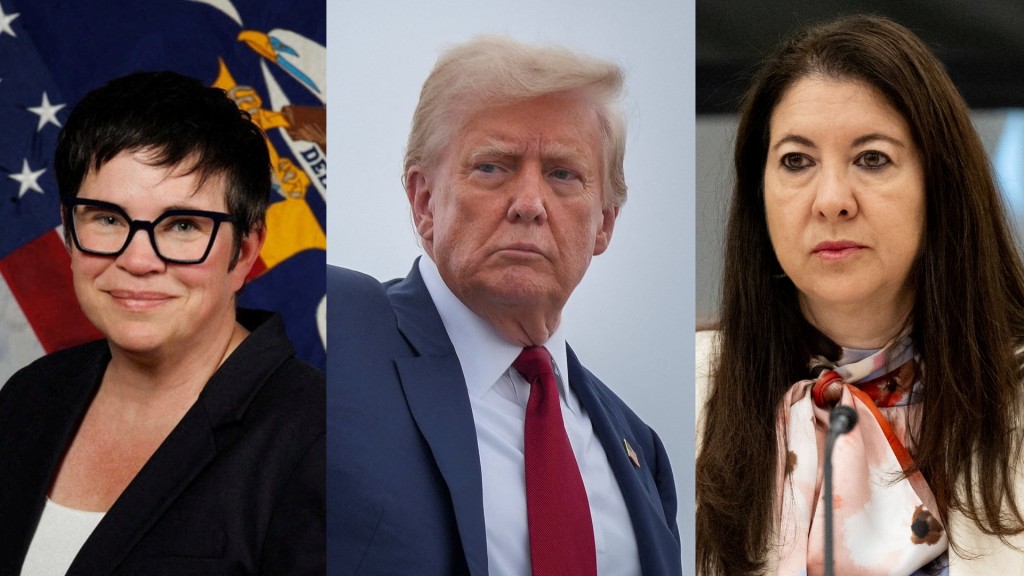
The abrupt firing of Bureau of Labor Statistics commissioner Erika McEntarfer by US President Donald Trump, following a disappointing jobs report, suggests political interference in economic data.
The July jobs report showed only 73,000 new jobs, far below forecasts, while revisions slashed 250,000 previously reported jobs – the worst adjustment since 1979, outside the Covid era.
The timing of McEntarfer’s dismissal raises concerns: Is the Trump administration silencing unfavorable facts?
Fed independence at risk
On the same day, Federal Reserve governor Adriana Kugler resigned, giving Trump another opportunity to install a loyalist ahead of the next Fed chair selection.
The Fed’s autonomy is critical for economic stability, yet Trump’s moves suggest an effort to control monetary policy for political gain.
If the White House can manipulate jobs data and influence the Fed, investors worldwide may soon question whether US economic reports reflect reality or political agendas.
Even before these events, Warren Buffett’s Berkshire Hathaway sold a net US$3 billion in stocks – a clear sign of declining market confidence.
With new tariffs ranging from 15 percent to 40 percent hitting US trading partners around the world from Thursday, stocks have slumped pre-emptively, signaling that Trump’s trade wars could backfire, hurting America first.
Pattern of authoritarian tactics?
The investigation into former special counsel Jack Smith, who led probes against Trump, further suggests a crackdown on accountability.
Combined with the firing of McEntarfer and the Fed shake-up, this paints a troubling picture: suppressing dissent, controlling narratives, and consolidating power.
Why this matters for global investors
The US dollar and stock markets are pillars of the global economy. If economic data becomes unreliable and institutions lose independence, foreign investors may pull back, triggering market instability.
The firing of McEntarfer, Kugler’s resignation, and Buffett’s sell-off are not isolated – they signal a broader erosion of trust.
If economic reports and the Fed become politicized, the worst may be yet to come.
Without immediate action to restore trust and integrity, the US risks long-term damage to its reputation and stability.
The world is watching, and the stakes could not be higher.
For global stability, the United States must reaffirm its commitment to transparency, accountability, and independence.