As Hong Kong solidifies its global status, fostering connoisseurship, the refined ability to appreciate art, has become vital. Exposure cultivates taste, deepens cultural roots and enriches society.
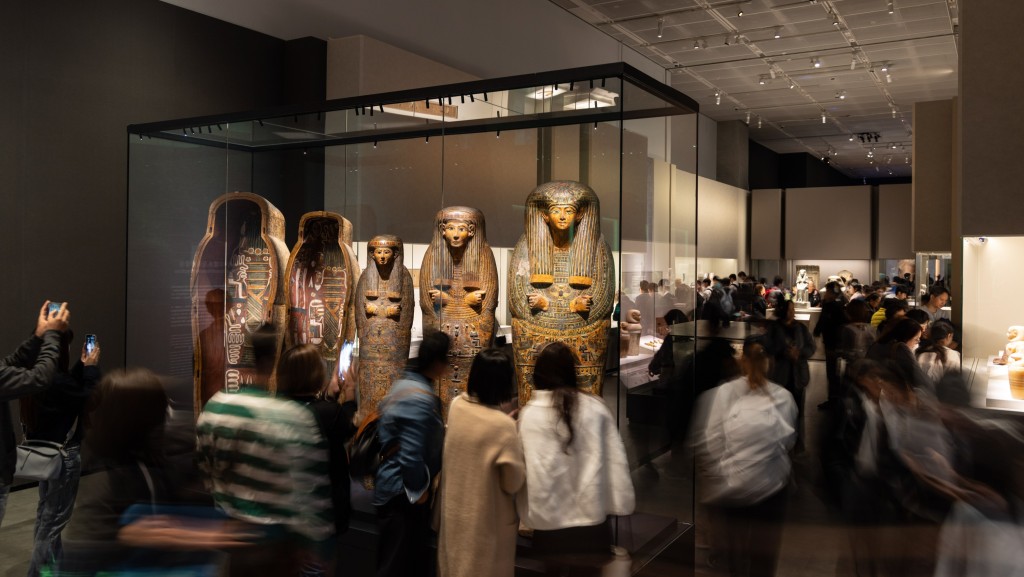
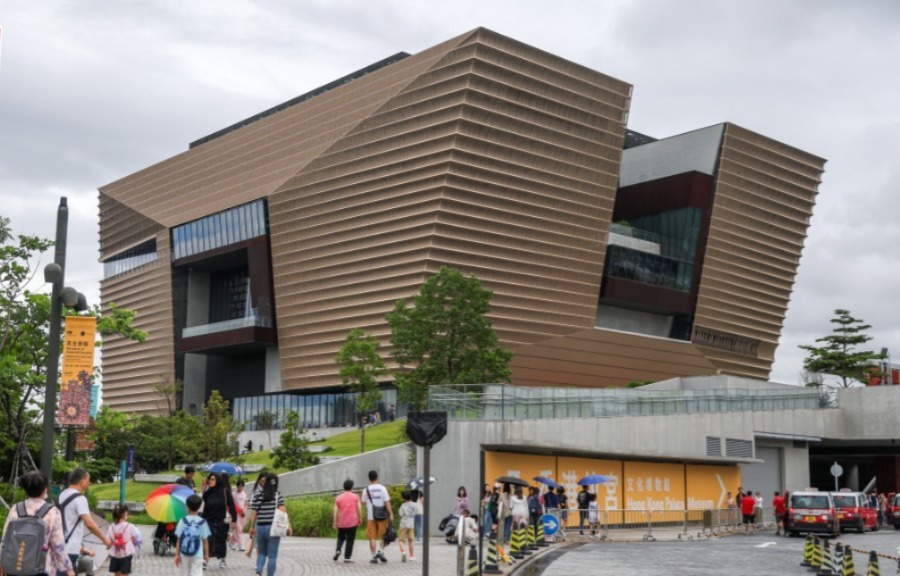
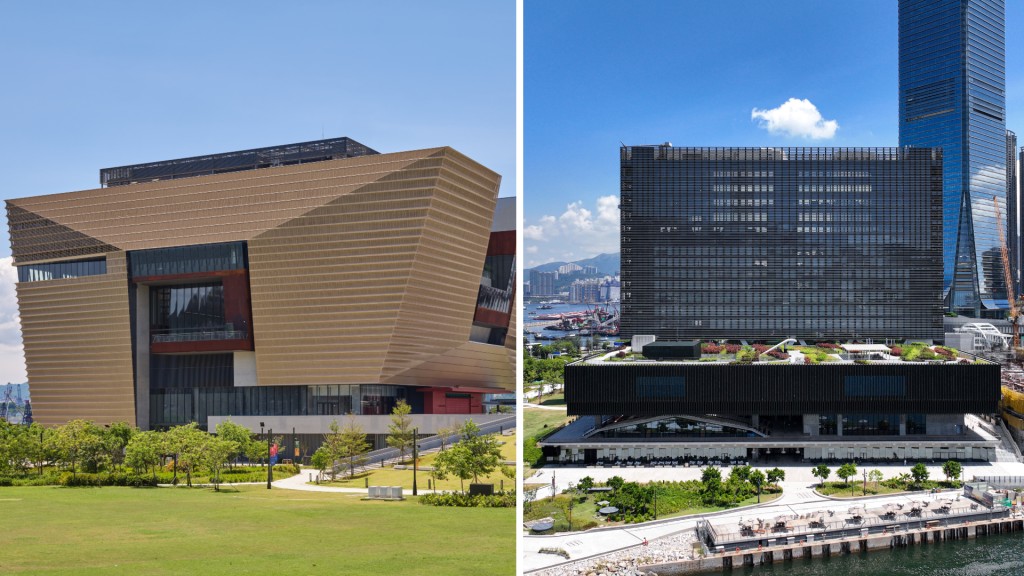
While Hong Kong boasts world-class institutions like M+ and the Hong Kong Palace Museum, private collections remain largely inaccessible, unlike in Tokyo or Shanghai. Encouraging collectors to share treasures – as with the Mengdixuan and Min Chiu Society – could accelerate cultural growth.
Art as a historical lens
Art is more than aesthetics; it’s a lens into history, philosophy and cross-cultural exchange.
For instance, the Zen-inspired works of Lui Shou-kwan, a pioneer of Hong Kong’s New Ink Art Movement, blends Chan Buddhism and Daoism.
Among masters from both east and west, there’s Wang Wei, who was a painter, poet, musician and politician of the Tang dynasty, Shi Tao, a monk painter of the Ming dynasty, and American abstract expressionist Jackson Pollock, whose art, like that of many greats, acts as a palimpsest, layering past and present influences to create timeless pieces.
Similarly, Renaissance art revived Greco-Roman traditions, while Mughal art fused Persian and Islamic styles (an upcoming Hong Kong Palace Museum exhibition will highlight this synthesis).
As Secretary for Culture, Sports and Tourism Rosanna Law Shuk-pui puts it: “Exposure breeds appreciation.”
Great artists often embody moral and historical significance. Gao Jianfu used his brush to advocate for social change during World War II, while Wu Guanzhong, one of China’s most revered modern painters, exemplified artistic integrity amid hardship.
The Hong Kong Museum of Art boasts one of the world’s finest Wu collections, and lessons about his work in local schools are a promising step toward nurturing future connoisseurs.
With world-class museums and galleries, international art auctions, and major exhibitions, Hong Kong’s cultural scene is more vibrant than ever. The city’s emergence as an art market rivaling New York and London underscores its potential.
Yet, true connoisseurship requires more than infrastructure. It demands education, accessibility, and collaboration between public and private sectors.
To elevate Hong Kong’s cultural standing, we must:
- Increase public access to private collections, encouraging collectors to open exhibitions;
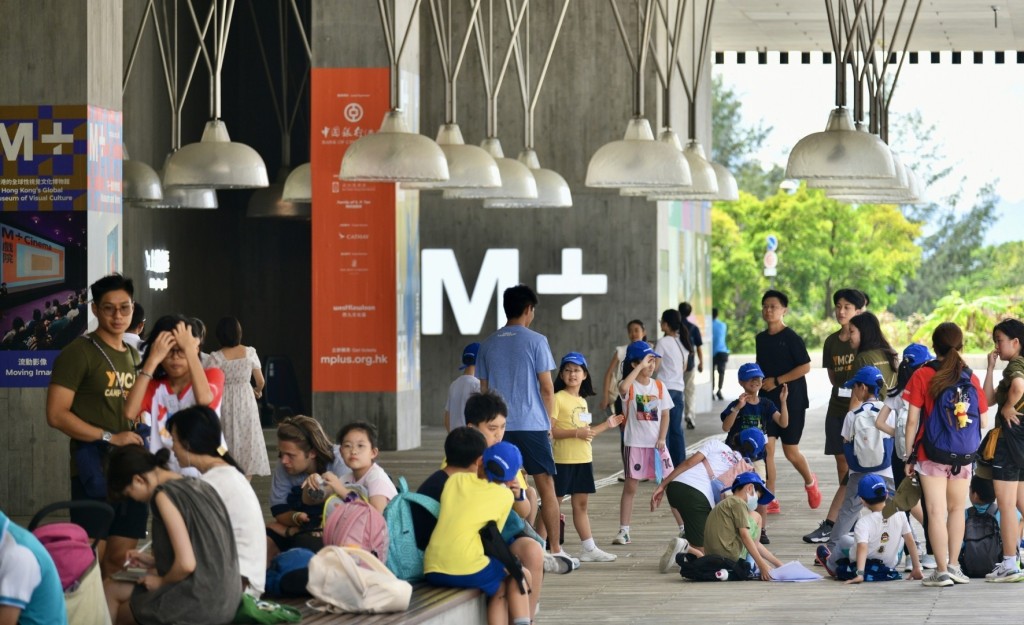
- Integrate art education into schools , expanding programs like studying Wu Guanzhong’s works;
- Promote cross-cultural exhibitions highlighting global influences on Hong Kong art; and
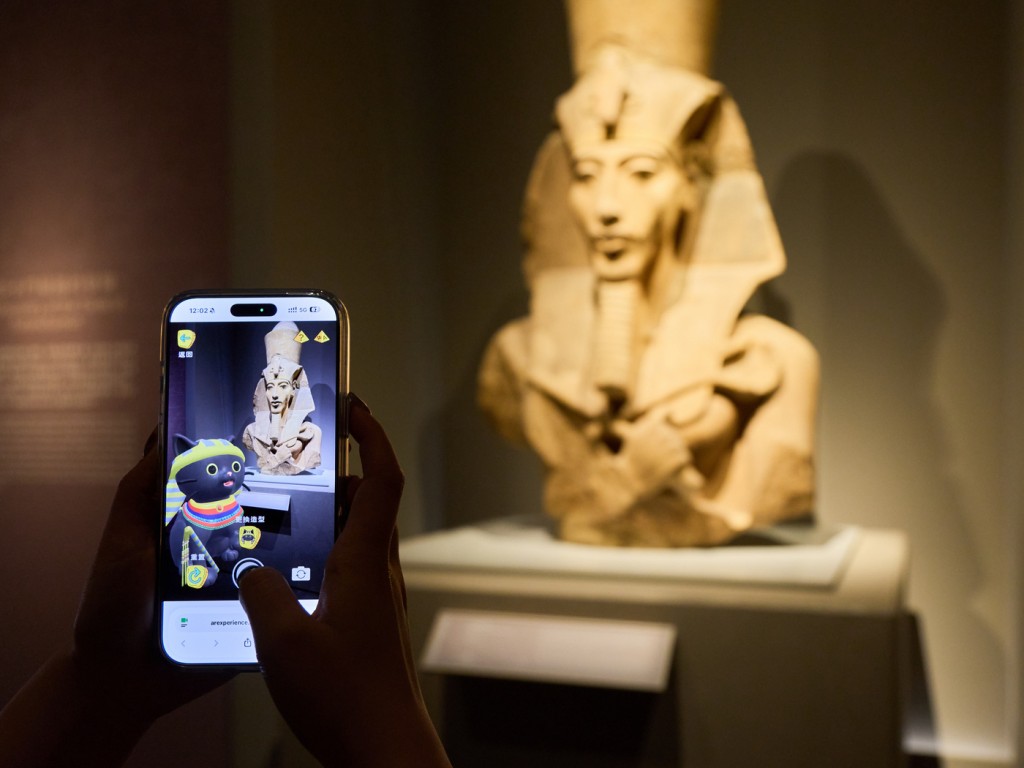
- Leverage digital platforms – virtual galleries can democratize art appreciation.
By valuing art as legacy, Hong Kong can evolve from financial hub to global cultural capital – where art is not just seen, but profoundly understood.