Amid economic uncertainty, Hong Kong’s higher education sector is thriving, proving itself as a resilient and forward-looking industry. Not only does it continue to attract students and scholars from mainland China and overseas, but it has also become an influential buyer in the city’s lackluster commercial property market. With initiatives like "Study in Hong Kong," the sector is poised for further growth—provided it continues to innovate, conduct groundbreaking research, and align education with market demands.
Higher Education Boosting Property Investments
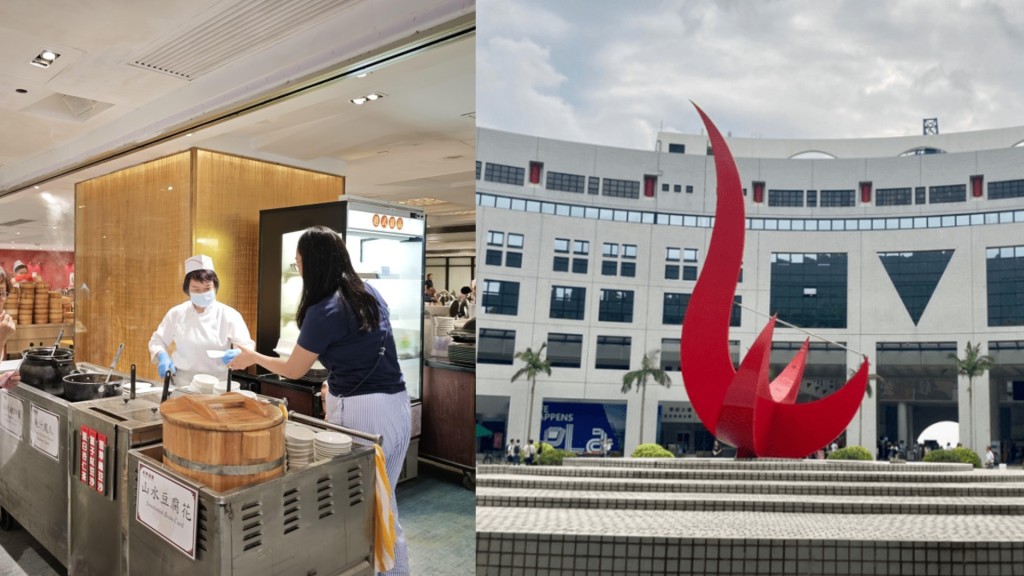
Recent property acquisitions by universities illustrate the growing influence of higher education in Hong Kong’s real estate market. For example, the University of Science and Technology recently purchased the 31,410-square-foot Metropole Restaurant premises in Admiralty for HK$354 million.
This translates to HK$11,270 per square foot—a bargain compared to the area’s average commercial price of HK$20,000 per square foot.
The Metropole site will be transformed into classrooms for HKUST’s Executive MBA program, which charges over a million in school fees—generating far greater value than the dim sum business it replaces.
This acquisition is part of a larger trend. Last year, Hong Kong Metropolitan University made two major property purchases. It acquired a 255-room hotel in Hung Hom for HK$128 million to provide student accommodation and invested HK$2.6 billion in One HarbourGate East Tower, a premium office building in the same district. These moves highlight how universities are capitalizing on the slowdown in the property market to secure prime assets for academic use.
Rising Demand for Space
The demand for urban property by universities is likely to grow as Hong Kong continues to attract mainland and overseas students as well as continuous education need of the locals. Currently, Hong Kong hosts around 100,000 mainland students, drawn to the city by its proximity to China and its improving global academic reputation.
Accessible urban spaces for classrooms, especially for evening classes and activities, are critical for universities to meet the needs of these students. The current soft property market offers universities the opportunity to secure prime real estate at relatively low prices, which could also serve as valuable long-term investments.
Hong Kong’s Academic Excellence
Hong Kong’s universities are gaining global recognition, with five of the city’s 10 institutions ranked in the top 100 of the QS World University Rankings for the first time. This achievement underscores the city’s academic strength despite past concerns about academic freedom and the departure of some scholars.
The improving performance of local universities reflects their commitment to maintaining high standards of education and research, further bolstering their appeal to students and scholars worldwide.
Additionally, economic uncertainty often drives people to pursue further education. Those affected by layoffs or job insecurity are increasingly turning to higher education to upskill and prepare for the future. This trend further supports the sector’s growth.
Financial Strength of Local Universities
Despite a looming 2 percent funding cut (equivalent to HK$2.8 billion) over the next three years, Hong Kong’s publicly funded universities remain financially robust. In fact, they recently returned HK$4 billion to the government from their surplus "General and Development Reserve Funds," demonstrating strong fiscal discipline.
This financial stability positions universities to continue expanding and investing in academic programs and property, ensuring their long-term growth.
The Future of Higher Education in Hong Kong
To sustain this momentum, Hong Kong’s universities must remain innovative and relevant. Programs must align with market trends and equip students with the skills needed for a rapidly changing global economy. Universities should also avoid isolating themselves in academic "ivory towers" and instead engage with real-world challenges through impactful research and education.
With a growing student population, improving global rankings, and strategic investments in property, higher education is not only a pillar of Hong Kong’s economy but also a key driver of its recovery and growth. The sector’s ability to capitalize on opportunities in both academia and real estate will determine its success in shaping Hong Kong’s future.
By continuing to attract international talent, maintaining academic excellence, and expanding its property portfolio, Hong Kong’s higher education sector can cement its role as a global leader in education and innovation.