Renmin University of China revoked the master’s degree of well-known Chinese writer Jiang Fangzhou on Monday (Jul 13), concluding that her 2019 graduation thesis constituted academic misconduct.
The decision marked a dramatic reversal from the university’s initial finding just eight days earlier, which had stopped short of declaring serious wrongdoing.
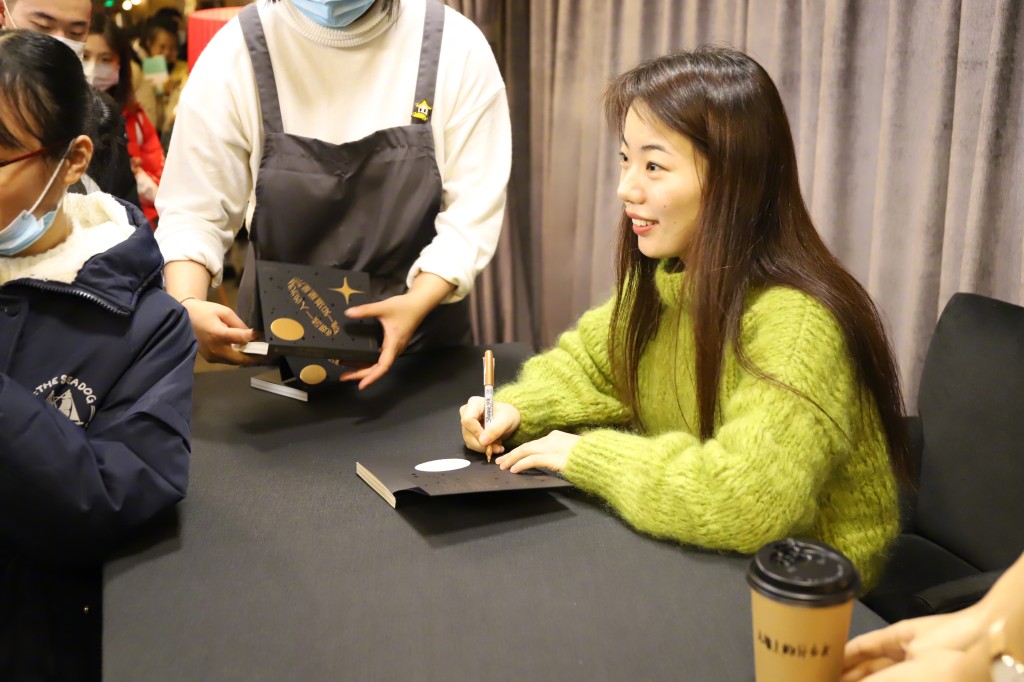
Jiang, 36, has long been recognised as a literary prodigy. She published her first essay collection at the age of nine and was admitted to Tsinghua University in 2008 after receiving a 60-point preferential admission bonus under the university's independent recruitment programme.
The case began in August 2025, when Xiao Ying, a professor at Tsinghua University openly accused Jiang of academic dishonesty in her master’s thesis. Xiao later posted detailed evidence on social media on July 3, 2026, claiming that all 20 footnotes in Jiang’s thesis did not follow the academic requirement, and 16 of them were fabricated as they did not align with the references.
Renmin University formally launched an investigation in April 2026, after its School of Liberal Arts received a complaint letter from Xiao. On July 5, the university issued its first statement: Jiang’s thesis is “non-compliant with academic guidelines”, including incorrect source attributions, misspelled authors’ names, incorrect publication dates and improper labeling of indirect citations as direct quotations, but the findings did not constitute academic misconduct.
The university suspended Jiang’s supervisor from graduate admissions for one year and ordered the School of Liberal Arts to undertake corrective measures.
Just eight days after the initial finding, Renmin University issued a second statement on July 13, saying Jiang's master’s thesis contained nine instances of textual overlap with an overseas journal article, and the relevant content does not indicate a citation or reference list, which constitutes academic misconduct. The university thus decided to revoke Jiang’s master’s degree.
“I accept Renmin University’s handling of this matter. I apologize to readers who have been disturbed and disappointed by this incident,” Jiang wrote on her social media account. “I also offer my sincere apologies to my supervisor for the disciplinary action he has received as a result of this matter.”
Renmin University said it would use the case as a lesson to further strengthen academic integrity and improve thesis quality management.