From a few hundred yuan for photos to five-figure portrait rights, the surge in mainland AI dramas has fuelled a booming facial data market but also driven thousands of actors out of work.
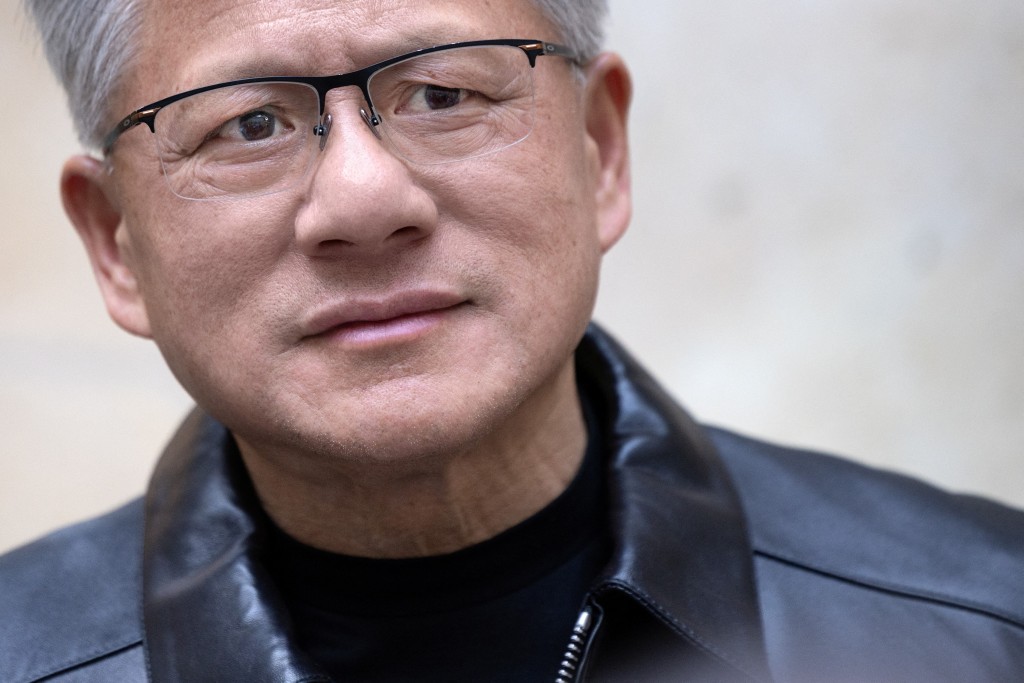
The debate about acting in the future era was sparked recently as Hong Kong veteran actor Lawrence Ng Kai-wah became the city's latest actor to cash in on the "face-buying" trend.
The 62-year-old revealed he had licensed his younger likeness for an AI production and was pleased with the outcome, stressing that AI-generated performances and live-action acting can coexist.
However, behind his optimism lies a harsh reality as the AI technology has reshaped the acting profession in the mainland, especially for supporting actors.
According to mainland short-drama actor Wu Weibin, Ng’s case was only part of the ice-berg given the portrait rights deals have been circulating in the industry for a while.
Wu said deals priced between 500 and 1,500 yuan are common in actor recruitment groups, with some crews now requiring actors to sign them over as a mandatory casting condition.
Beyond professional actors, varied facial data is also in high demand, with "face material recruitment" ads emerging on social platforms such as Douyin and Xiaohongshu.
With offers as low as 100 yuan and a process that takes under 10 minutes, ordinary citizens can easily cash in on the facial data boom.
As digital faces flood the screen, real actors are being pushed off it. Well-known Chinese actor Dong Zijian recently admitted having no upcoming projects as he was presented with an award at a Weibo Night event in June.
Dong’s urgent call is not alone, another mainland actor Liu Yuan also openly sought job opportunities from directors, with sources revealing he has gone 140 days without a single offer.
The topic soon trended on Weibo, with over a dozen media outlets picking up the growing list of stars struggling to find roles.
Among lesser-known actors struggling in grimmer situations is 28-year-old Zhang Xiaolei from Qinghai, who went from earning 20,000 to 30,000 yuan a month in 2024 to returning to his hometown to farm after the AI boom slashed live-action shoots.
Echoing similar struggles, actress Yu Shutian said lowball offers are now common, with production houses often countering four-figure quotes with three-figure offers. She added that some peers would rather quit than accept such low pay, noting that mounting job losses among actors are no longer news.
AI is also reshaping production economics, with short-dramas costing 70 to 80 percent less and taking under two weeks compared to two months for live-action, said Xiong Binghui, CEO of Kemeng Intelligence (Beijing) Technology.
According to a recently published white paper on China's audiovisual market, over 95 percent of the 128,000 micro-dramas released in the first quarter of this year were either generated or deeply produced with AI.
Notably, the number of live-action short-drama shoots plunged 67 percent year-on-year. At Hengdian World Studios, background actor bookings dropped 37 percent, along with an average 40 percent drop in fees for lesser-known actors.
While AI-generated content is likely to pose a growing challenge to lesser-known actors and newcomers, economist Song Qinghui believed actors still have their place for complex emotions and improvisation.
He attributed the growing unemployment to a more fundamental issue–the contraction of the film and television industry. Drawing on the fact that first-quarter box office revenues fell 51.29 percent year-on-year, he noted investment in long dramas has shrunk as capital focuses on returns.
Along with the rise of short videos, short dramas, and AI-generated content, he added that traditional film and TV is facing pressure on both viewership and advertising revenue.
Meanwhile, a short-drama director noted that the utilization of AI technology is still approached with caution, as the costs of pre-production, post-production, and AI teams may not actually be more economical.