
Read More
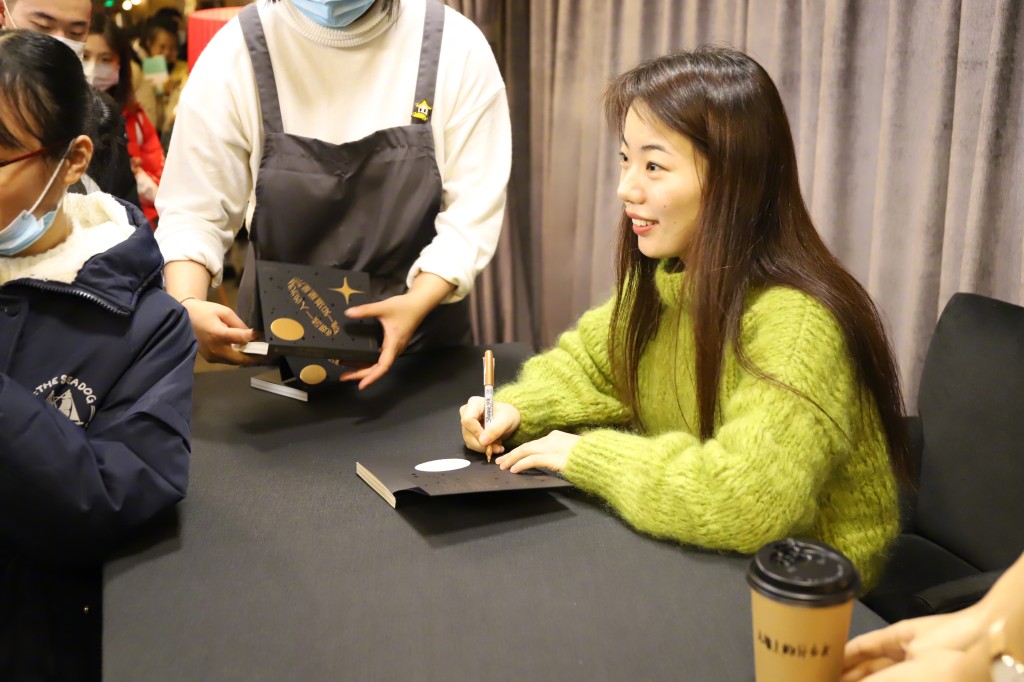
Renmin University of China has found no academic misconduct by writer Jiang Fangzhou following a high-profile dispute over her master’s thesis, though it identified serious citation and annotation irregularities and suspended her former supervisor from recruiting graduate students for one year.
ADVERTISEMENT
SCROLL TO CONTINUE WITH CONTENT
In a statement issued on Sunday night, the university said Jiang had shown “a serious lack of understanding” of the importance of thesis footnotes, but concluded that the findings did not amount to academic misconduct under Ministry of Education regulations.
The investigation found multiple academic irregularities in Jiang’s thesis, including misspelled English author names, incorrect publication dates, inaccurate translations and direct quotations presented as indirect references.
Following the probe, the university summoned Jiang’s former thesis supervisor and suspended the supervisor’s qualification to recruit graduate students for one year. It also met with the leadership of the School of Liberal Arts and ordered the school to complete corrective measures within a specified period.
The case drew widespread attention after Tsinghua University professor Xiao Ying publicly accused Jiang of systematic academic fraud.
Xiao alleged that the thesis contained instances of plagiarism and fabricated or altered references, and raised questions over whether software may have been used to rewrite parts of the paper.
Jiang denied the allegations, describing them as “slanderous.” She said Xiao’s evidence was flawed and argued that using the output of a modern AI chatbot to question a thesis written between 2018 and 2019 was unreasonable. She also cited historical records to support the authenticity of a disputed quotation from John Milton’s Paradise Lost.
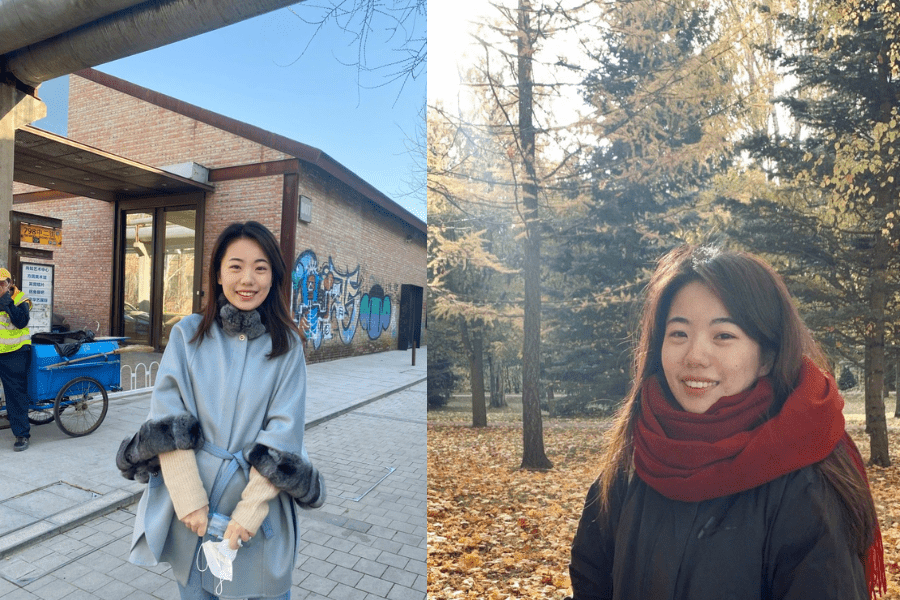
Jiang, 37, was once widely described in mainland media as a literary prodigy. She published her first book at the age of nine and was admitted to Tsinghua University in 2008 through an exceptional admission process.
The controversy followed separate online allegations earlier this year over similarities between some of Jiang’s published works and those of writers including Albert Camus and Vladimir Nabokov.