Read More
Marcus LumThe technology was part of an exhibition, "Pushing the Frontiers of AI: CUHK's Journey Through Innovation," that is running on campus until November 17 and also features 32 other advancements from fields such as health, visual arts and educational technology. 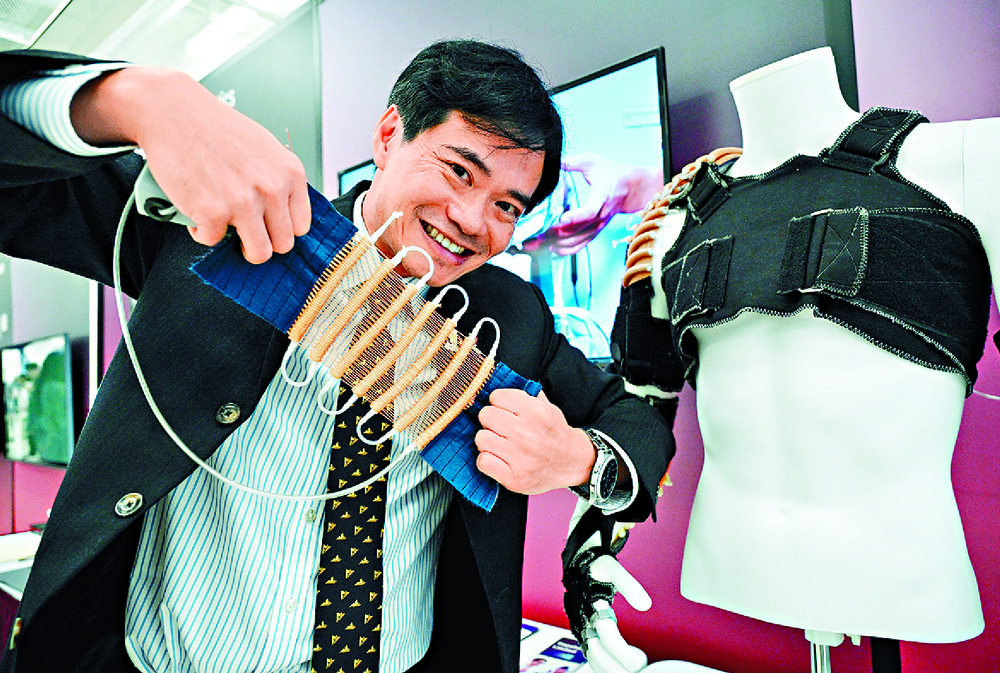
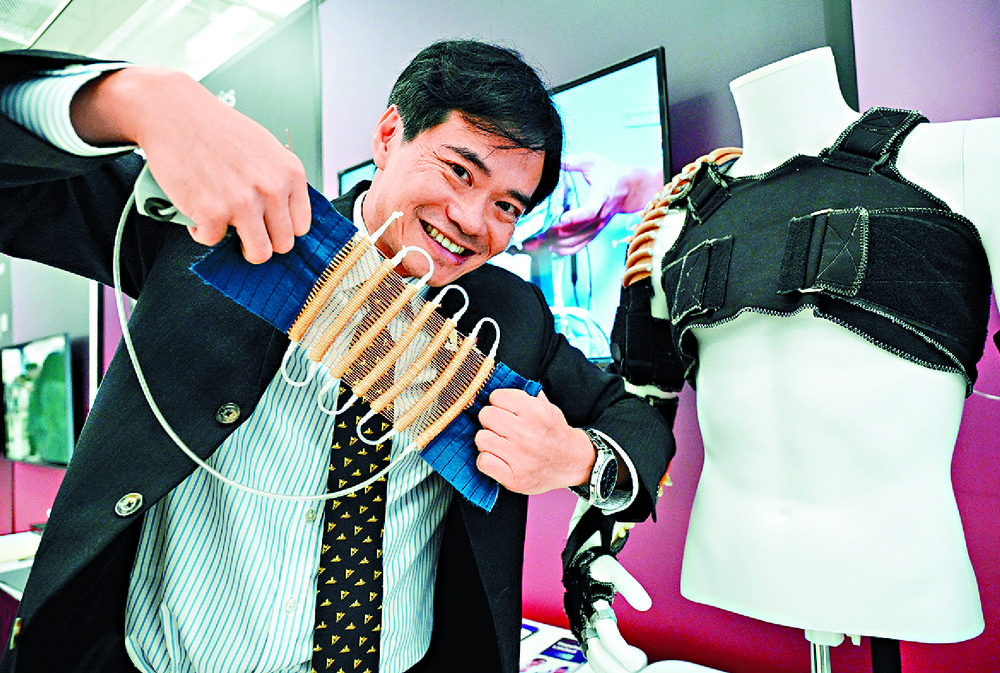
Chinese University of Hong Kong researchers have developed a groundbreaking wearable robotic designed to assist stroke patients in regaining their ability to walk.
ADVERTISEMENT
SCROLL TO CONTINUE WITH CONTENT
It aims to engage the public with advancements that are reshaping the world.
Raymond Tong Kai-yu from the department of biomedical engineering said the robot, developed over four years, was completed last year.
To date, it has enabled five stroke victims aged two to seven to stand and walk again.
Tong said it has significantly improved the daily lives of children with spastic joints resulting from strokes and cerebral palsy."After just 20 sessions of one-hour rehabilitation training, we observed substantial improvements in their self-care abilities," he said.
One of the robot's key advantages over traditional treatment methods is its "gentle, powerful and safe" design.Constructed from flexible materials and utilizing 3D printing technology, it features artificial muscles that generate pneumatic force, making it more suitable for the delicate skin of children compared to older models made of steel and motors.
Tong said it helps retrain patients' brains to stand and walk independently, preventing muscle stiffness from prolonged inactivity, which may require surgical intervention.Tong hopes to expand its application to other age groups.
"The technology has also been adapted for patients with knee degeneration, allowing them to use the device with the assistance of therapists post-surgery," he added.There are aspirations for its further use by individuals suffering from joint and muscle pain at home.
Raymond Tong shows how the wearable robotic technology works.