Read More












ADHD is not just a childhood condition, as more than 60 percent of individuals diagnosed with it still experience its effects in their adult lives, the Hong Kong Association for ADHD warned.
Attention deficit hyperactivity disorder impacts 10.2 percent of kids in Hong Kong. An HKU study also revealed that about 2.5 percent of adults in Hong Kong have ADHD.
Their hyperactivity can result in fidgeting during meetings and interrupting conversations, making it challenging for colleagues to engage.
Patients' adherence to treatment has always been key to managing the condition. But many young patients often overlook its importance."A world-leading international medical journal has revealed that within a year of starting ADHD treatment, over 60 percent of young adults aged 18 to 24 discontinued their treatment," Chan said.
Ms Chan, a 27-year-old ADHD patient diagnosed in kindergarten, recalled that her family regularly took her to the doctor but stopped follow-up visits at ten, believing she had recovered.Chan noted that she struggled academically in secondary school and was transferred to Youth College in Form 3. After less than a year of study, she left school to work. Chan said that due to her condition, she was prone to frequent mistakes.
While informed about her condition, her workmates generally believed that "ADHD does not affect mental health or work performance."In 2023, she was hospitalized for other medical issues and mentioned her ADHD to get a doctor's referral. Chan noted that the wait time exceeded a year without a consultation, and treatment at a private clinic was prohibitively expensive. She expressed hopes for treatment and support to manage her ADHD and improve her quality of life.
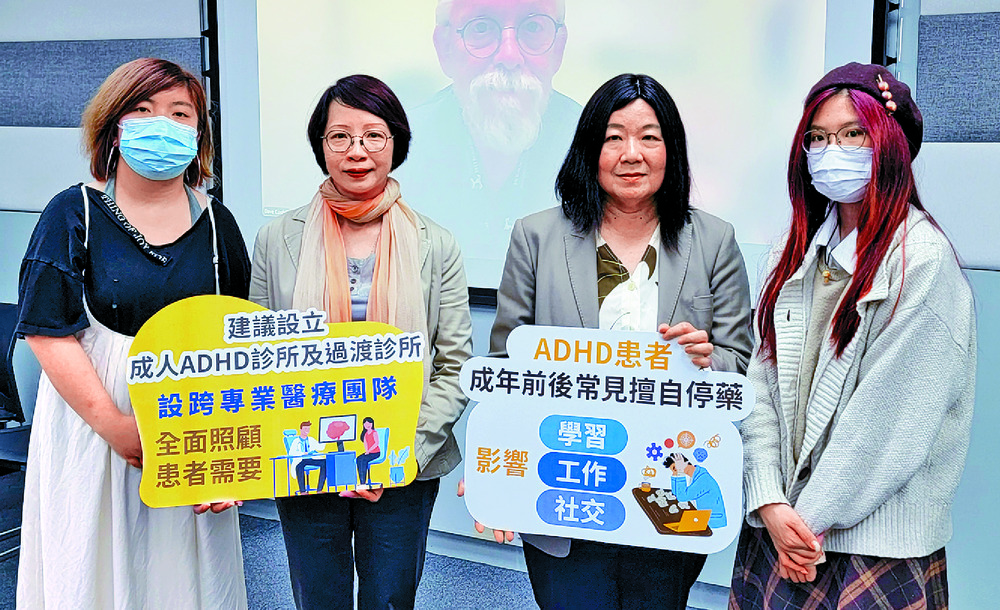
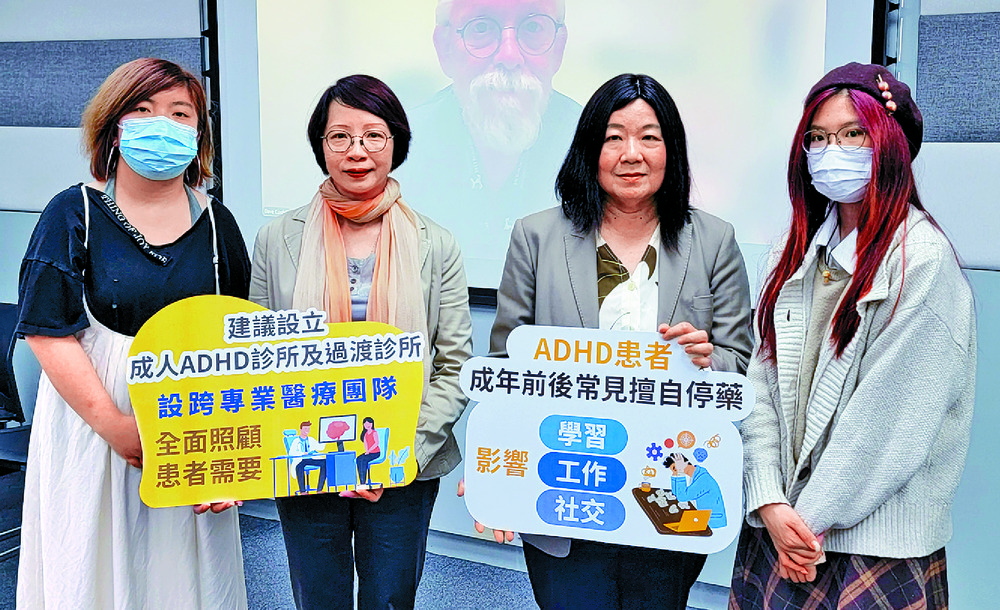
Marcia Ng, executive director of the Hong Kong Association for ADHD, said adults seeking treatment in the public system are often required to go to adult psychiatric outpatient clinics.Ng suggested enhancing transition services for adolescents with ADHD to ease their shift to adult services - improving treatment adherence and reducing comorbidity risks. She has also advocated for establishing "adult ADHD clinics" to provide targeted services, with multidisciplinary teams offering comprehensive medication and non-medication treatments.