
Read More



Night Recap - July 2, 2026
2 hours ago






John Lee thanks wife for unwavering support after four years in office
01-07-2026 13:21 HKT
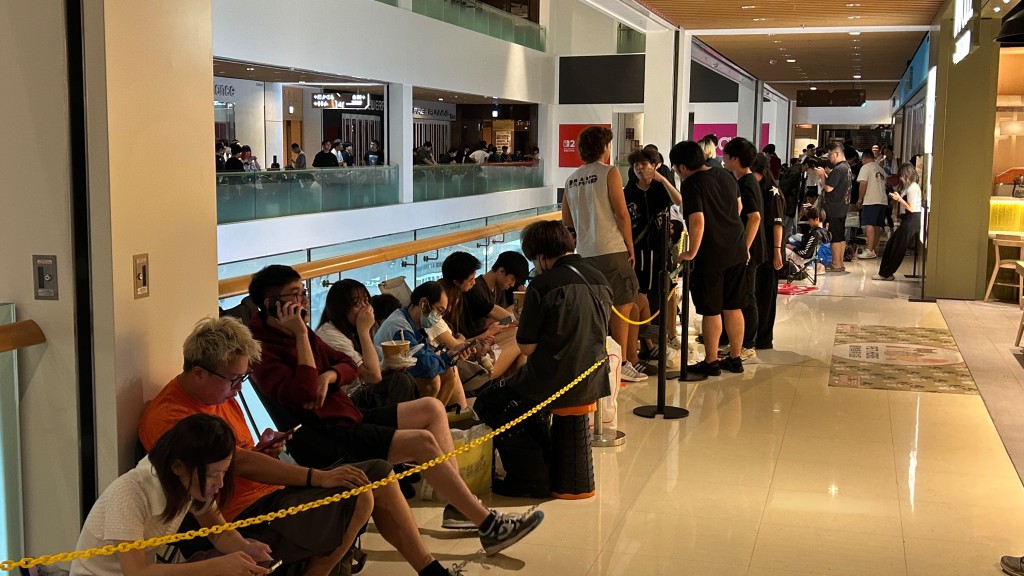
Local workers are being increasingly replaced by imported labor in the catering, transportation, property management and construction sectors, multiple unions have warned.
Wong Tai Sin district councilor Yau Yiu-shing said he received reports of a banquet hall dismissing a team of local chefs after they refused to train imported workers brought in by management.
He also mentioned that a property management company requested local security guards over 60 to "stop coming to work," deeming them "too slow" compared to newly hired imported workers.
In light of this, Yau has urged the government to implement a mechanism to halt the importation of labor when necessary.Chau Sze-kit, chairman of the Hong Kong Construction Industry Employees General Union, highlighted ongoing issues with delayed payments in the industry, with private projects often delaying salaries for up to six months.
Although government projects typically pay on time, full payments are not always made at once.Stanley Ng Chau-pei, president of the Hong Kong Federation of Trade Unions, called for stricter safeguards for local employment.
"Once imported workers are introduced, local salary standards will inevitably suffer," Ng warned.Meanwhile, Secretary for Labour and Welfare Chris Sun Yuk-han said more than 43,000 foreign laborers have been approved to work in Hong Kong under the Enhanced Supplementary Labour Scheme since its launch in September 2023.
He added that the scheme has been effective in adjusting labor supply, depending on the market situation."We have only approved quotas. These foreign laborers will arrive in Hong Kong in phases," he said.
"Under the mechanism, every application [to import foreign labor] must go through local recruitment. If there is more local labor supply, the approved quota threshold will be much lower than requested quotas - so the mechanism can adjust itself and protect [local labor]."