Read More




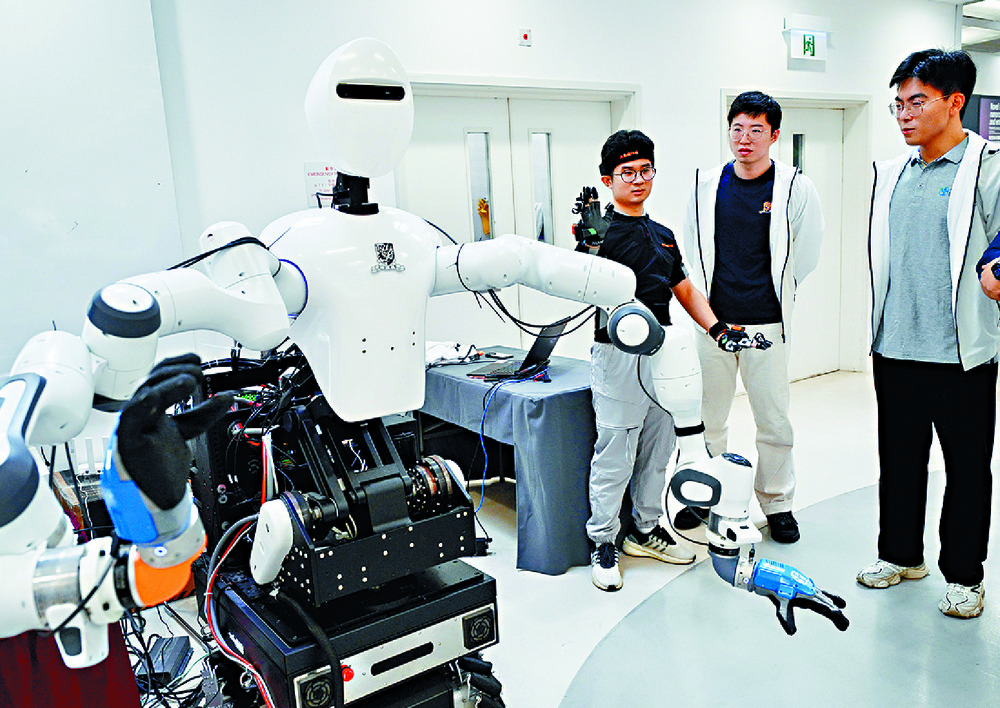
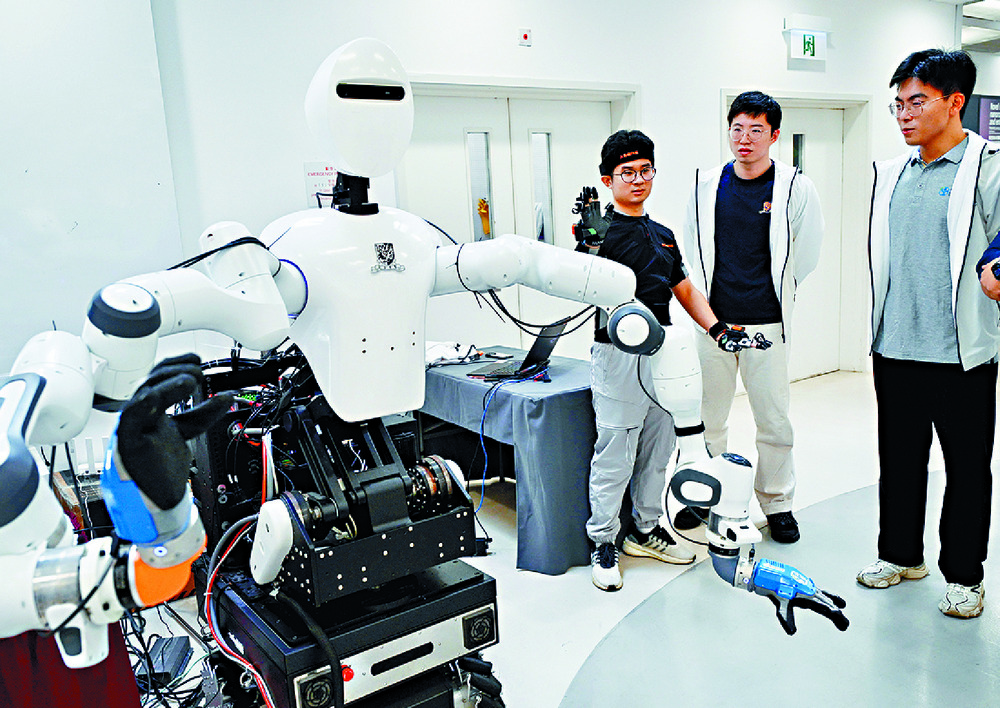
The proportion of undergraduates pursuing STEAM-related degrees in public universities has surpassed the administration's target of 35 percent over the past two years.
Sing Tao Daily, The Standard's sister publication, says it has already surpassed that in 2022/23 and 2023/24, hitting 37.5 and 38.1 percent.
In the past academic year, 34,000 undergrads pursued STEAM-related majors, including 4,976 in computer science and IT, a 53.7 percent rise over a decade ago. By contrast, physics majors are up by just 4.4 percent.
Starting in 2022/23, 20 undergrad programs related to STEAM have been introduced, including interdisciplinary ones that integrate artificial intelligence into the curriculum.A UGC spokesman said the initiative is "on schedule."
Anthony Fung Ying-him, dean of social science at Chinese University, said developing such programs has become a major trend.Not only have medical and engineering fields incorporated scientific elements but arts and social science faculties have also integrated innovative technologies, including AI, into their curricula - such as in journalism.
Legislative Council member Chu Kwok-keung said that as the SAR actively develops its "eight centers" positioning outlined in China's 14th five-year plan, STEAM grads are likely to have promising employment prospects.He recommended universities introduce additional STEAM-related programs to address long-term manpower needs in Hong Kong.
But Kong Siu-cheung, director of the Artificial Intelligence and Digital Competency Education Centre at Education University, said they should not solely focus on whether a program falls within STEAM categories.Instead, they should evaluate how digitalization can enhance that program.
He said programs could cover digital marketing, while history courses might use AI to reconstruct past landscapes.