Read More



HK braces for natural gas shortage
5 hours ago

Morning Recap - April 2, 2026
6 hours ago





Six senior counsel appointed
31-03-2026 13:54 HKT


12 new biometric e-Channels launched in HK airport for document-free entry
01-04-2026 12:48 HKT
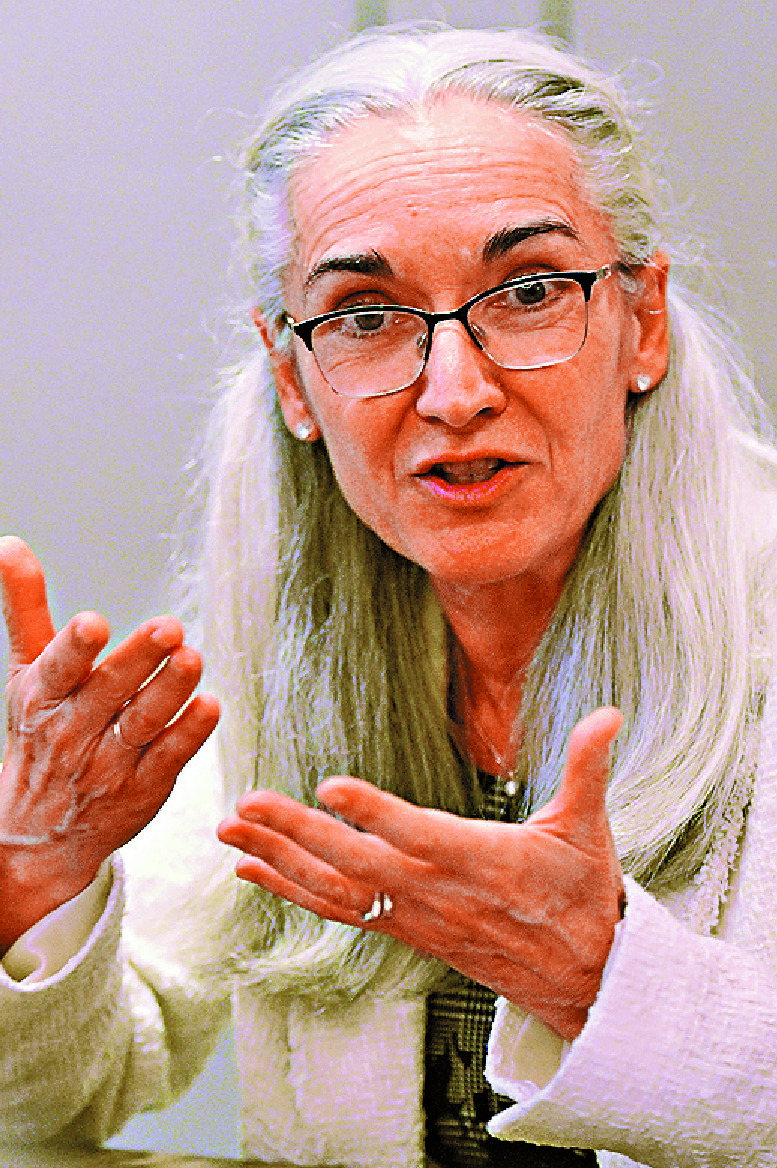
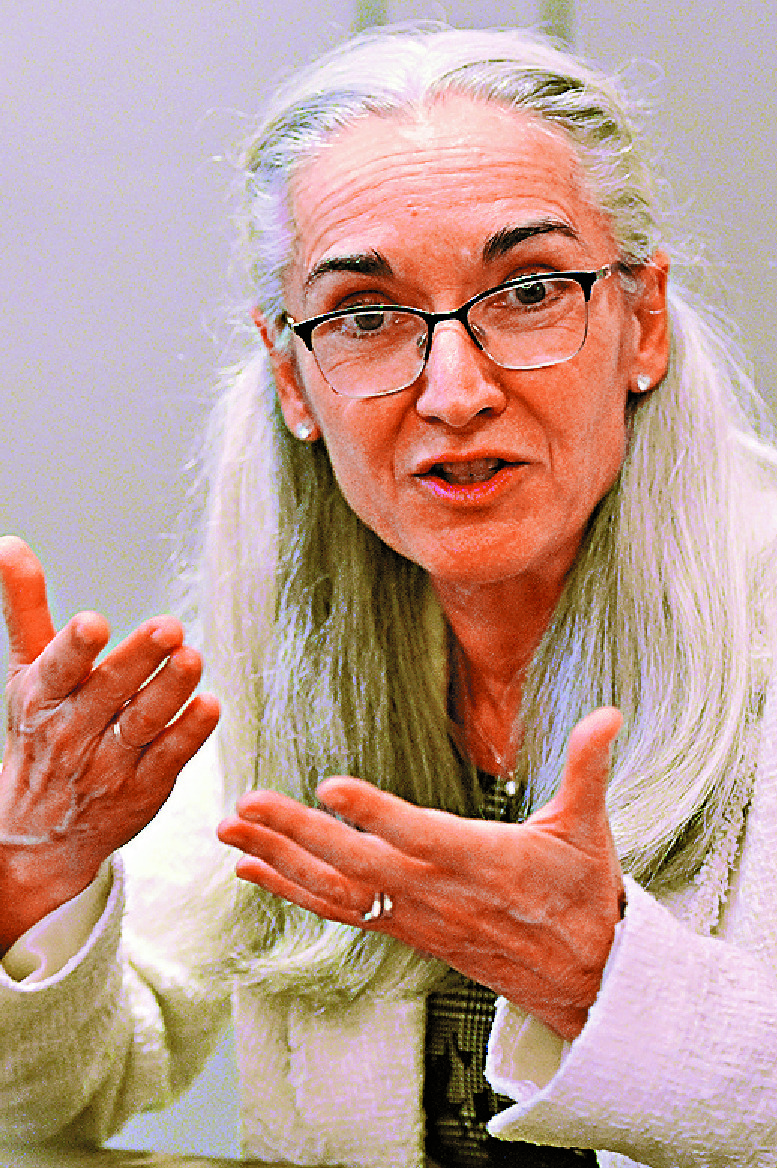
The visualization of gene transcription - a fundamental process of life - helped tackle the Covid pandemic and won two biologists this year's Shaw Prize in the life science and medicine category.
Gene transcription is the process of copying a segment of DNA - a person's genetic blueprint - into Messenger RNA before proteins can be produced.
Cramer said their work can be used to tackle many health issues and diseases, including cancer and Covid-19.
Tumor cells are "addicted to transcriptions" during the spread and tumor growth, he said."Those genes that promote the growth of cancer cells are too active. So if we understand better why they are active then we can properly interfere with it and downregulate it and also slow tumor growth."
A number of substances have been developed to target gene transcription machinery of tumor cells or viruses to cure diseases.Cramer said his research team started to work on the polymerase - a "copy machine" of the coronavirus when the pandemic hit Europe in 2020.
The team then discovered the 3D structure of the corona polymerase and found how antiviral drugs could stop virus transmission.Nogales said their discoveries contribute to fundamental science knowledge as visualization helps people better understand the transcription process and helps pharmaceutical companies improve drugs.
Nogales, who was trained as a physicist rather than a biologist, said now is "the century for biology" while physics textbooks have been "more or less the same" since the 1960s."There is so much that is unknown and so much to learn," she added, "so my encouragement is that if you want to be in a field where you will be making discoveries that end up in textbooks for universities it's biology.
"You can take your pick because there are so many areas that maybe you are interested in - understanding how the brain works, how emotions develop on the molecular level, or development from a fertilized egg to a human being."Although the two say it's hard to predict the next breakthrough in biology, Cramer points to many biologists nowadays being excited about observing biological processes inside living cells through the use of new technologies.