Read More

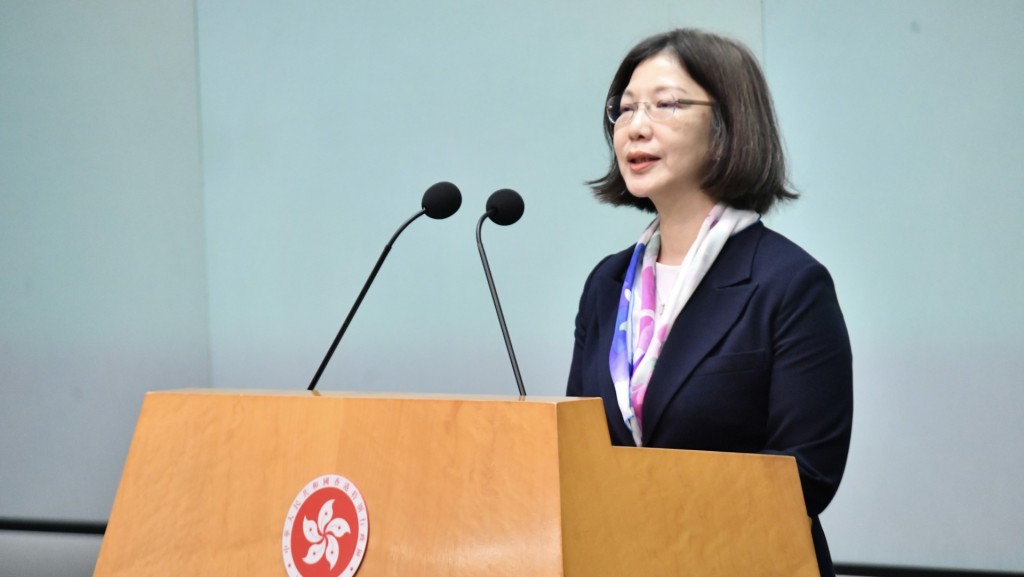
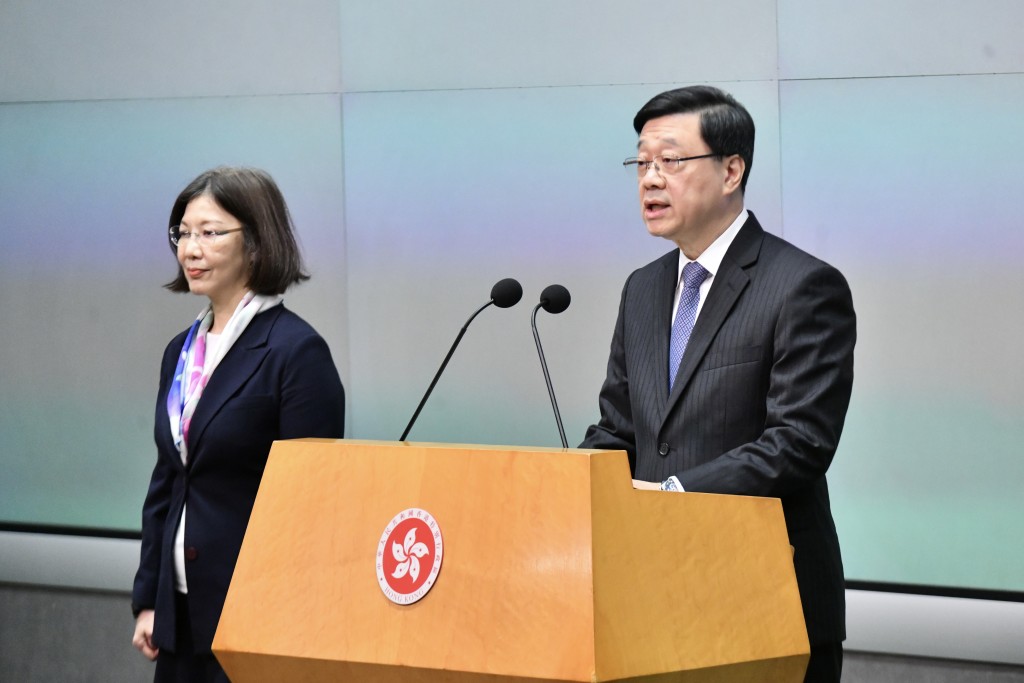
New mainland affairs chief to lead HK’s first five-year plan, says John Lee
30-03-2026 16:59 HKT






Night Recap - May 21, 2026
6 hours ago

ImmD crackdown targets moonlighting domestic helpers arresting 17
19-05-2026 17:52 HKT



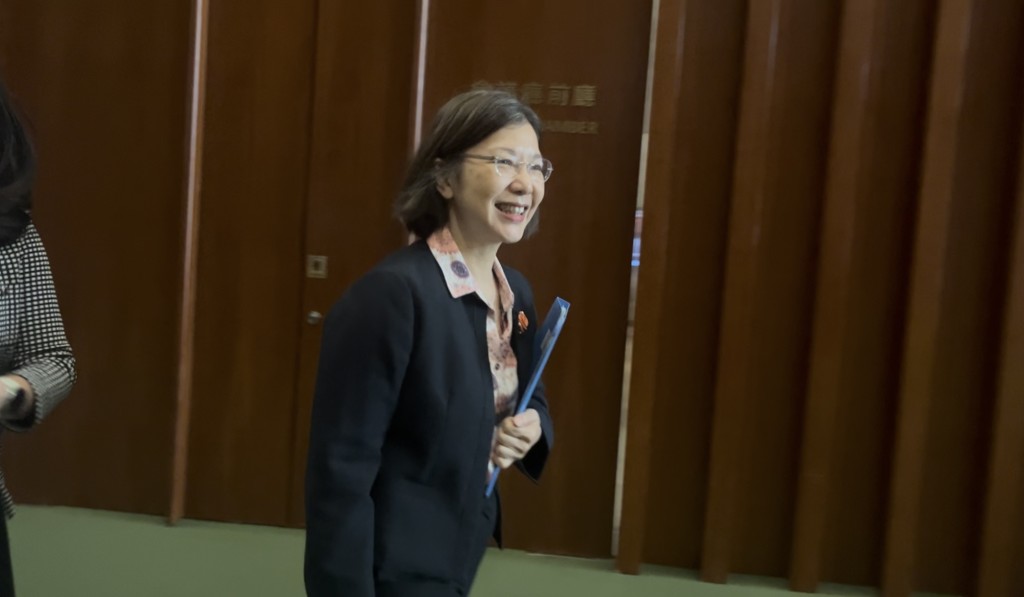
Hong Kong will leverage its unique common law advantages under One Country, Two Systems to drive high-quality development in the Greater Bay Area, Secretary for Constitutional and Mainland Affairs Janice Tse Siu-wa said on Wednesday.
The newly appointed mainland affairs chief attended her first Legislative Council meeting to speak on a lawmaker’s motion of “Exploring collaborative legislation in the Guangdong-Hong Kong-Macao Greater Bay Area.” She noted her first visit to LegCo since taking office felt “very good.”
Tse pointed out that the GBA’s greatest strength lies in its development across three jurisdictions under One Country, Two Systems, which provides the foundation for high-quality, international growth. As China’s only common law jurisdiction and the world’s only bilingual one, Hong Kong offers a unique, reputable advantage.
She noted that while legal and political differences exist across Guangdong, Hong Kong, and Macau, cooperation must respect individual authorities while coordinating shared needs. By transforming “institutional differences” into “institutional advantages,” the GBA creates a unique, collaborative model that is difficult to replicate.
She highlighted key recent milestones include the joint hosting of the National Games and the “Northbound Travel for Hong Kong Vehicles” scheme. Additionally, the sea‑air intermodal cargo‑transhipment mode between Dongguan and the Airport Authority Hong Kong has streamlined global exports. These achievements, Tse noted, mark solid progress in GBA integration.
Lawmaker Kazaf Tam Chun-kwok highlighted that the GBA’s “three jurisdictions” framework requires institutional innovation and better rule alignment. He urged Hong Kong to use its common law status to lead this coordination.
Tam proposed using the Northern Metropolis as a pilot for exclusive legislation to bridge regional gaps, similar to the Hetao Shenzhen-Hong Kong Science and Technology Innovation Co-operation Zone model. He backed the “white-list” system for easier travel and called for similar breakthroughs in logistics, capital, and data flows.
By leveraging the upcoming Sha Ling Data Park, he hopes Hong Kong can develop as an international data hub to boost the GBA’s digital economy.
Lawmaker Gary Chan Hak-kan proposed using “collaborative legislation” to align specific laws without changing constitutional powers, identifying the green industry as a prime pilot.
Chan suggested starting with carbon trading to support the national 14th Five-Year Plan. He noted that while Hong Kong aims to be a global carbon hub, it faces hurdles in international recognition and cross-border deals. Collaborative legislation, he emphasized, is the most stable way to build an integrated GBA market and resolve these challenges.