Read More



Night Recap - September 15, 2026
4 hours ago





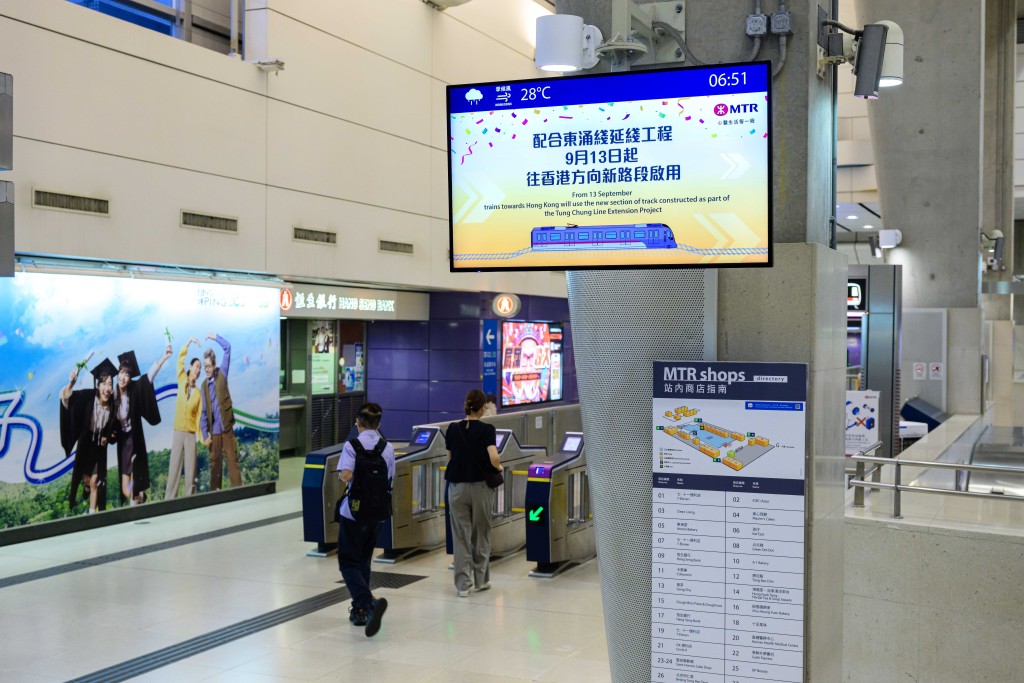
MTR opens new Tung Chung Line Extension track section with smooth service
13-09-2026 12:59 HKT
Teenagers in Hong Kong are being encouraged to speak out on building rehabilitation as the Urban Renewal Authority has provided training to around 30 secondary students through a scheme with the Hong Kong Youth Leadership College.
Incorporated with the HKFYG Leadership Training Institute, the URA launched a youth training program, URA Youth Speak, with the aim of raising awareness among youth about building rehabilitation.
Ahead of the building maintenance handbook launch at Tower Three of eResidence, URA managing director Wai Chi-sing said it is crucial to promote building maintenance knowledge from an early age.
"The correct concepts of building rehabilitation and preventive maintenance should be taught to them in order to prepare them for ownership opportunities in the future," he said.
The six-month program is divided into three stages, involving activities such as classroom lectures, workshops and site visitations.
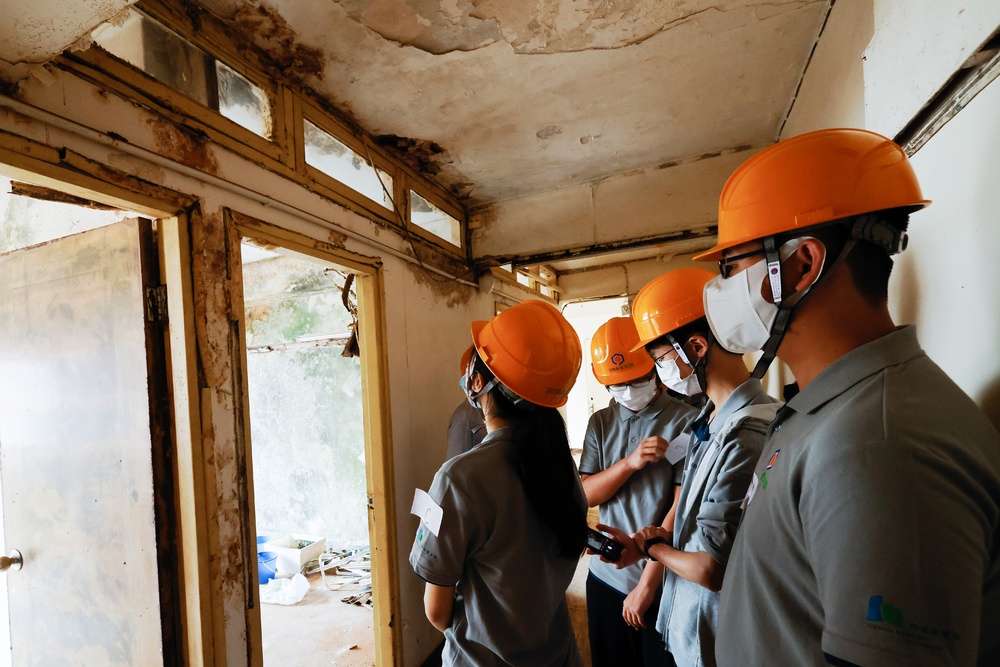
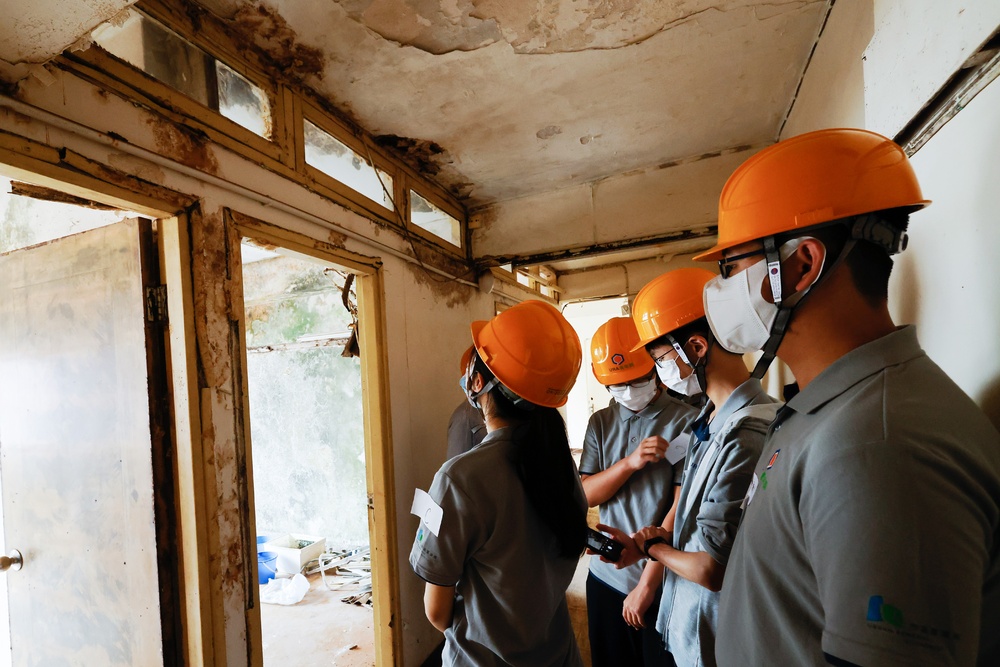
As part of the first stage of training, students visited two redevelopment projects in To Kwa Wan, which are around 50 years old.
They explored the building's interior, including the stairways, corridors and rooftops on each of the eight floors. The students learnt how old buildings deteriorate from lack of maintenance, such as concrete spalling and leaky roofs.
"Students said they were shocked by the conditions of the building where concrete was spalling off from the ceiling and rusty steel bars were exposed," Wai said.
In the second stage, students role-played as URA consultants to address and formulate rehabilitation policies. Eight workshops were organized with the support of representatives from policy research institutes, policy advocacy consultants and members of the Legislative Council.
Five college students were appointed as instructors to give advice and individual guidance to students.
In the final stage, students attended a simulated board of directors meetings where they were introduced to the rehabilitation plans and research outcomes.
Wai said the program brought about thought-provoking communication among the participants and an opportunity for the authority to hear from the youth. He said that he was encouraged by the active participation of the students.
"It was encouraging to see students' understanding and suggestions over rehabilitation, such a difficult topic, in such a short training program," Wai said.
"URA Youth Speak marks an important step in the education of rehabilitation. I hope these students can stay aware of the rehabilitation projects in the city."