Read More



Night Recap - July 2, 2026
1 hour ago






John Lee thanks wife for unwavering support after four years in office
01-07-2026 13:21 HKT
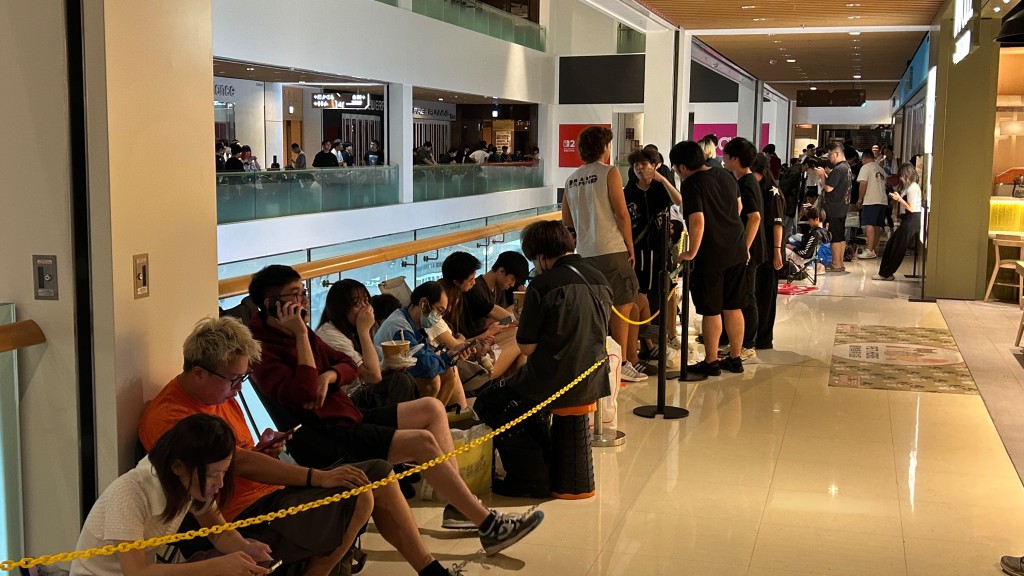
The first round of applications to import construction workers closed yesterday with only 11 applications to bring in 3,910 workers, or 33 percent of the quota ceiling of 12,000, with the industry saying undersubscription was expected.
Authorities announced in June to import 12,000 construction workers from the mainland and overseas, and they will be employed mainly on public construction projects of contract prices lower than HK$1 billion.
Lawrence Ng San-wa, chairman of the Hong Kong Construction Sub-contractors Association, said on a radio program yesterday that construction works usually take four to five years and different procedures require different expertise.
Ng said the manpower shortage within the industry cannot be solved in one go and he expects the industry to submit applications in batches by their construction progress.
"The scheme requires imported workers to arrive in the city within 12 months upon approval. But a construction project takes at least two to three yearssome of the procedures such as plastering will be at the latter stage [of the project]," he said.
"Although a large number of workers are needed, it is less likely that all of them will appear at the site at the same time."
Speaking on the same program, Terence Ng Choi-wah, chairman of the Hong Kong General Building Contractors Association, said the manpower shortage has already exceeded 12,000 in public construction works.
He urged authorities to increase the import quotas and include applications from private construction projects in the next round of scheme in October.
"The private sector, especially small-and-medium-size developers, also faces a labor shortage. Indeed the government can set a [import] ratio between public and private projects," he said.
Democratic Alliance for the Betterment and Progress of Hong Kong lawmaker Frankie Ngan Man-yu said many employers were unable to apply for the first round of the scheme because they failed to fulfill the four-month local recruitment process.
He said it would take three to four months for the workers to arrive in the city and receive training, that will fall around Christmas and Lunar New Year holidays when building sites are closed.
Meanwhile, as the Social Welfare Department is about to approve applications for 1,000 quotas of imported labor for care homes by month-end, care homes urged authorities to increase the quotas from the current 7,000 to ease an acute manpower crunch.
The scheme, launched in June, receives applications from private and self-financing care homes quarterly.
The first round of applications for 1,000 quotas closed last month and saw 370 care homes hoping to import 2,162 workers.
Citing a manpower gap, Elderly Commission member Grace Li-fai said: "Even if a care home has an urgent need to import workers now, they will need to wait for another round after applications closed."