Read More
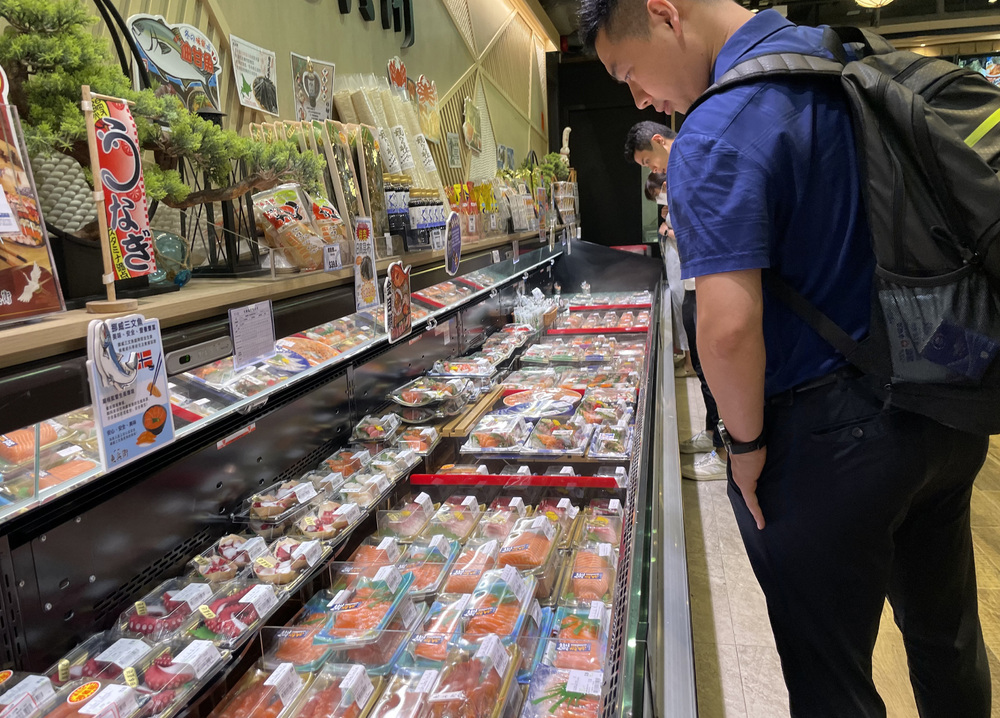
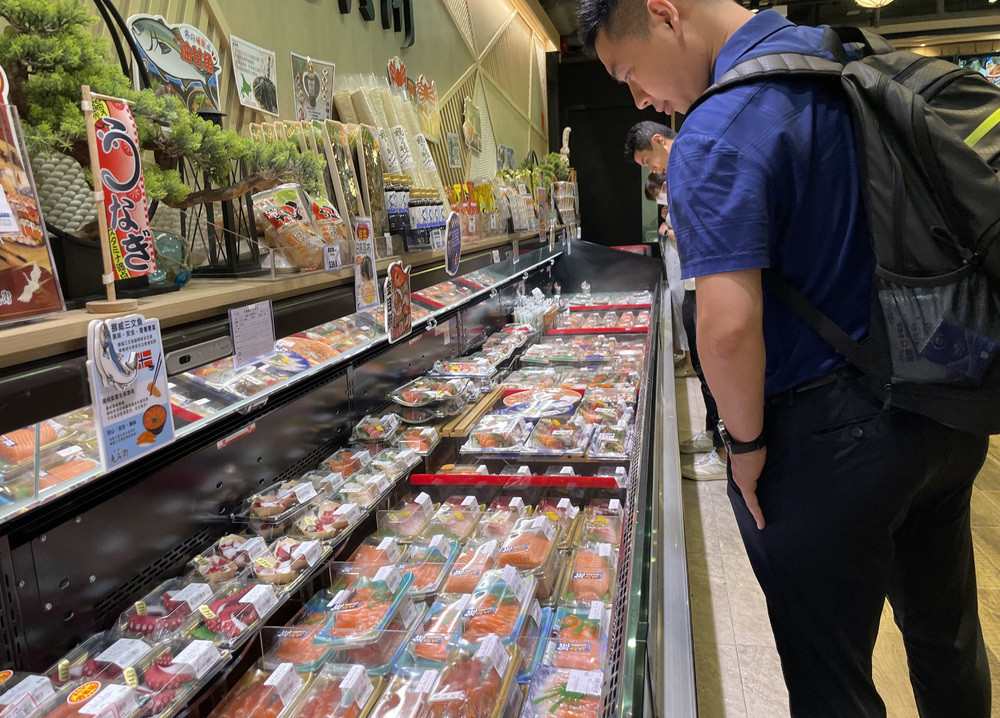
Sales of Japanese seafood in Hong Kong were sluggish recently following Tokyo's announcement that it was going ahead with discharges of nuclear wastewater into the sea from the Fukushima nuclear power plant that was decimated by an earthquake and tsunami in 2011.
ADVERTISEMENT
SCROLL TO CONTINUE WITH CONTENT
The International Atomic Energy Agency on Tuesday said Tokyo's plan to release the treated radioactive water was consistent with global safety standards.
But Hong Kong Nuclear Society chairman Luk Bing-lam was not convinced by the IAEA report.
"They often used 'noted' instead of 'agreed' and it is not positive enough," Luk said, adding there didn't seem to be a consensus among all IAEA specialists.
He said more research is needed to gauge the discharge's impact on seafood.
"Although laboratory experiments show seafood are edible given small radiation doses, people are worried," Luk said.
The government should suspend seafood imports from Fukushima until more marine data can be gathered.
Hong Kong on Tuesday said the issue is worrisome as it is unknown if Japan can ensure there is no risk to food safety.
Currently, seafood from Fukushima and four nearby prefectures needs radiation certificates to be imported, and Secretary for Environment and Ecology Tse Chin-wan has said the government would apply strict restrictions, including fully banning imports from Fukushima and high-risk areas once the discharges begin.
Hong Kong Chamber of Seafood Merchants chairman Lee Choi-wah said sales of Japanese seafood are sluggish and members are willing to offer discounts.
"Nearby countries are not ordering so much now, so more of these products are imported here," he said.
Simon Wong Ka-wo, chairman of Hong Kong Federation of Restaurants and Related Trades, said the discharges will have a negative effect on his members.
"Japanese restaurants are seeing fewer customers recently, so it is also affecting the business of these importers," Wong said.
Local Japanese food suppliers and restaurants have turning to other sources, such as to the mainland for congers and northern Europe and Canada for salmon.