Read More
The value of upper-floors units at Wing Hong Factory Building in Cheung Sha Wan have increased by HK$20 million each following its "partial reconstruction" by the Urban Renewal Authority.
ADVERTISEMENT
SCROLL TO CONTINUE WITH CONTENT
URA managing director Wai Chi-sing wrote in his blog that the reconstruction at the old industrial building had been completed after three years and the upper-floor units had been turned into offices for the URA's rehabilitation department starting from last month.
As the first factory building to be retrofitted, rehabilitated and revitalized for reuse, Wai said the appreciation in values following the reconstruction of the upper-floor units was "quite cost-effective."
He added: "The cost for reconstruction was HK$2,000 per square foot, therefore the cost of the whole construction to rebuild the factory building was HK$150 million.
"But the value of each unit has increased by HK$20 million, while the rental value of each unit will also increase due to property appreciation and improvements to the nearby environment and facilities," he added.
Wai said the increases in value were based on an estimate by the URA that after the reconstruction of the upper-floor units, the market values of those units would exceed HK$11,000 per sq ft, more than double the HK$5,000 before the revitalization.
The URA initially proposed to rebuild the whole building in 2013, but as some of the owners refused to sell their properties, the plan was scrapped in 2018 and the URA initiated a backup plan to start a "partial reconstruction" of the building instead.
Wai said a "partial reconstruction" means that the URA will coordinate and fully pay for the reconstruction of and improvement works for the public facilities within the building, as opposed to rebuilding the entire building.
That would mean owners of other units could keep their properties and continue usage and operations as normal, which would also "minimize the expenses and nuisance caused toward other owners of the building due to the reconstruction."
Wai therefore hopes the URA's approach can set an example for factory building owners who are facing a situation where ownership of their factory building is scattered.
"They can take reference from our mode of operation this time to retrofit and transform their factory building, as well as improve its facilities. I believe they can bring property appreciation to their factory buildings," Wai said.
He also called on the government to join hands with the URA and look into providing more incentives for owners to revitalize their factory buildings and provide flexibility in legal requirements toward the rehabilitation of factory buildings.
Wai also hopes to encourage owners to rebuild or rehabilitate and therefore revitalize their factory buildings to improve the use of land resources.
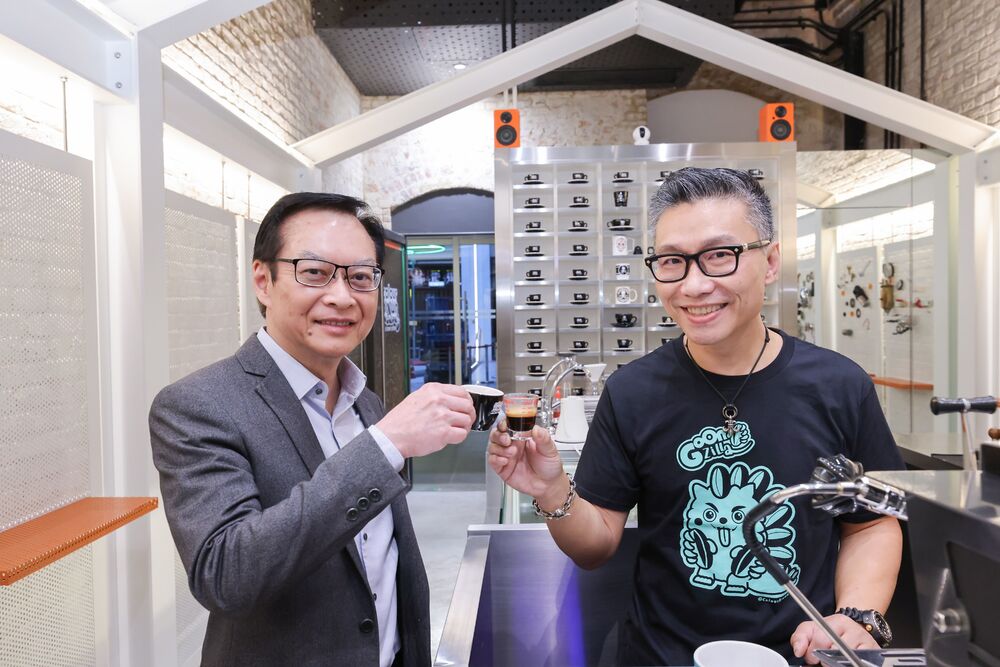
Wai Chi-sing says the property appreciation post-reconstruction is cost-effective.