Read More



China's consumer spending and industrial activity grew at a slower pace than expected in April while youth unemployment surged to a record 20.4 percent.
Both sets of data were taken as more signs the recovery is losing momentum.
Industrial production rose 5.6 percent from 12 months earlier, the National Bureau of Statistics said, which was lower than a 10.9 percent median estimate in a Bloomberg survey of economists.
Retail sales climbed 18.4 percent - worse than forecasts, which had been for a 21.9 percent surge.
And growth in fixed-asset investment slowed to 4.7 percent in the first four months of the year against a 5.7 percent forecast by economists.
The data confirmed signals from other recent indicators that show the recovery is waning. The property market remains weak despite early signs of a pickup in housing sales, inflation is close to zero, and consumers are reluctant to borrow.
The NBS anticipates the consumer price index will remain at a low level in the short term, though as the policy of expanding domestic demand takes effect it is expected to drive CPI inflation to a more reasonable level.
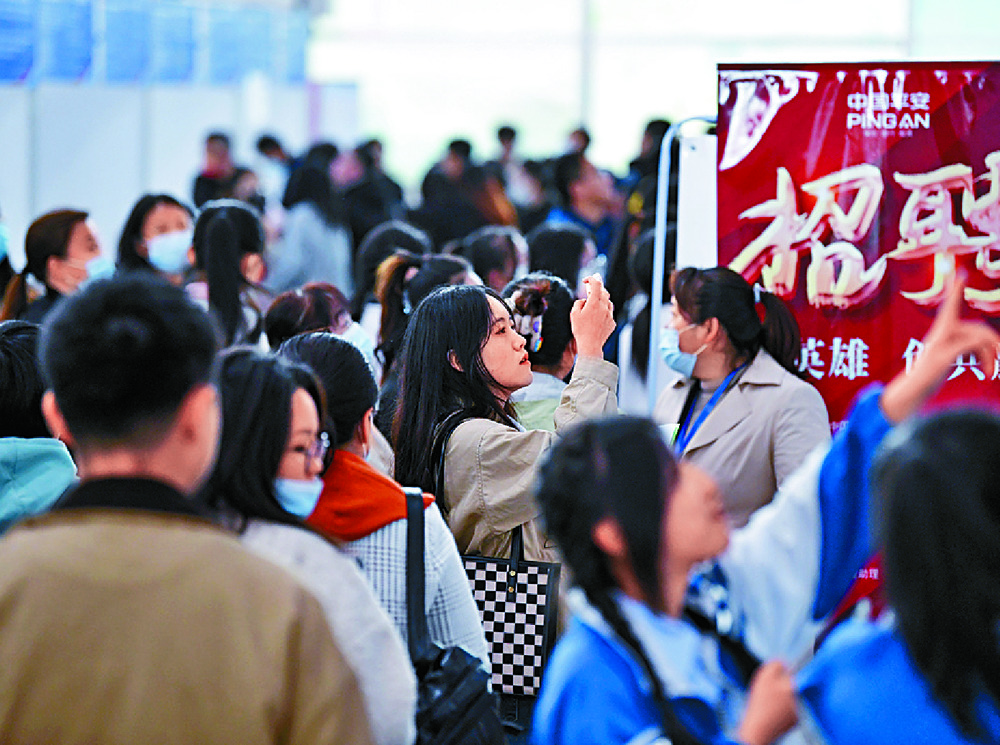
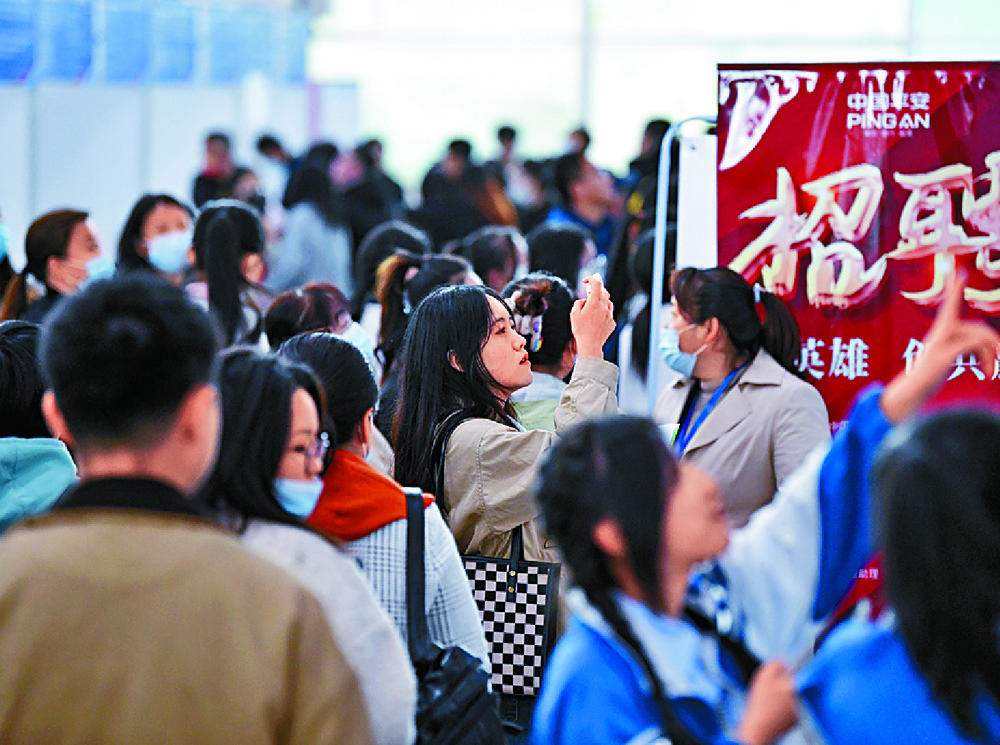
On unemployment, the urban jobless rate eased to 5.2 percent from 5.3 percent in March, but unemployment among young people reached the new high of 20.4 percent, showing the economy is still struggling to absorb new workers even as the overall labor force declines.
The unemployment rate rose from 19.6 percent and topped last summer's previous record of 19.9 percent, even as the overall surveyed jobless rate declined to 5.2 percent, according to the NBS.
"The pressure from fresh college graduates will mount around July," said Bruce Pang, chief economist for Greater China at Jones Lang LaSalle.
"More efforts need to be made to stabilize and expand employment for young people," NBS spokesperson Fu Linghui said in Beijing.
Meanwhile, commercial housing sales rose 8.8 percent yearly to 3.98 trillion yuan (HK$4.47 trillion) for the first four months, the NBS reported. But investment in real estate development was 3.55 trillion yuan during the period, which was down 6.2 percent year-on-year.
The People's Bank of China hinted this week it will maintain a supportive policy, prompting some economists to predict it could take stronger action in the coming months, including lowering the reserve requirement ratio or cutting interest rates.
Economists say more policy action will be needed to keep the recovery going, although central bank steps alone won't be enough to boost consumer and business confidence.