Read More



HK braces for natural gas shortage
5 hours ago

Morning Recap - April 2, 2026
6 hours ago





Six senior counsel appointed
31-03-2026 13:54 HKT


12 new biometric e-Channels launched in HK airport for document-free entry
01-04-2026 12:48 HKT
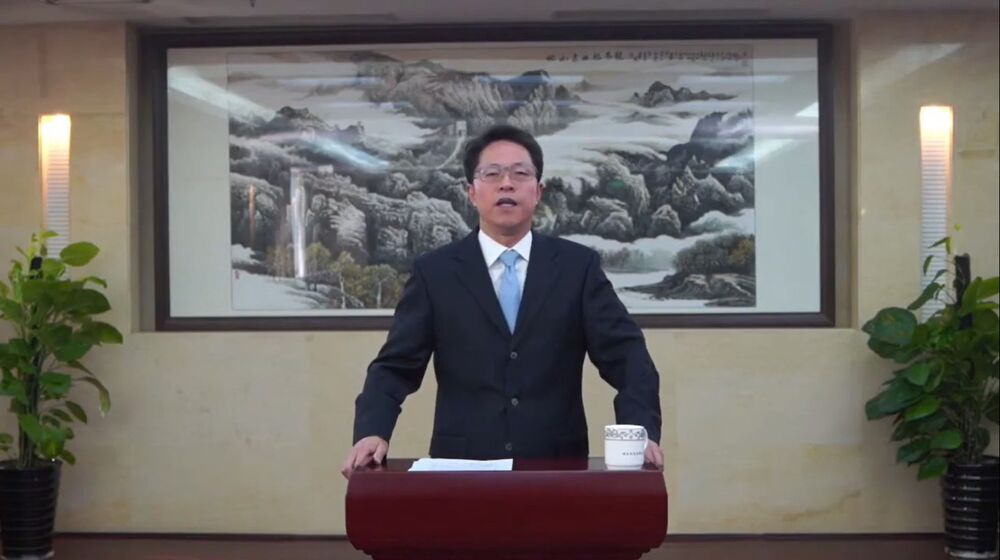
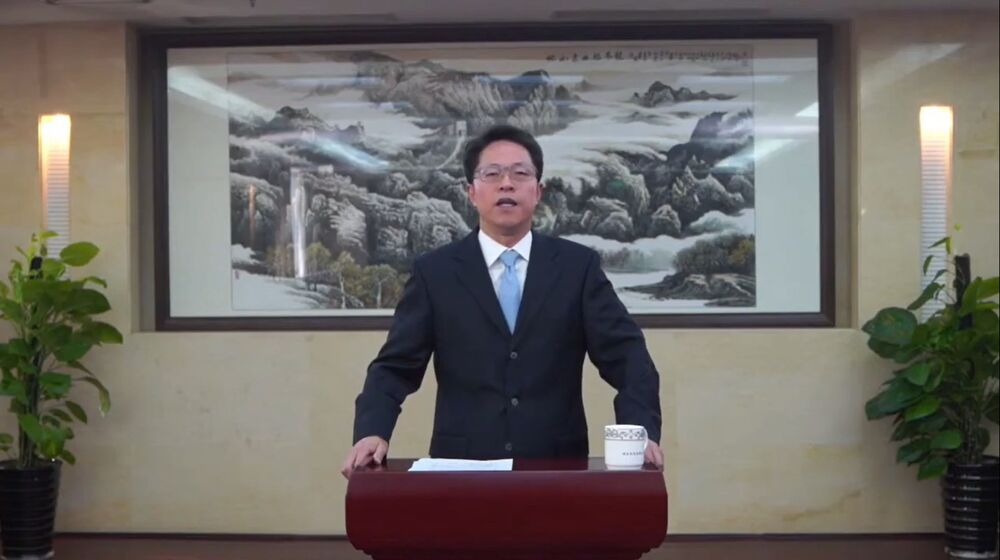
Patriotism should come before democracy and freedom in the SAR, the deputy director of the Hong Kong and Macau Affairs Office, Zhang Xiaoming, said yesterday.
That came at a legal forum marking 30 years since the promulgation of the Basic Law, with Zhang delivering a speech by video in which he said many problems since the handover - including the Occupy movement and the anti-fugitive bill saga - were caused by inaccurate interpretations of the one country, two systems principle.
"One country should always come before two systems," Zhang said. "When Hongkongers say they love Hong Kong they should also love the country. While core values like democracy and freedom are cherished in Hong Kong, patriotism should always come first."
Also, Zhang said, the central government does not allow those who oppose it or have subversive intent to run the SAR.
"Hong Kong is a part of China. We should only allow patriots to rule Hong Kong."
Zhang described the disqualification of four opposition legislators from the Legislative Council as a measure that turned a political norm into a legal threshold.
"It has been a political rule under one country, two systems that those who love the country and Hong Kong should administer the city and those who oppose Beijing and cause chaos should be ousted."
Zhang recognized the SAR's efforts to have civil servants pledge allegiance to the Basic Law as well as pushing national education before turning his attention to the legal sector.
He said he was aware Henry Litton, a former judge in the Court of Final Appeal, has called for judicial reform.
Litton has said a radical cultural change was necessary after slamming SAR courts for allegedly facilitating street violence through rulings.
He also accused the courts of elevating themselves to try to be on par with the National People's Congress in trying to set constitutional order for Hong Kong in a ruling over a mask ban.
Zhang, in support of Litton, said: "Such a rational voice from an insider deserves society's attention, especially within the legal sector."
Zhang said judicial reforms do not necessarily undermine judicial independence.
Even in Western countries, he said, reforms ensure a judiciary stays abreast of the times and that "will in no way hamper judicial independence."
Zhang mocked pan-democrats for describing the disqualifications as the "death knell" of one country, two systems" and "the darkest day under the rule of law."
History would prove the unique system for Hong Kong can achieve greater success, he said.
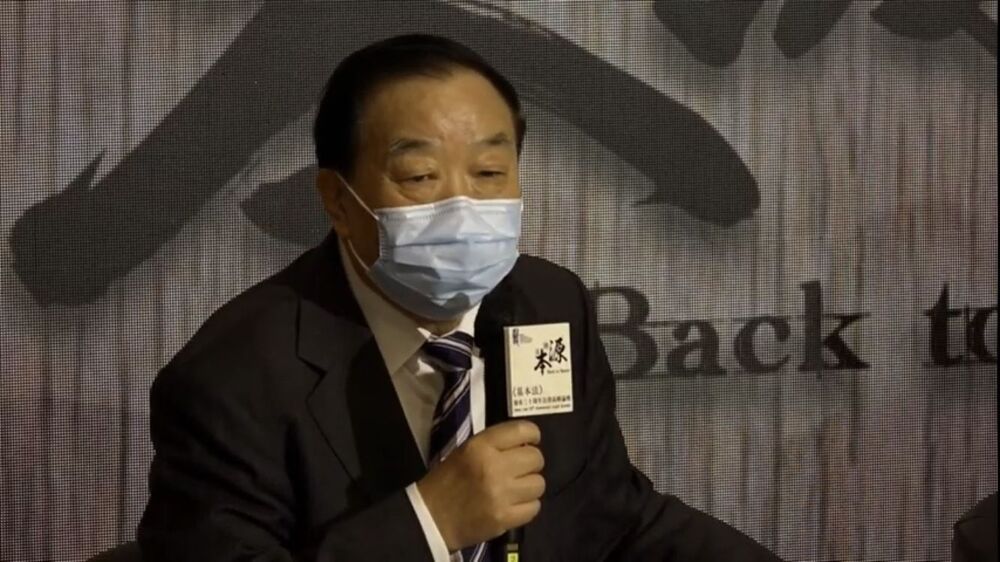
Also at the forum, a former chairman of the NPC Basic Law Committee, Qiao Xiaoyang, said Beijing decided to legislate the national security law for Hong Kong as it could not tolerate unrest.
"The anti-fugitive bill saga escalated to such an extent that it undermined Hong Kong's economy and prosperity as well as national security," Qiao said two years after his last visit to the SAR.
"Beijing chose to tolerate it at first but could no longer stand the unrest lest it turn into a historical mistake."
Qiao said the law safeguarded the principles of one country, two systems as well as the Basic Law, adding that the disqualification of the four lawmakers was based on the same reasoning.
"We cannot consider only the points of view of foreign countries," he argued. "We should take the point of view of the Chinese and the country as a whole to better understand one country, two systems and the Basic Law."
michael.shum@singtaonewscorp.com