Read More
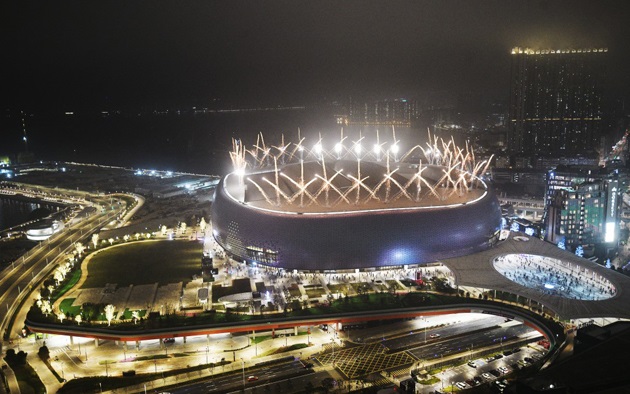
The opening of Kai Tak Sports Park is a monumental moment for the city. Built at a colossal cost of HK$31.9 billion, it is the world’s second most expensive.
ADVERTISEMENT
SCROLL TO CONTINUE WITH CONTENT
But in addition to world-class infrastructure and top athletes, we need talent in sports and mega event management. And there are lessons to be learnt, good and bad, from the rest of the world.
Manchester United’s Old Trafford has 74,000 seats, and shows how a legendary club has leveraged history and global fans to sustain itself financially. The club generates over £600 million (HK$5.87 billion) annually and hosts not just matches but concerts, corporate events and museum tours that draw 200,000 visitors a year.
The management is good at balancing sporting with commercial innovations.
Tottenham Hotspur is another. Its Tottenham Hotspur Stadium opened in 2019 showcases cutting-edge design and diversification. With a 62,000 capacity, it generates £450 million annually, hosting NFL games, boxing matches, and concerts.
Both clubs, while being profitable, have also been confronted with setbacks. Fans are discontented with some ownership decisions and their performance on the field. The high debt burden of Spurs’ stadium also underscores the risk of over-leveraging.
Following its opening, KTSP needs a world-class management strategy to avoid becoming a financial burden.
Spanning across 28 hectares in Kai Tak, the sports complex boasts a 50,000-seat main stadium with a retractable roof, a 10,000-seat indoor arena, and a 5,000-seat public sports ground, built with an aim to elevate Hong Kong as a city of sports.
A critical factor in achieving this lies in nurturing talent, not just among athletes but also in sports management and business.
The city has produced notable athletes such as fencer Cheung Ka-long, swimmer Siobhan Haughey and cyclist Sarah Kee Wai-sze. These athletes brought not just medals but also pride to Hong Kong, showing its potential for excellence.
To truly thrive, Hong Kong needs to invest in a robust sports management ecosystem.
Brazil’s Arena da Amazonia serves as a stark reminder of what could happen when ambition outstrips demand, with the US$300 million (HK$2.34 billion) World Cup 2014 venue largely unused. KTSP must ensure facilities are versatile and in constant use to avoid such dreadful fate.
KTSP may also consider the Millennium Stadium in Cardiff, now Principality Stadium, that had been struggling with debt and underuse in the beginning. The stadium turned profitable after strategic changes to host diverse events like rugby and motorsport in addition to football.
Hurdles confronting KTSP range from its extremely high building cost demanding a robust revenue stream. Some experts have estimated that the stadium would have to target 50 to 60 major events annually to justify itself financially.
Community engagement is essential as evidenced in Cardiff’s turnaround and Brazil’s failure.
Spurs’ multi-use business model with year-round programming would be useful reference. In relation to this, KTSP may continue to tap the expertise of project director John Sharkey, a former vice-president at venue and event management company ASM Global.
KTSP’s future hinges on a management that can harness local talent and learn from overseas lessons. In addition to hosting world events and nurturing athletes, a city of sports must have a passionate sports culture giving priority to sports and economics, not politics.
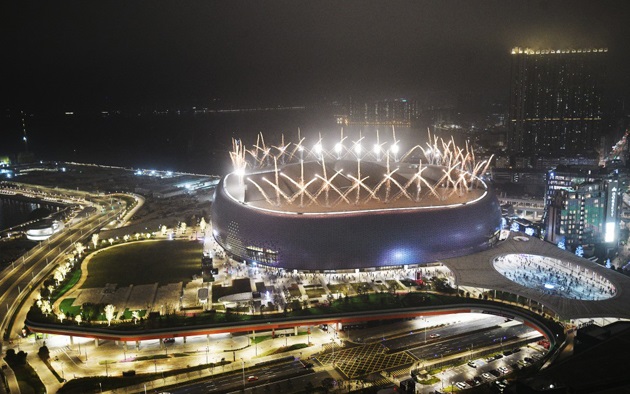
The new stadium opened to great fanfare on March 1.