Read More






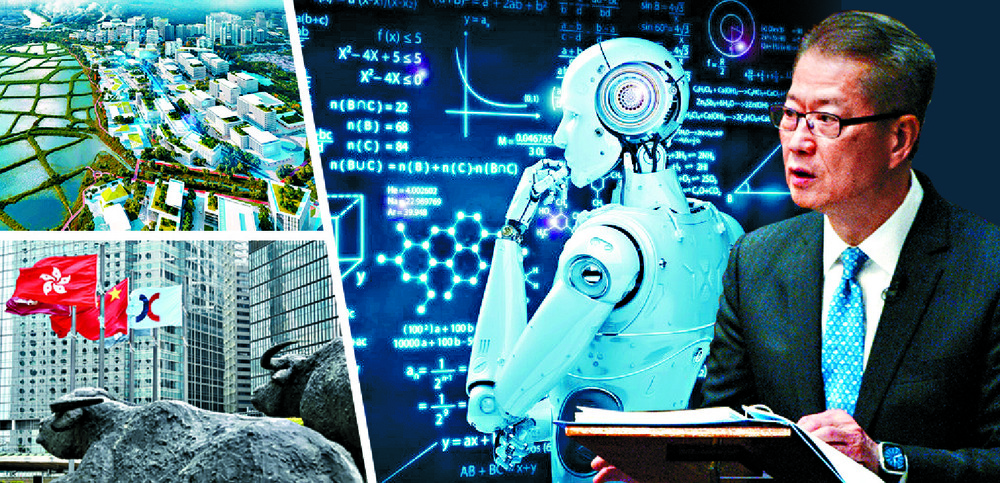
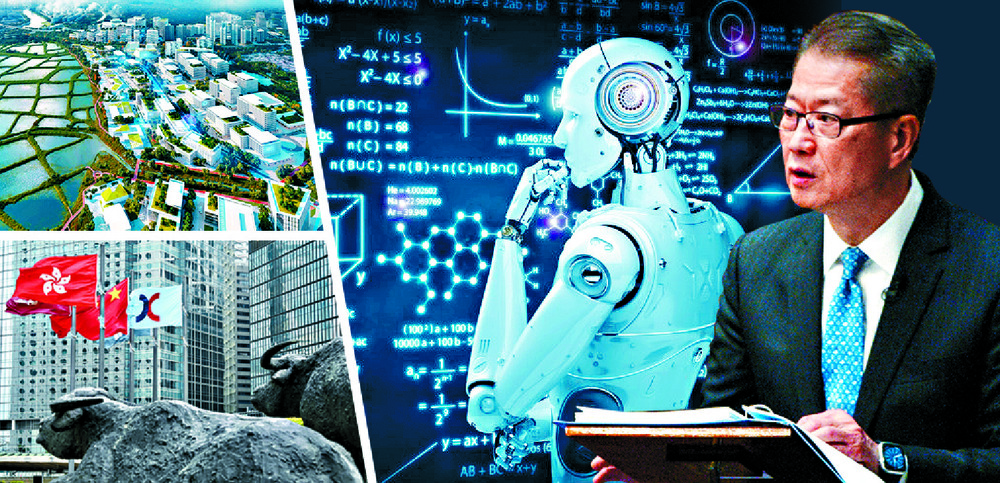
At the heart of Financial Secretary Paul Chan Mo-po's tech initiatives are a HK$1 billion investment in artificial intelligence development and a HK$10 billion Innovation and Technology industry-oriented fund, which is naturally great because AI is critical to future tech advancements.
However, the HK$1 billion investment in AI development is rather modest. If not due to budget deficits, would Chan have set aside more for this objective?
Where are the plans for partnerships, talent acquisition and related infrastructure development? The lack of all these is a concern.
The mainland is already a major tech powerhouse, having made significant strides in tech from AI innovations by DeepSeek to inventions in robotics by startups in Hangzhou, along with progress being made in building China's C929 passenger jet after launching the smaller C919.Hangzhou is considered China's next tech hub - following Shenzhen - as it houses the country's top six tech startups known as the "six little dragons."
Opportunities for collaboration is plenty. Hong Kong could adopt DeepSeek's cost-efficient models to boost its own AI development. It can also integrate with the mainland's growing robotics sector through joint ventures or talent exchanges.China is working on the C929 passenger jet following the C919 starting commercial services.
According to Chan, Hong Kong is set to position itself as a key service hub for maintenance and logistics in collaboration with the mainland's aerospace programs.It is often easier to talk the talk than to walk the walk. The success of the tech initiatives depends on implementation - and this is also where the challenges lie.
In the course of integrating with the nation's tech efforts, Hong Kong cannot avoid competing with mainland cities like Shenzhen and Hangzhou for the talent needed for the goal. This would require policy support to attract and retain talent.If permitted by the budget, the HK$1 billion investment would have to increase to strike a difference. The amount being set aside for AI is modest. Tech giants in the US and the mainland are pouring massive amounts of money into similar initiatives.
The proposed HK$10 billion I&T industry-oriented fund promises to channel more capital to invest in emerging and future industries of strategic significance. Clarity on the concerned infrastructure, regulatory support and private-sector engagement would be essential.With all this being said, it would halve the efforts to view Hong Kong's initiatives in isolation from the broader US-China tech rivalry that is making the case complicated before Chan.