Read More
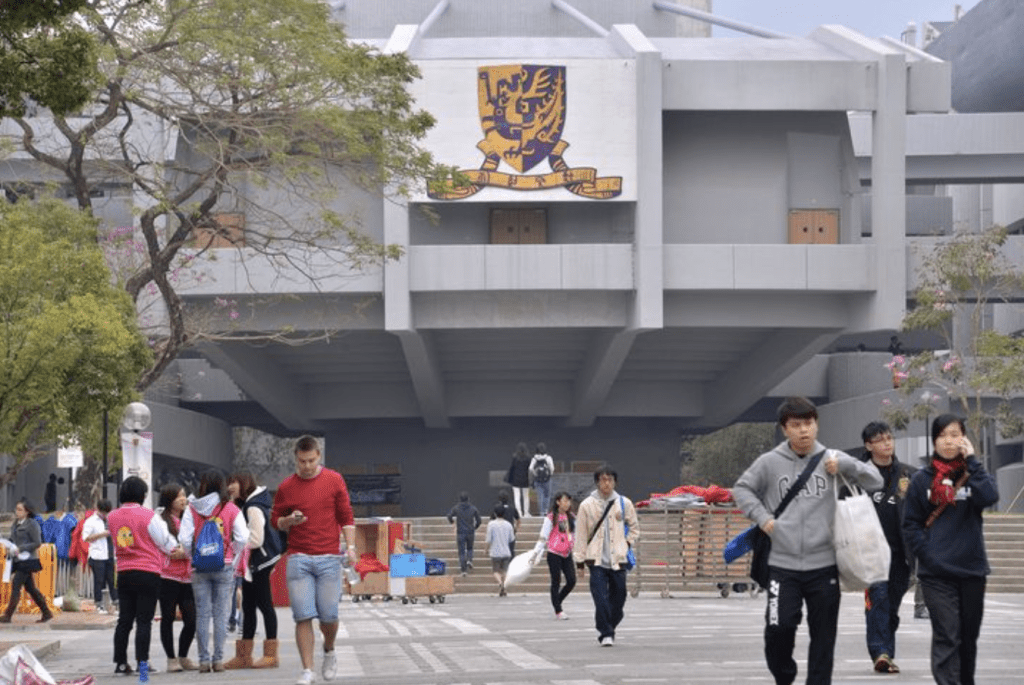
The Chinese University of Hong Kong's senate committee on student discipline may have been trying to show a level of kindness expected of educators when its members decided to deal leniently with an undergraduate accused of forging a sick-leave certificate and false death-registration records to keep his scholarship.
ADVERTISEMENT
SCROLL TO CONTINUE WITH CONTENT
The committee - chaired by New Asia College associate head Jimmy Lee Ho-man and made up of 20 academic and staff representatives, as well as nine student representatives - included details of the case in a circular.
However, it did not state the reasons for giving the lenient penalties that included suspending the student for two semesters and requiring him to submit a reflective letter.
In doing so, the committee was opening a can of worms.
The case immediately drew considerable criticism comparing the case with past incidents in which a number of students - mostly postgraduates from the mainland - were found to have falsified credentials to secure places at Hong Kong's universities.
Apart from listing the offenses, the committee's circular offered no personal particulars, nor did it indicate whether the undergraduate was a local, a mainlander or from elsewhere.
According to the circular, the student was found to have forged a sick-leave certificate to apply for absence from exams as well as false death-registration records to qualify for a scholarship exemption in order to continue to receiving it.
On the surface, it would be prudent to think the student was a high achiever in public exams when he was admitted to CUHK as an undergraduate, otherwise it would not have offered them a scholarship.
Once admitted, the student - like most others - would have to continue to perform well in order to keep the scholarship.
It is regrettable that the senate committee shed no light on the mitigating factors that its members were believed to have weighed before arriving at the decision on the suspension and self-reflection punishments that were all extremely lenient.
So what were the mitigating factors the members considered?
Unless the university is forthcoming on these considerations, it is difficult for it to defend the decision as even the committee had pointed out in the circular that the offenses in question were serious.
Yes, forgery is always a serious offense. Last year, a 24-year-old student from the mainland was sentenced to 17 weeks in jail for using false credential documents to secure admission to the renowned Business School of the University of Hong Kong.
In this current case, the CUHK student had not only forged a sick-leave certificate but also falsified death-registration records with a view to cheating CUHK on the scholarship.
Although the university is believed to have suffered no loss as the case had been discovered, the case involved double offenses and the senate committee should not be surprised by the outcry.
Committee members should know they are duty bound to deal seriously with any cheat.
Taxpayers, as well as the university's financial backers, will not be convinced unless there are very strong mitigating reasons to justify the leniency shown towards the student cheat.