Read More
Even though it would be imprudent to suggest violent attacks involving knives and vehicles are common in the mainland, recent rampages in the Chinese cities of Zhuhai and Wuxi were not only dreadful but also very disquieting.On a September morning in Shenzhen, a stranger walked up to a Japanese boy and stabbed him as he approached a Japanese school. The 10-year-old died from his injures.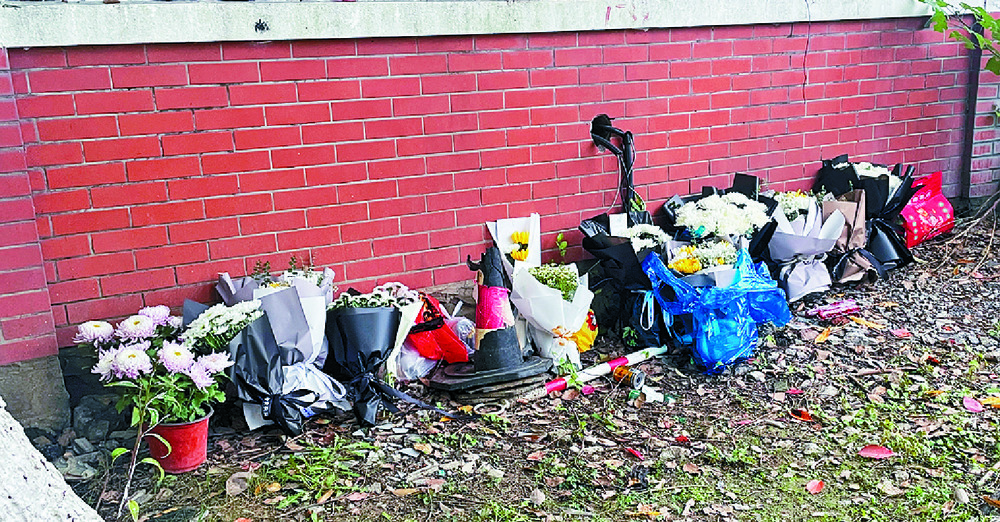
The two incidents were isolated but, nonetheless, they are the latest in a string of attacks involving bystanders apparently randomly selected.
ADVERTISEMENT
SCROLL TO CONTINUE WITH CONTENT
About a month later in Beijing, a man wounded five - including three children - in another knife attack near a local top primary school.
In Zhuhai last week, a 62-year-old man mounted his sports utility vehicle into a crowd exercising at a sports complex in the southern city, killing 35 and injuring dozens.
Local media reports suggested the driver had been divorced and was upset over the settlement.
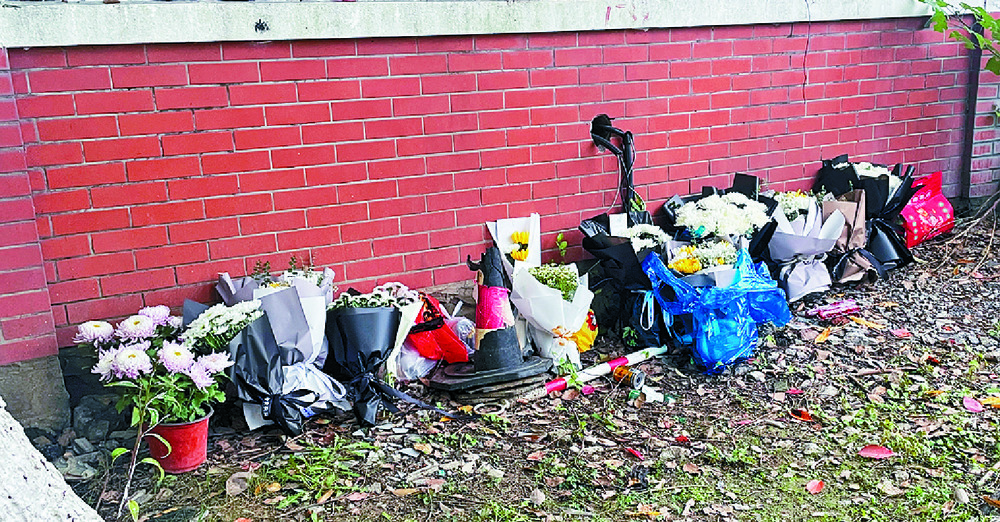
And on Saturday, a 21-year-old student killed eight and injured 17 in a stabbing rampage at the Wuxi Institute of Arts and Technology in Yixing city, Jiangsu province.The attacker reportedly had failed his graduation examination and was also angry over the pay he received as an intern.
These isolated horrific incidents share one thing in common: the sketchy information offered by the authorities for the public to try and understand the tragic events.Why did a stranger in Shenzhen walk up to a 10-year-old Japanese boy and stab him?
Why did the upset driver target the unsuspecting crowd at the sports complex in Zhuhai and mow down so many innocent bystanders?And why are there no more details about the Wuxi student who stabbed to death so many at the college?
While violent crimes are to be expected in any vast country, mass killings - or attempted killings - were not common in China until recently.The Zhuhai car rampage was so deadly and shocking that it alarmed the top leadership, with President Xi Jinping calling for strict punishment against the offender as well as prevention and control of the risks at the source.
Nonetheless, authorities at the same time apparently did their utmost to keep information from the public. For example, for almost 24 hours after the Zhuhai attack, the death and injury tolls were not disclosed.As state censors stepped up efforts to make sure every reference to the Zhuhai attack was erased from the internet in the first 24 hours, rumors that had gone viral on social media began speculating on the identity of the driver.
As rumors spread, netizens asked: was he an official?While the incident was heavily censored in the mainland, it was actively discussed on overseas social media.
If rumors are to be prevented from spreading, allowing public access to timely and accurate information is the best tool to stop such speculation.As Xinhua News Agency quoted the president calling for prevention and control of the risks at the source, it is also necessary for local officials to show respect for the community's right to know what happened.Floral tributes outside the college in Wuxi.