Read More






Beyond the boardroom: showcasing Hong Kong’s unique charm to the world
21-10-2026 05:30 HKT



Office lottery dispute leads to High Court lawsuit over $33m prize
26-10-2026 17:24 HKT
Local media breathed a sigh of relief in the middle of last year when the Court of Final Appeal ruled in favor of an appeal by RTHK freelancer Choy Yuk-ling over her access to vehicle ownership records in connection to an investigative documentary on the Yuen Long attack in 2019.
Choy, who was convicted in the lower court of making false statements to obtain the information, was vindicated by the top court.
The CFA then made it clear that there was no reason to exclude "bona fide journalism" from the phrase "other traffic and transport-related matters" while upholding that the transport commissioner was entitled to require the appellant - that is, Choy - to state her reason for requiring the vehicle particulars.
So, according to the judgment, media access to vehicle registration records is assured as long as it involves "bona fide journalism."
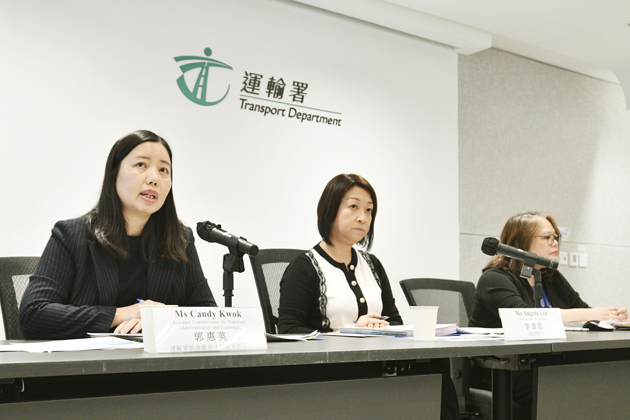
On Friday, the media sector frowned upon learning of new hurdles being put up by Transport Commissioner Angela Lee Chung-yan. She said the new hurdles, which takeeffect today, would strike a balance between privacy and public interest.
But vehicle record search is being made more difficult than easier.
When Choy made the search, the system at that time required the applicant to select one from three reasons for the search: transport-related legal proceedings; sale and purchase of a vehicle; and traffic and transport-related matters.
Following the changes coming into effect today, it has become specific, with seven particular reasons over which vehicle registration records may be accessed.
Journalistic use is not on the list.
It is true that the tightened mechanism provides a so-called exceptional channel. To access such records, journalists will have to write to the commissioner to set out various details, including the purpose of the information to be used, how the information will be released and what are the targets of the release.
The commissioner will then decide whether it would be in the public interest to grant the application.
The tightening has raised eyebrow - and not only because it causes great inconvenience to journalistic duties.
It could also go against the spirit of the top court's judgment, as commonly understood, when it could have been fairly simple for the authority to conform with the spirit without complicating the matter to such an extent.
Did the CFA not already state in paragraph 62 that "whilst such rights are not absolute and may be restricted where necessary, there is no reason to proceed from a starting point that bona fide journalism should be excluded from the phrase '[o]ther traffic and transport related matters'"?
Lee could have readily aligned with the CFA ruling by simply inserting a footnote to the original form to include "bona fide journalism" as a valid reason under "other traffic and transport-related matters" in accordance with the CFA's view.
What is "bona fide journalism"? It may refer to duties undertaken by registered media organizations, but it is not a privilege given to the media as a balance was already considered by the CFA.
Worse still, the hurdles being put up by the transport department set a poor example for company, land and other searches crucial to journalistic duties.