Read More


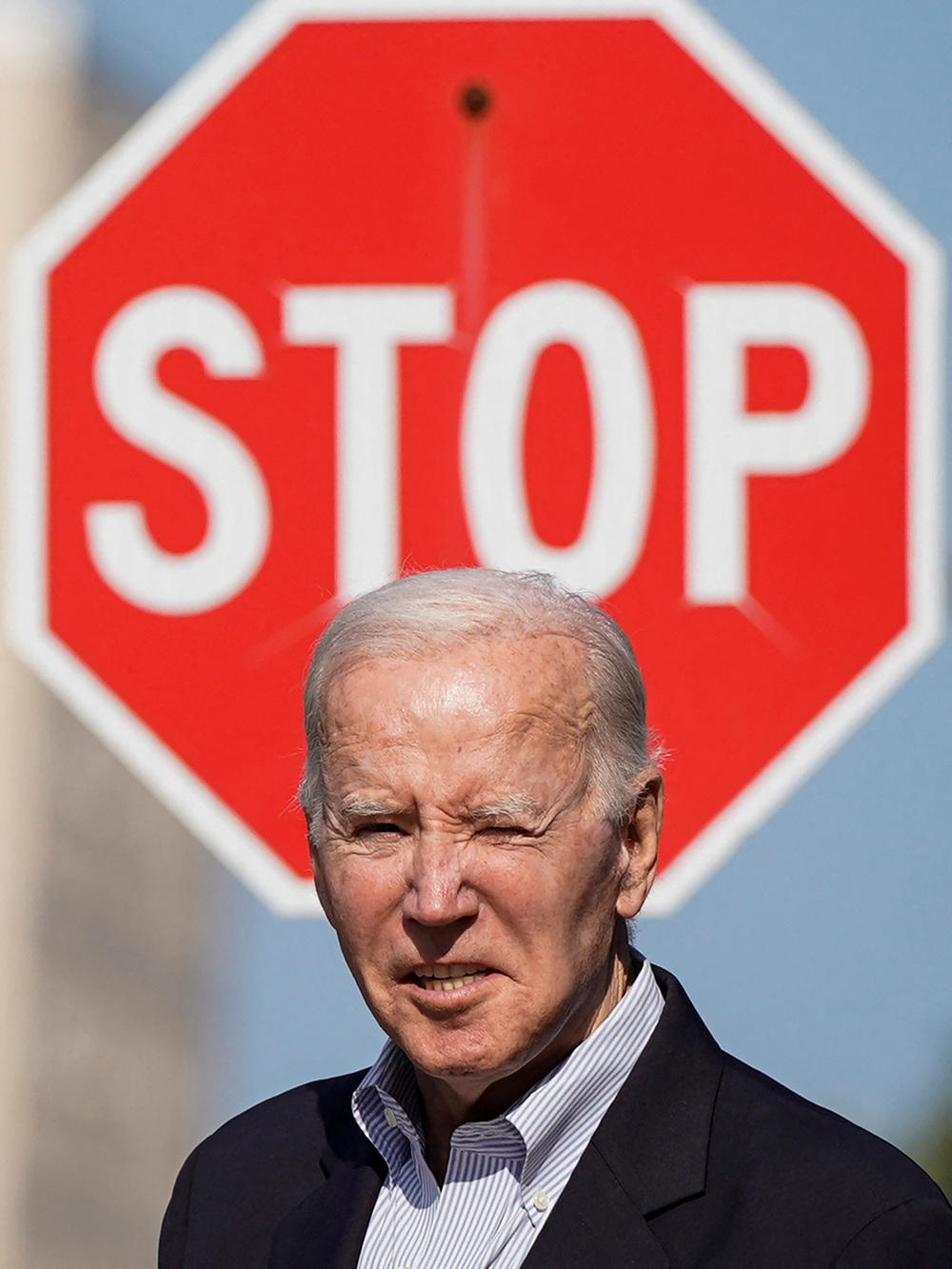
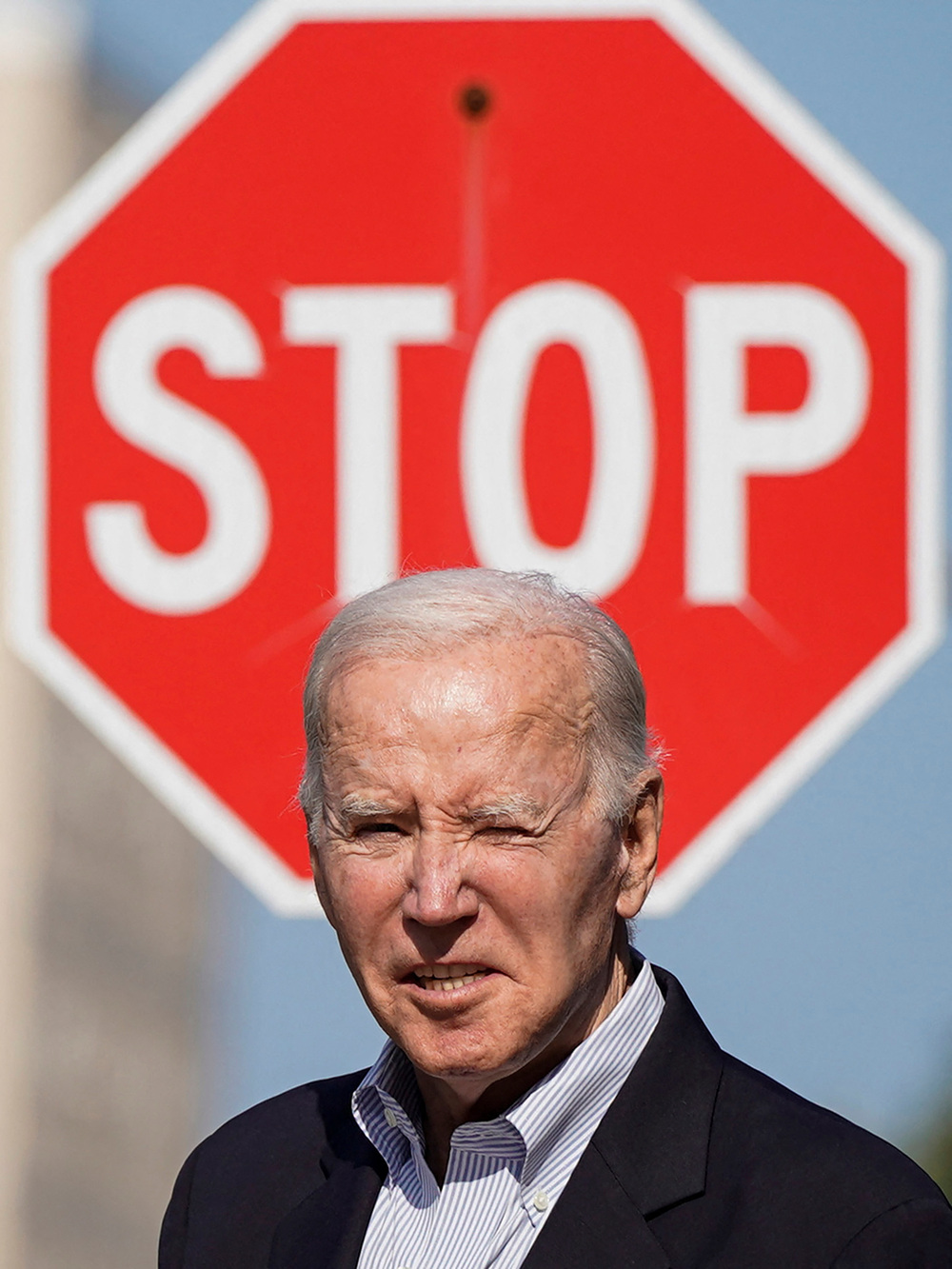
US President Joe Biden's administration has tightened the screw a little on China with an executive order banning new investments in several key technology areas including semiconductors, quantum computing and artificial intelligence.
Read the following figures and it will be clear that US investments in Chinese tech startups have been dwindling since 2021.
According to PitchBook data quoted by Reuters, US-based venture capital investment in Chinese technology startups stood at a high of US$32.9 billion in 2021.
It plummeted to just US$9.7 billion in 2022.
So far this year, the money US investors have put into China's tech startups has fallen to a low of US$1.2 billion.
It can be expected that, even if Biden had not formalized a ban with an executive order, new capital that Americans have been putting into China's technology firms will continue to sink to negligible levels.
As far as Americans are concerned, the order provides clarity on what may or may not be done in respect of key technologies.
So, will some US-based capital still keen on doing business in China increase their investments there in areas outside the restrictions now that the Biden administration has offered greater clarity on what they may not do?
That is probable.
For example, in response to past bans on top chips, leading graphic card maker Nvidia is churning out powerful - though less advanced - A800 processors in huge quantities to cater to demands from Chinese tech giants including Baidu, ByteDance, Tencent and Alibaba.
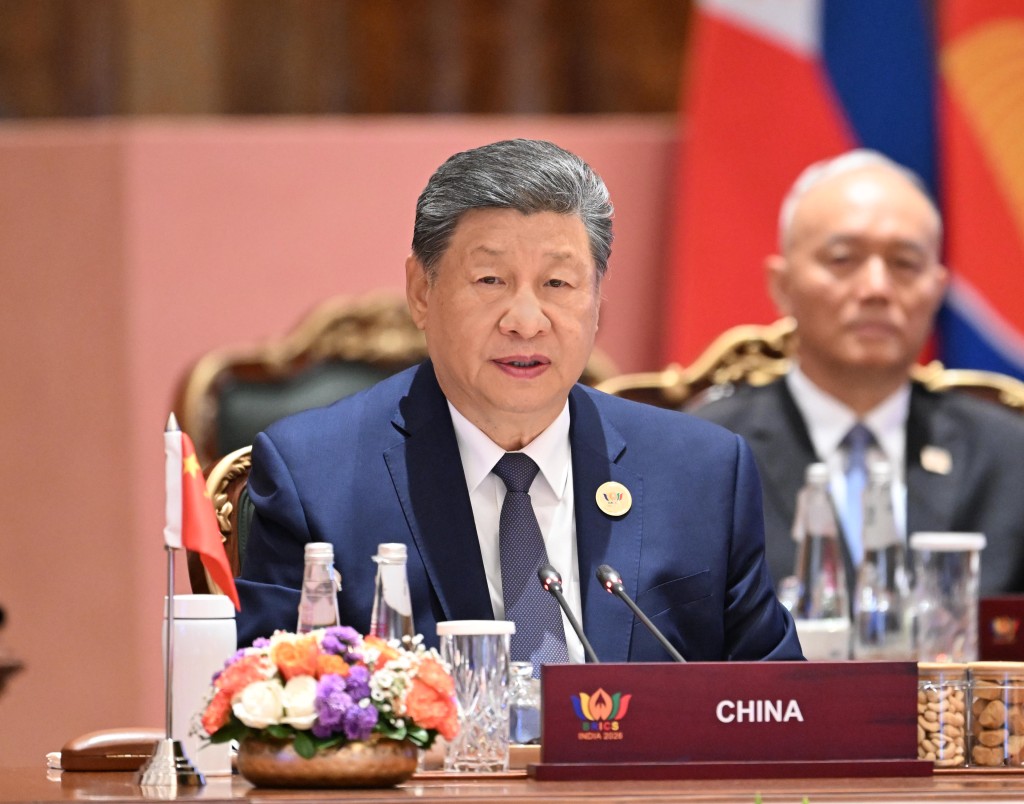
Meanwhile, although the Chinese foreign ministry expressed "resolute opposition" to Biden's latest order, it is clear to Beijing that it can no longer rely on US capital to finance its ambitious technology programs that are extremely expensive to maintain.
China has invested heavily in making its own advanced chips but has been less than successful.
The executive order as issued by Biden may aim at something else as US capital investments in Chinese tech firms have already hit the brake.
In restricting China's access to US capital for technology development, Biden could be setting an example for his allies to follow suit, including the UK, European Union and Group of Seven.
It has been reported that, as the Group of Seven met in June, members agreed to include restrictions on outbound investments in their toolkit targeting China.
British Prime Minister Rishi Sunak also reportedly promised Biden when they met in Washington in June that the UK would respond effectively to the risk of British capital and expertise helping rival countries develop a military or intelligence threat.
But these allies have been lukewarm in practice.
In addition to providing clarity to US investors, the executive order also provides clarity to its allies.
Will the UK, EU and other members of the Group of Seven be responsive to the investment ban?
That will be a key aspect to monitor.
Rather than dealing with Washington, Beijing may instead work to prevent these countries from falling in line with the US.
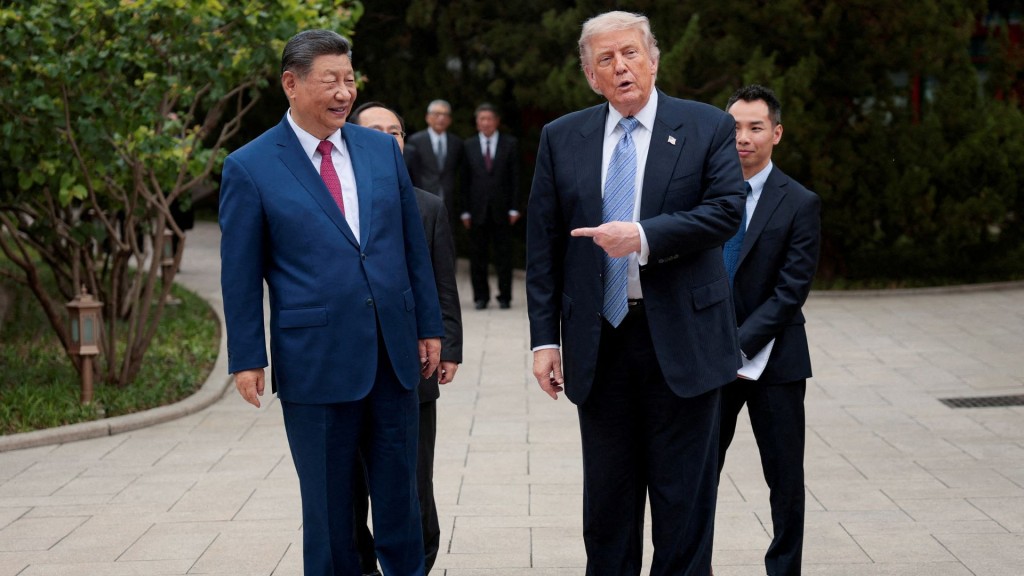
The executive order is not the end of the story but the beginning of a new episode in the ongoing Sino-US conflicts.