Read More
The Nanjing Massacre that slaughtered 300,000 people over six weeks was an evil war crime that, like the Holocaust in Europe, has been permanently set in history and cannot be erased.
ADVERTISEMENT
SCROLL TO CONTINUE WITH CONTENT
These, and other crimes against humanity, must be remembered to avoid such atrocities happening again.
When Hong Kong students were made to follow their mainland counterparts to officially observe the anniversary of the Nanjing Massacre for the first time in the SAR's history, it unfortunately raised man eyebrows, including those of many patriots within the establishment.
It was not about the new demand to observe the anniversary, but the guidance - or, rather, lack of guidance - that local education bureaucrats gave to the schools. As a result, a legitimate cause was overtaken by a storm of public criticism.
The country's official commemoration was held in Nanjing. On that day 84 years ago, Japanese occupation troops began six weeks of horrific killings in Nanjing city, with an estimated 300,000 people slaughtered.
Most of the victims were beheaded, stabbed in the heart or gunned down in mass public executions.
Many of the scenes were filmed, but the footage is so graphic that any normal-minded person would not show such extreme images to children.
To many people's disbelief, the Education Bureau included this graphic material in the teaching kits intended for use by primary schools. It was the first time that many schools had received such teaching materials.
Even worse, at least one primary school showed the graphic footage to pupils as young as six.
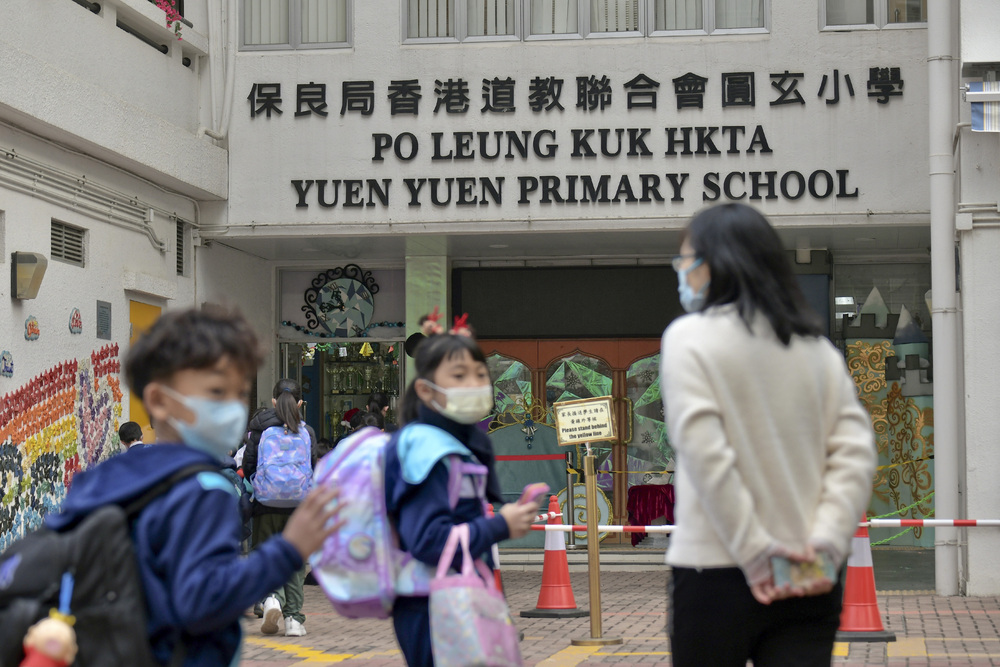
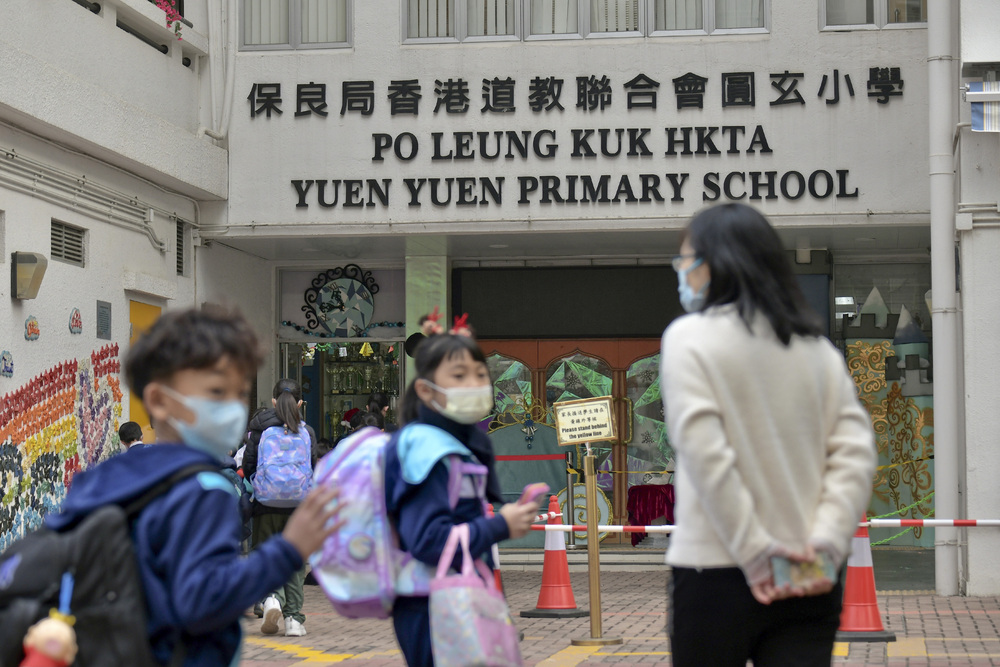
As of yesterday, only the Po Leung Kuk Hong Kong Taoist Association Yuen Yuen Primary School in Tuen Mun was reported to have made its pupils watch the massacre footage that many adults would find too bloody and disturbing to watch.
It was a mindless mistake of double degree.
The first problem was about the Education Bureau guidelines that came with the teaching kits as it was not clear whether or not there was any guidance at all on how to use the materials.
Then came the failure of the second degree - the school management's failure to exercise its discretion in selecting which material to use and which not to use.
According to an Education Bureau statement following the public outcry, schools were free to select the materials they believed to be suitable for the occasion.
Apparently, the school failed in this respect.
Most unfortunately, Education Secretary Kevin Yeung Yun-hung raised more eyebrows when his bureau denied having done anything improper in this fiasco, trying to pass the blame entirely on the Tuen Mun school.
I wonder if the school would have acted differently had education officials been clear enough to the schools that they might pick whichever materials to use.
At the very best, what we have seen was a typical case of communication breakdown between the Education Bureau and schools.
At worst, it was a whitewashing attempt by the government to gloss over an oversight.
Whatever the case, the bureau must learn from the lesson, just as we do, from history.