Read More


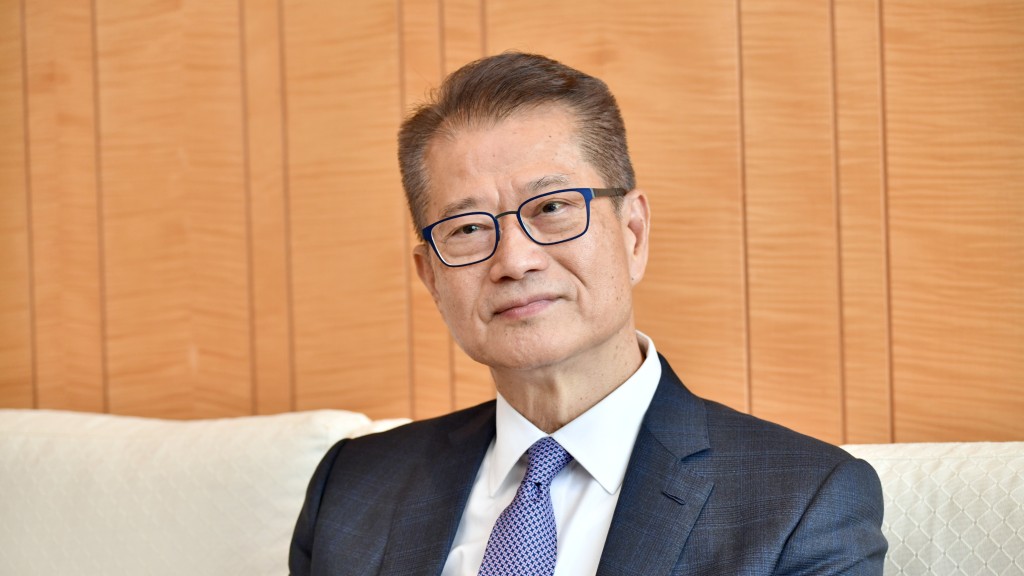

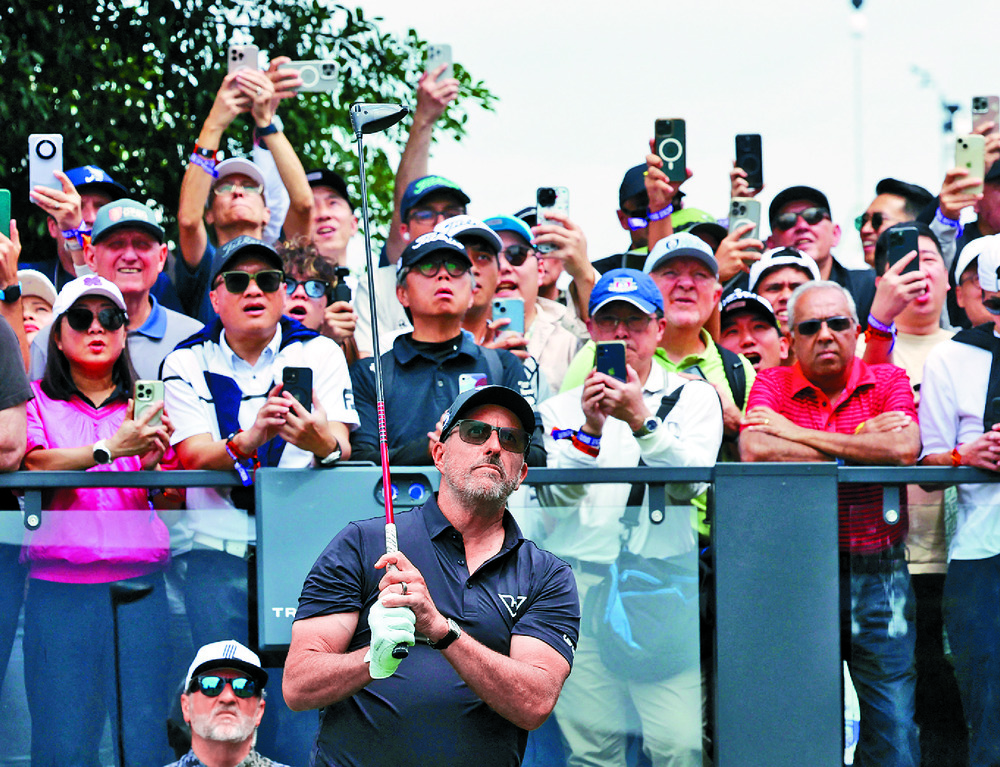
Event series "Super March" has successfully boosted tourism and revitalized the local economy, Financial Secretary Paul Chan Mo-po said, adding that Hong Kong welcomed more than 3.4 million visitors by March 21 - a 12 percent year-on-year increase that included about 960,000 overseas tourists.
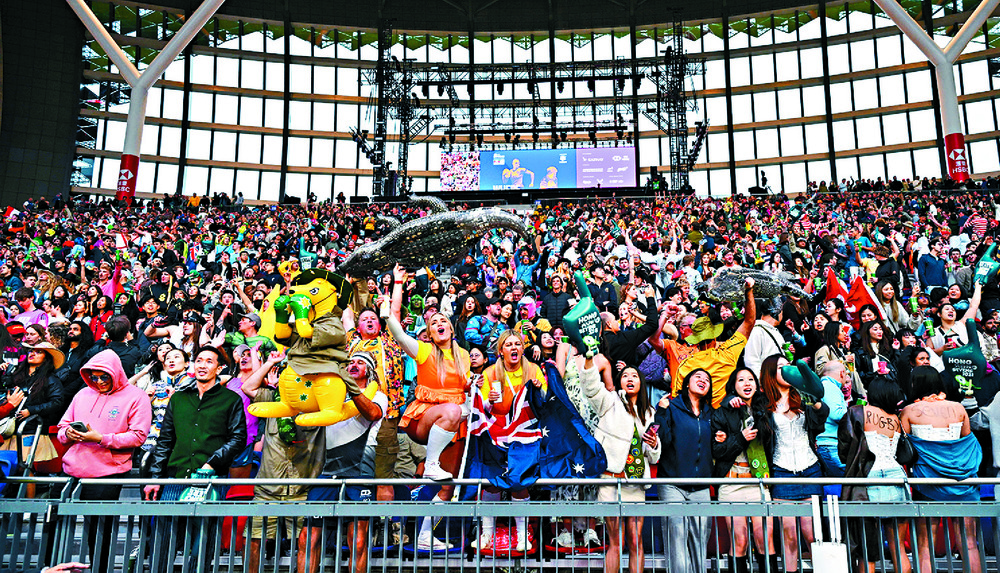
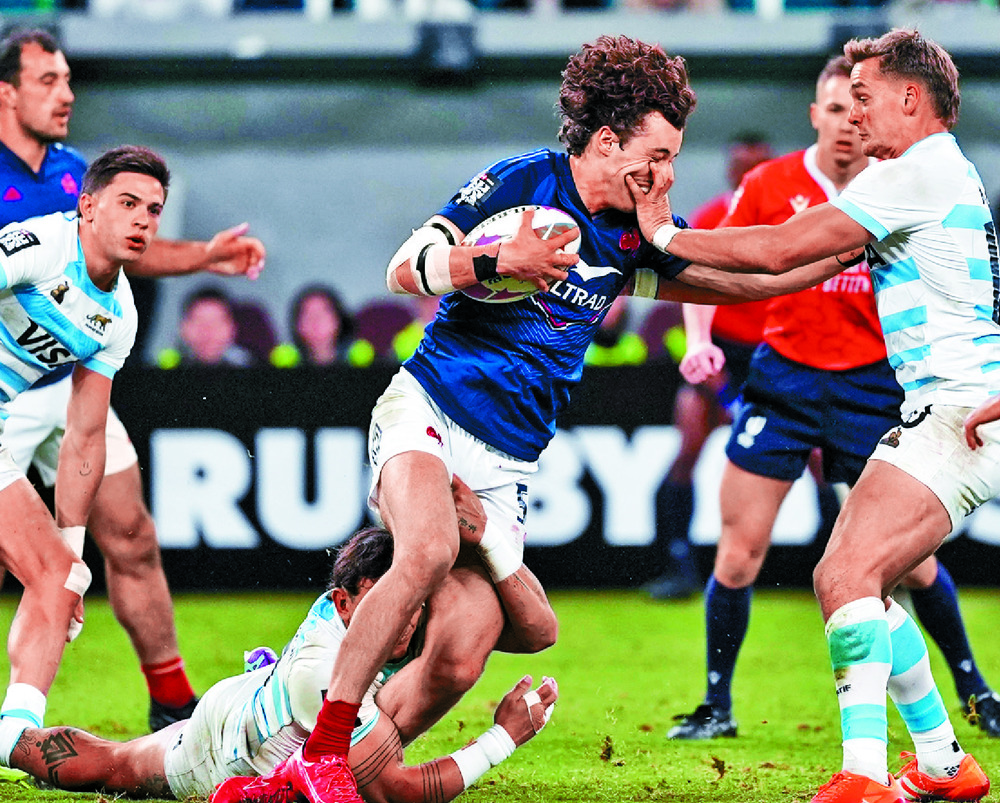
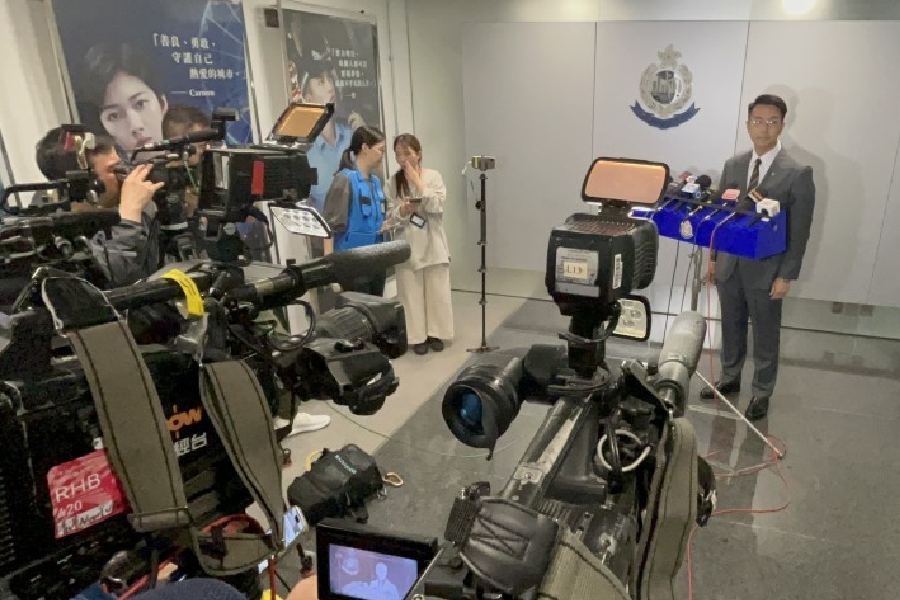
The Sevens attracted a record-breaking 140,000 spectators, with all 60 corporate boxes fully booked. "The Sevens brought March's excitement to new heights," Chan wrote, noting that business executives attending concurrent financial events had eagerly made time to enjoy the matches.
Retailers reported increased customer traffic, while bars and restaurants in Tsim Sha Tsui, Central and Wan Chai were filled with enthusiastic fans.
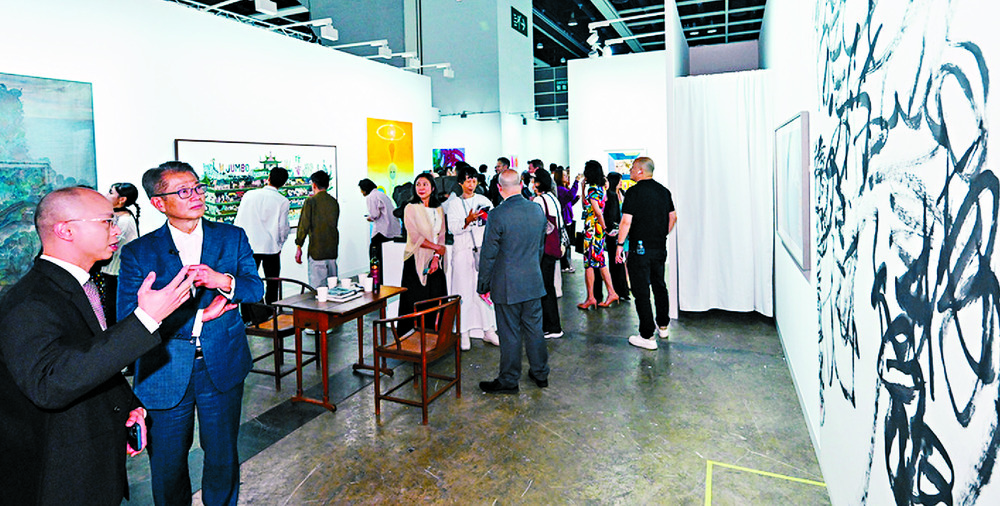
"Shared beers and cheers create connections - this energy captures Hong Kong's unique appeal," Chan said. He added that cultural events like Art Basel and ComplexCon provided additional momentum.Art Basel Hong Kong, which concluded yesterday at the Hong Kong Convention and Exhibition Centre, featured 240 galleries from 42 countries, including 20 first-time exhibitors from Europe, Australia, Central America and Africa.
Chan said many galleries reported strong sales, with some artworks selling out during previews, and organizers expect this year's attendance to exceed last year's 75,000 visitors.Chan added that ComplexCon attracted 35,000 attendees, a 16 percent year-on-year increase, and posted HK$87 million in sales. The government-hosted "Wealth for Good" summit and other financial conferences also drew thousands of international bankers, investors and family office representatives.