Read More
President Xi Jinping has criticized NATO for its "flagrant" bombing of the Chinese embassy in Yugoslavia in 1999, warning Beijing would "never allow such tragic history to repeat itself."
ADVERTISEMENT
SCROLL TO CONTINUE WITH CONTENT
Xi was writing in Serbian daily Politika ahead of arriving in the Serbian capital Belgrade, on his first visit to Europe since the pandemic.
His visit coincides with the 25th anniversary of the bombing, which was blamed on a CIA mapping error.
"Twenty-five years ago today, NATO flagrantly bombed the Chinese embassy in Yugoslavia, killing three Chinese journalists," Xi wrote. "This we should never forget. The Chinese people cherish peace but we will never allow such tragic history to repeat itself."
He also hailed the "iron-clad friendship" between China and Serbia.
Xi is expected to arrived in Belgrade early today after a state visit to France, which saw robust exchanges with President Emmanuel Macron on topics including the Ukraine war.
His next two European stops - Serbia and Hungary - are seen as among the most sympathetic in Europe to Moscow, which invaded Ukraine in February 2022.
China has poured billions into Serbia and Balkan countries, particularly into mining and manufacturing, and last year Beijing and Belgrade signed a free trade agreement.
The Western military alliance had launched the air war to force then Serbian strongman Slobodan Milosevic to end a brutal onslaught against ethnic Albanian rebels in Kosovo.
The United States at the time apologized and said the bombing was a mistake that happened due to faulty intelligence, saying it was the headquarters of a Serbian state arms exporter located on the same street that was the target.
"Imagine that somebody would, even by accident, strike an American Embassy ... The reaction would be immediate," said Sven Biscop, a professor of European foreign and security policy at the Ghent University and Egmont Institute.
"So for a country like China, it is also clear that this is a big thing."
Angry protesters in China stormed US diplomatic installations amid speculation that the attack was intentional.
"We will probably never really conclusively know either way," Biscop said. "In war, incidents like that do happen."
While straining Beijing's relations with Washington, the bombing brought China and Serbia closer together. China has emerged as Serbia's largest provider of foreign direct investment and its second-largest trading partner after the European Union.
Beijing opposed the NATO bombing campaign and has since backed Belgrade's bid to counter the Western-backed push for independence in Kosovo, a former Serbian province. In return, Serbia has been a loyal ally to Beijing and has opened its doors without restraint to billions of dollars of Chinese investment, even as it seeks European Union membership.
"The friendship forged in blood between the peoples of China and Serbia has become the common memory of the two peoples and will inspire both sides to move forward together," Xi wrote.
In Belgrade, a huge Chinese flag was placed on a skyscraper. Smaller Chinese and Serbian flags could be seen downtown and along a highway. Xi will arrive from France and will later travel to Hungary as part of his first European tour in five years.
He is expected to visit the site of the former embassy on the anniversary date and pay his respects to the bombing victims.
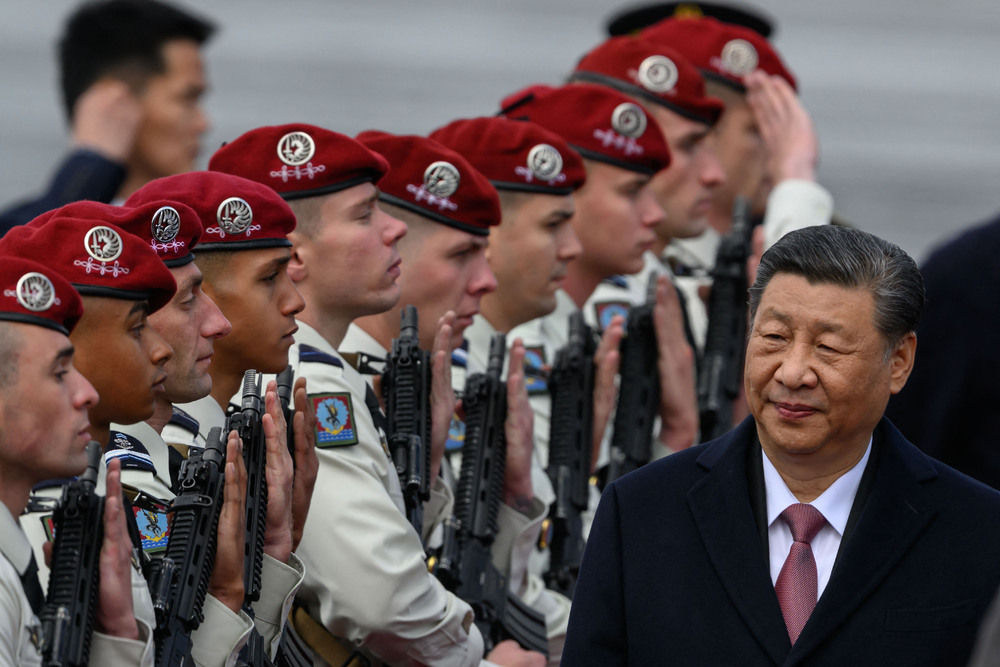
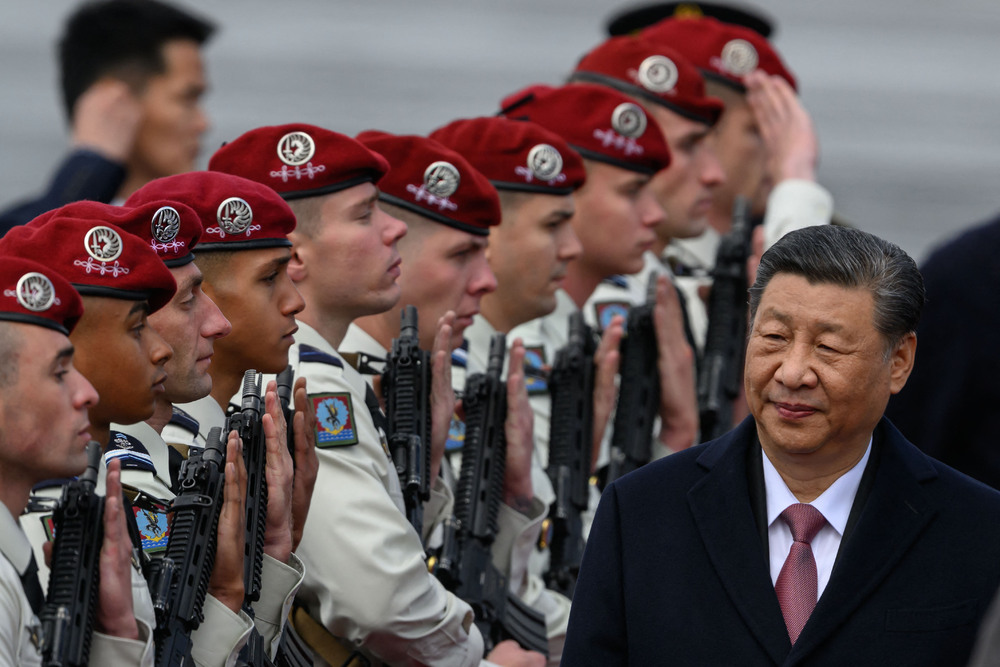
Xi Jinping walks past an honor guard upon his arrival at Tarbes' airport as part of his two-day visit to France. AFP
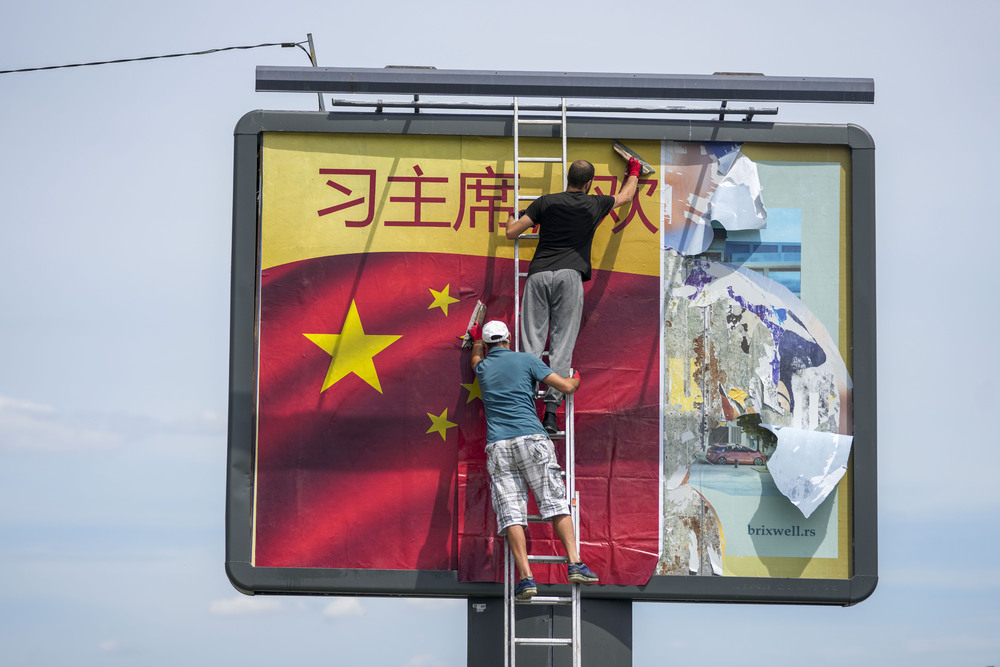
Workers stick a Chinese national flag on a billboard in Belgrade. AP