Read More


HK braces for natural gas shortage
1 hour ago

Morning Recap - April 2, 2026
2 hours ago



Six senior counsel appointed
31-03-2026 13:54 HKT
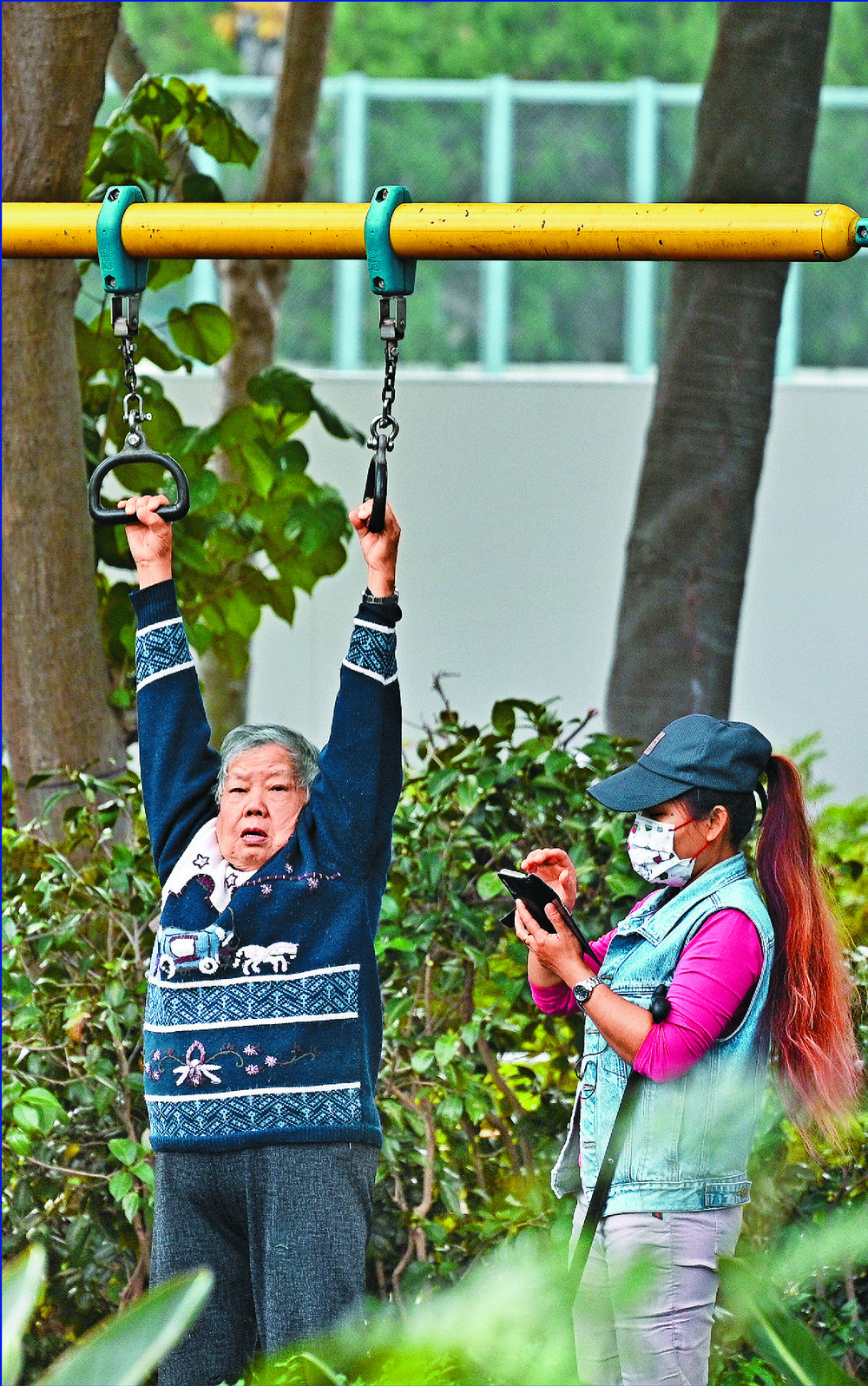
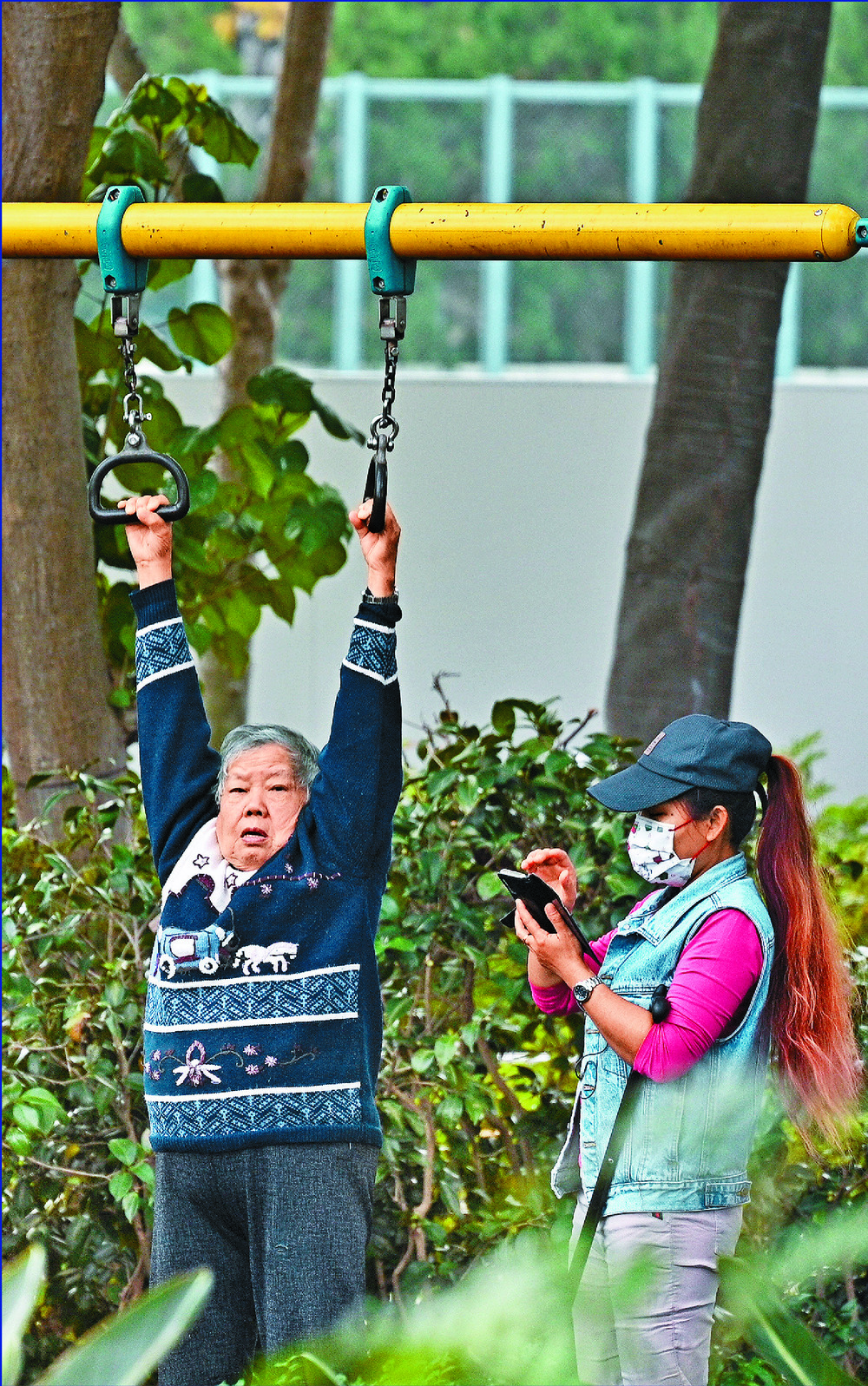
Hongkongers now live longer but suffer disability problems in old age, Chinese University medics have found.
Life expectancy increased in adults aged 65 between 2007 and 2020. Results found they, on average, lived up to age 87 in 2020, 3.7 years longer than age 83.3 in 2007. Females of the same age could live to 89.8, which was 2.1 years up from age 87.7 in 2007.
The proportion of life spent with a disability for 65-year-old females increased to 33.7 percent in 2020, compared to 28.1 percent in 2007.
Roger Chung Yat-nork, associate professor at Jockey Club School of Public Health and Primary Care, said: "Life expectancy considers only quantity but not quality of life, so improved life expectancy does not necessarily reflect a better state of health."He added that health life expectancy, which is defined as the average number of years a person can expect to live in full health, is now broadly used to reflect the life quality of individuals, as the team used disability-free-life expectancy to evaluate the disability burden and the progress of healthy aging.
The estimated DFLE increased more slowly, by 1.8 years in men and only 0.1 in women between 2007 and 2020. The DFLE of men aged 65 increased to 16.3 years in 2020, which means they could only live in full health until age 81.3, compared to age 79.6 in 2007. DFLE of women increased to 16.5 years in 2020, compared to 16.4 years in 2007.Gary Chung Ka-ki, research assistant professor, said results "imply a substantial increase in the proportion of life spent with a disability, leading to an expansion of disability burden among the Hong Kong population.
"Our study affirms that it is inadequate to focus on [life expectancy] alone, which may be a facade that conceals problems related to the burden of disease," he said, adding that DFLE could offer "a more comprehensive picture of health equity situation."Results also showed that DFLE normally increases by 0.81 years and life expectancy by 0.68 years per 10 percent increase in the proportion of elderly with secondary education or above across the 18 districts.
This shows "socioeconomic inequalities in health expectancy across districts," Chung said. "It highlights inadequacies of current efforts to address underlying social determinants of health with an equity focus. Our findings underscore the urgent need for comprehensive policy approaches to promoting healthy aging for all in HK." ayra.wang@singtaonewscorp.com