Read More



Morning Recap - October 20, 2026
7 hours ago
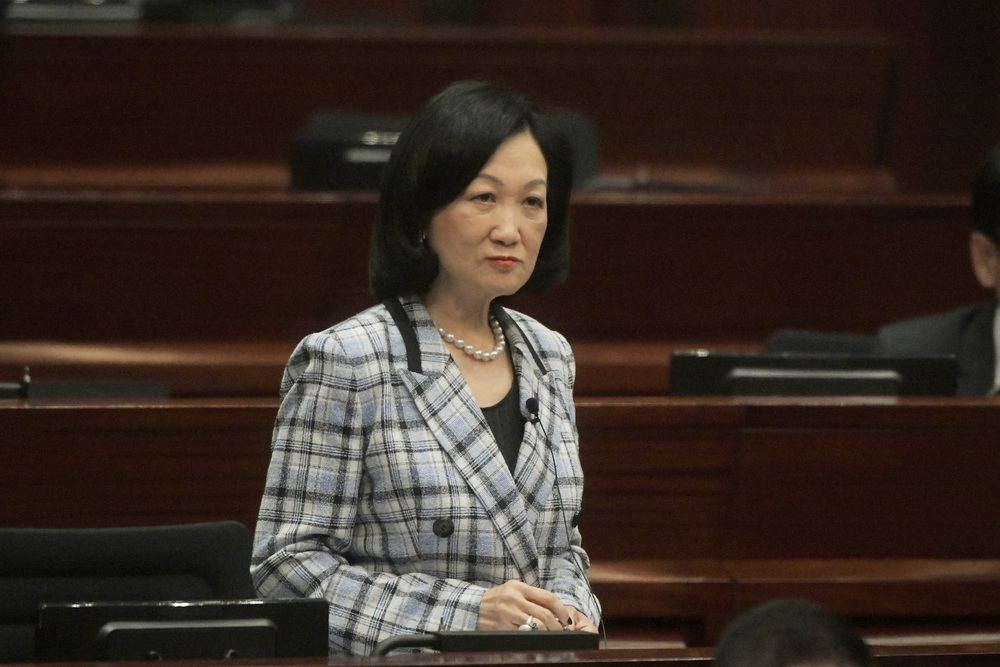
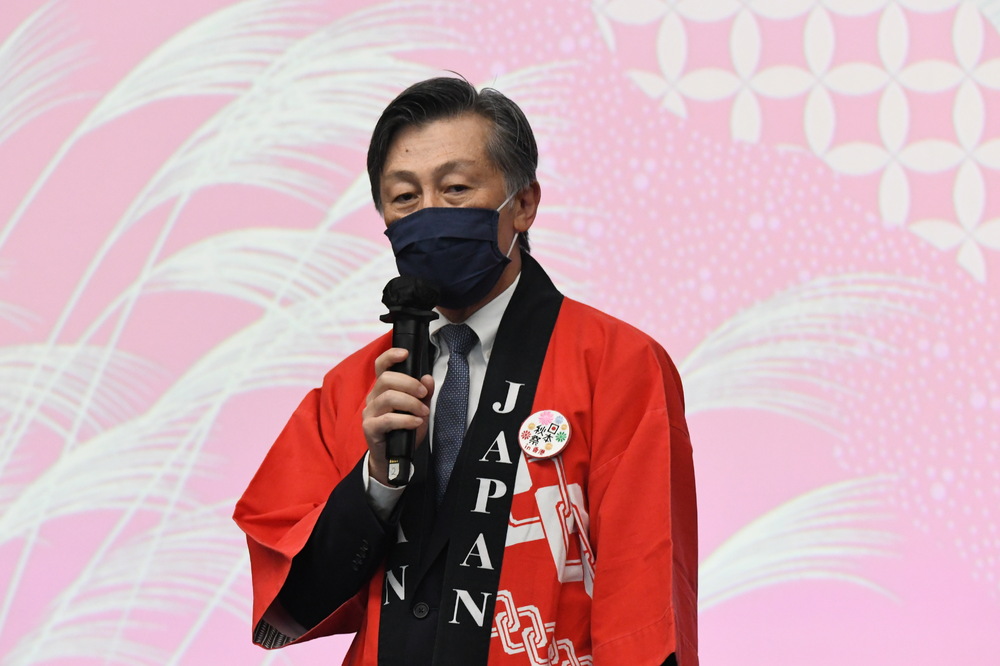
The convener of the Executive Council, Regina Ip Lau Suk-yee, has blasted Japanese consul general Kenichi Okada for linking the release of wastewater from the Fukushima nuclear plant to one country, two systems.
And Chief Executive John Lee Ka-chiu said marine products from more Japanese prefectures will be banned if Tokyo goes ahead with the plan.
Japan aims to discharge nuclear wastewater into the Pacific Ocean this summer and will keep doing so for some 30 years.
Ip told reporters that she met Kenichi yesterday and reiterated to him that Japan should not discharge the wastewater without obtaining a consensus in the international community.
"The International Atomic Energy Agency's report has failed to reflect the opinion of all involved experts, and Japan should not treat the report as a permit for its forcible discharge proposal," Ip said.
The agency report released last week said Japan's plans were consistent with international safety standards and that they would have a "negligible radiological impact on people and the environment" if executed according to the plan.
Ip said Japan should respect the Hong Kong government's stance as it was backed by the international community, and it was the right move in safeguarding the health of its population.
She condemned Japan for linking the discharge with one country, two systems.
Ip told Okada she found it unacceptable that Japan had been "quibbling" about Hong Kong "blindly" following the Beijing government for an import ban on Japanese food.
China's customs authority announced last week it would ban food imports from 10 Japanese prefectures over the Fukushima nuclear wastewater release.
Ip said: "Don't let the consequence of the Fukushima nuclear disaster affect the future generations of all humankind."
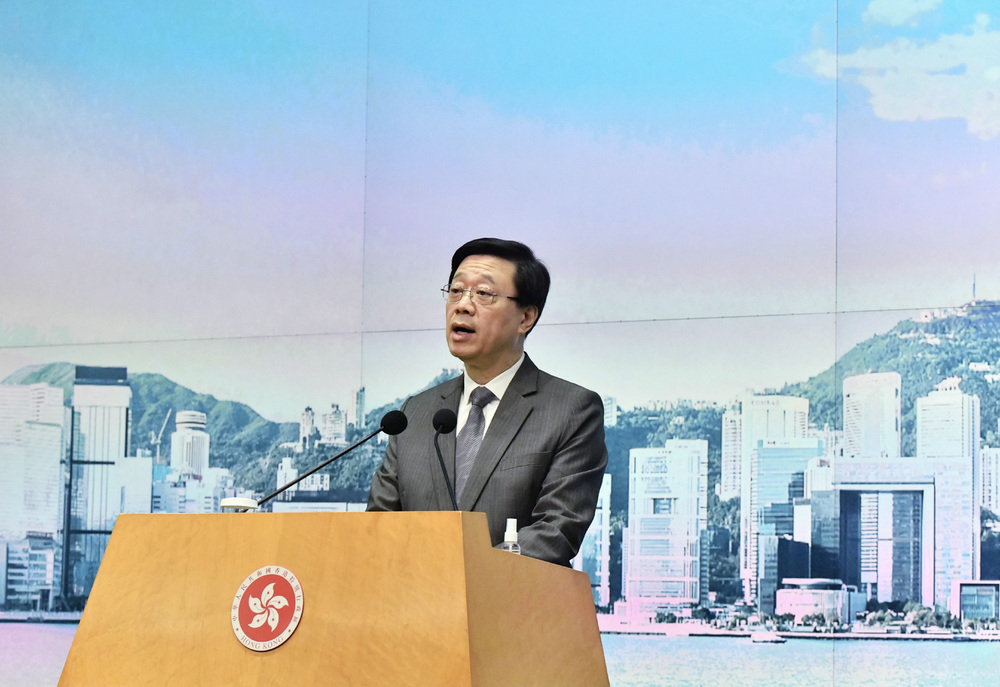
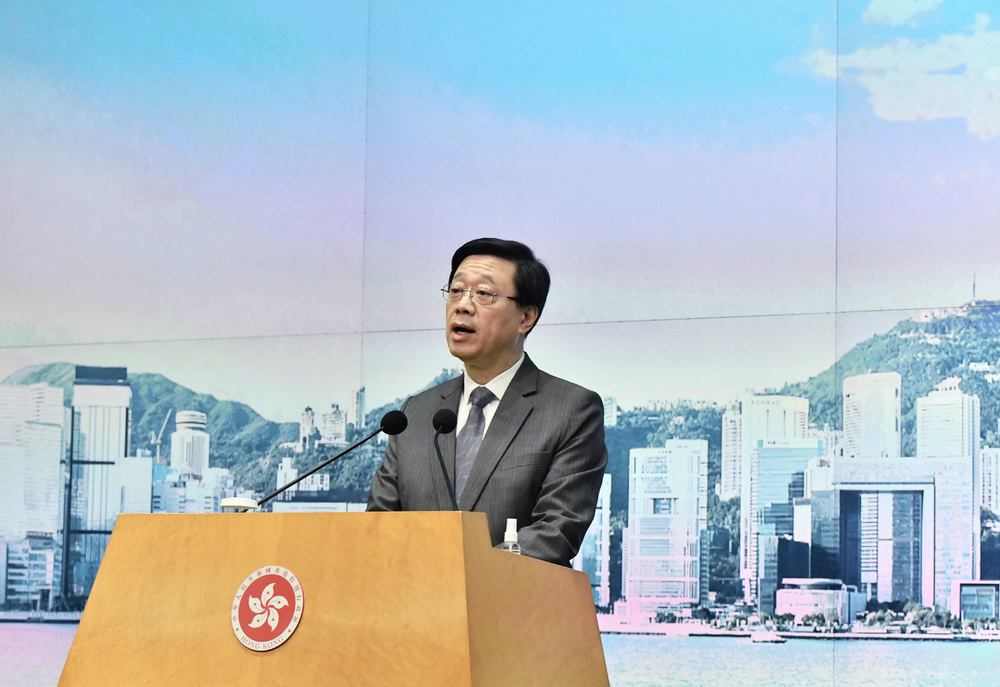
Earlier in the day, Lee said: "If the [discharge process] really starts, we'll be banning a large number of prefectures' sea products beyond the present scale."
He added that Japan's plan - discharging contaminated water into the sea 24 hours a day - is unprecedented and the risks posed to other areas are unknown.
Lee said no expert could guarantee the plan would not harm food safety, particularly when the consequences of consuming radioactive food might take years to be seen until a person's health is seriously affected.
He said Hong Kong had banned sea products of one prefecture, and authorities carried out thorough radioactive checks on the food products of four other prefectures. "We will definitely go beyond that," Lee said.
He has tasked Secretary for Environment and Ecology Tse Chin-wan to form and lead a multidepartment team to design an action plan. Lee admitted that expanding the ban would affect the catering industry, but added the government attaches great importance to food safety and people's health.
"This is an issue that I have to take seriously because it affects the present population, and will also affect the next generation, our children. We will be taking decisive action," Lee said.
The chairman of the Advisory Council on Food and Environmental Hygiene, Kenneth Leung Mei-yee, said marine creatures that lived at the bottom of the sea, such as some shellfish, could be exposed to relatively high levels of radiation.
But he said the public should not to worry much as the highest risk from the reactor meltdown of the power plant caused by the earthquake in March 2011 had already passed.
Authorities would reveal details in two weeks of a monitoring scheme against Japanese aquatic products.
Meanwhile, Chinese diplomat Shi Qi called on Japan to scrap its plan at the session of the United Nations Human Rights Council in Geneva.
eunice.lam@singtaonewscorp.com