Read More
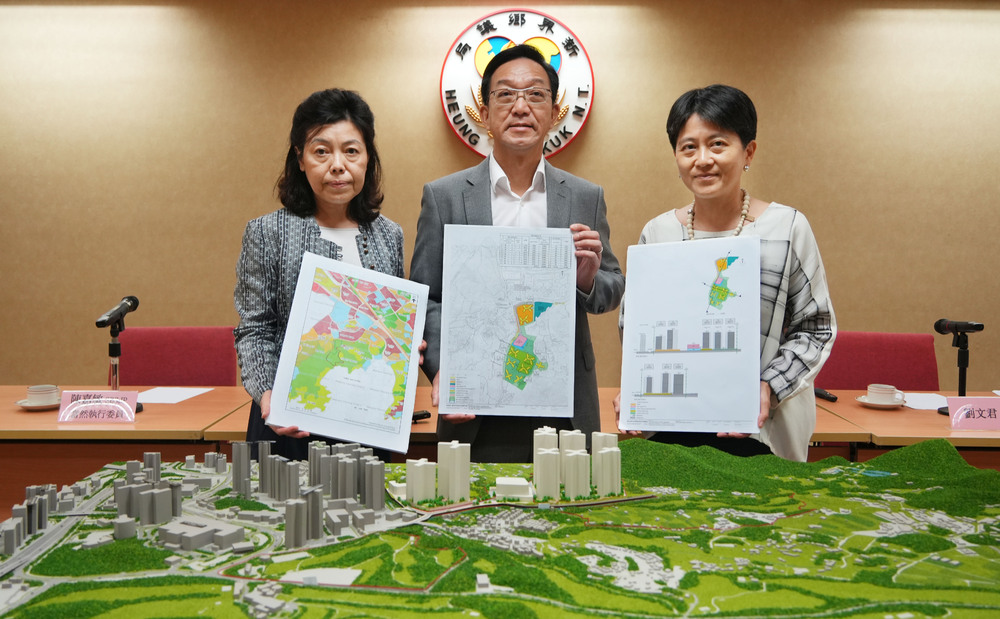
At least 12,000 public housing units with an average size of 457 square feet can be built on idle land in Ping Kong Village in Sheung Shui, next to the Hong Kong Golf Club in Fanling.
ADVERTISEMENT
SCROLL TO CONTINUE WITH CONTENT
The Heung Yee Kuk made the proposal as an alternative plan to converting part of the golf course into a public housing estate.
This came after the government on Monday rezoned the proposed 9.54-hectare public housing site at Fanling golf course to "undetermined."
Heung Yee Kuk chairman Kenneth Lau Ip-keung said yesterday the authorities will not have to move old and valuable trees when developing the area in Sheung Shui, which makes it a better choice than the golf course.
The agricultural land in Ping Kong Village is flat and easier to develop, Lau said, adding there will also be supporting facilities including schools, restaurants and bus stations.
He said nine public housing buildings could be built on the 8.5-hectare area. The buildings, from 31 to 46 stories high, could provide 12,188 units with an average size of 457 square feet.
The plan was proposed by villagers and the Heung Yee Kuk authorized architects to polish the development plan.
Lau also said the village is not well connected by public transport at the moment and traffic congestion can be improved if the government adopts the plan and builds supporting transport facilities for the area.
The area can be developed faster than the 32-hectare land the government takes back from the golf course, he said.
Asked if the plan can become an alternative to the government's plan on the golf course, Lau, who is a member of the Hong Kong Golf Club, said the government has completed research to make the decision to take back the land.
But he said the land on the golf course can be developed for leisure use before turning into a residential area.
Lau also expects the Legislative Council to pass the bill to streamline development procedures, which can shorten the time to take back idle land.
But the Development Bureau has not approached Heung Yee Kuk for the plan so far, he said.
The government will take back 32 hectares of land from the golf course in September, with nine hectares intended for 12,000 public housing units.
But the authorities on Monday revised the nine-hectare land to an "undetermined use" zone from the previously stated "Residential (Group A)" so that they can make adjustments and reviews on the housing design layouts.
A development plan of the area is expected to be submitted to the Environmental Protection Department by the end of next year.
Brian Wong Shiu-hung, a member of the Liber Research Community, said it was unusual for the government to make a procedural concession.
He said: "Since the government still intends to build a housing estate on the land, it's always a residential area and the government does not have to change it from a residential area to an undetermined zone. The change makes people doubt whether the government will still build public housing there."
The executive director of the Federation of Public Housing Estates, Anthony Chiu Kwok-wai, said the 12,000 proposed public housing units on the golf course were expected to be completed by 2029 and account for three percent of the government's housing strategy.
"Some people suggested the government should build housing estates in the Northern Metropolis as an alternative, but there is no clear development timetable for it. It is unclear which land can be used to replace the golf course land," he said.
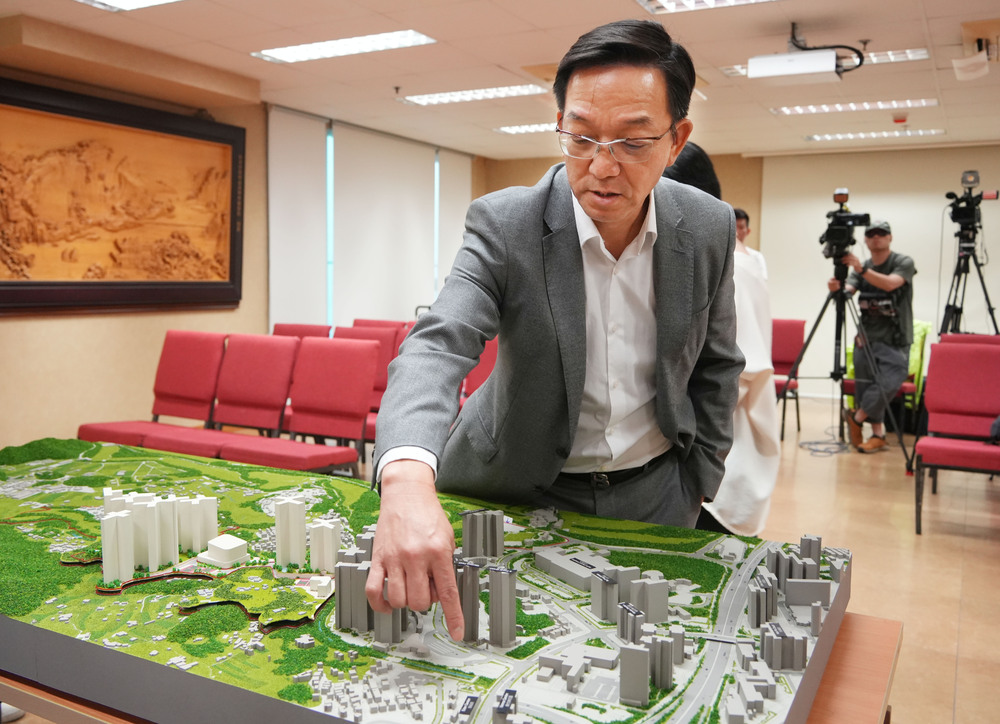
Kenneth Lau says there's no need to move old and valuable trees when developing the area in Ping Kong Village, which makes it a better choice than the Hong Kong Golf Club course in Fanling.