Read More
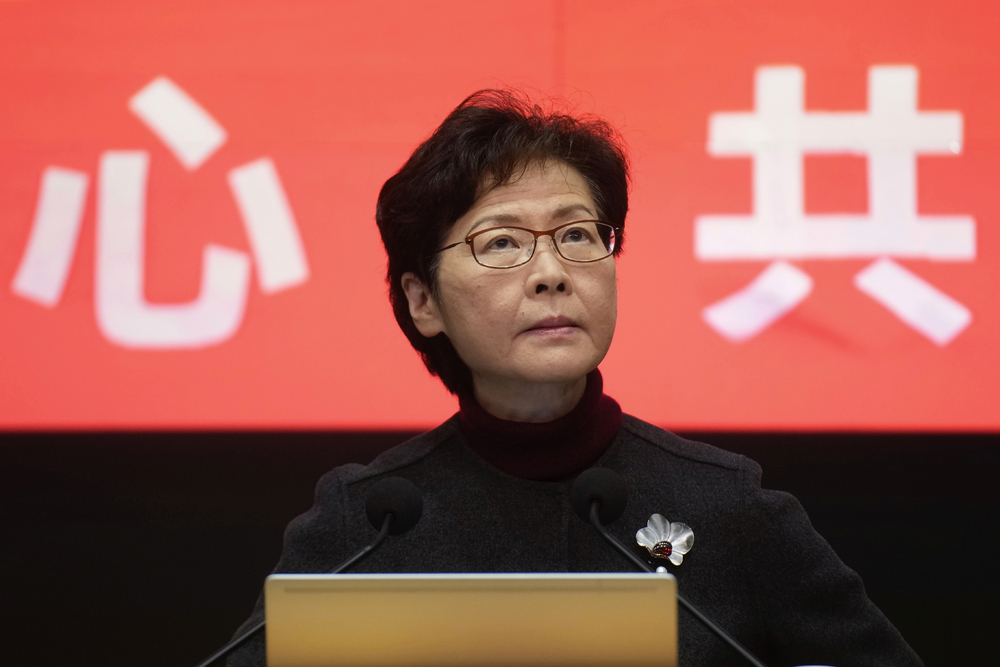
Former chief executive Carrie Lam Cheng Yuet-ngor looks likely to miss out on becoming a vice chair of China's top political advisory body due to a lack of achievements.
ADVERTISEMENT
SCROLL TO CONTINUE WITH CONTENT
This comes with the Standing Committee of the Chinese People's Political Consultative Conference starting a three-day meeting in Beijing on Sunday to approve new members.
A full list of is expected today and Lam - whose five-year term was rocked by anti-fugitive bill unrest in 2019 after she tabled it - is not expected to be on it.
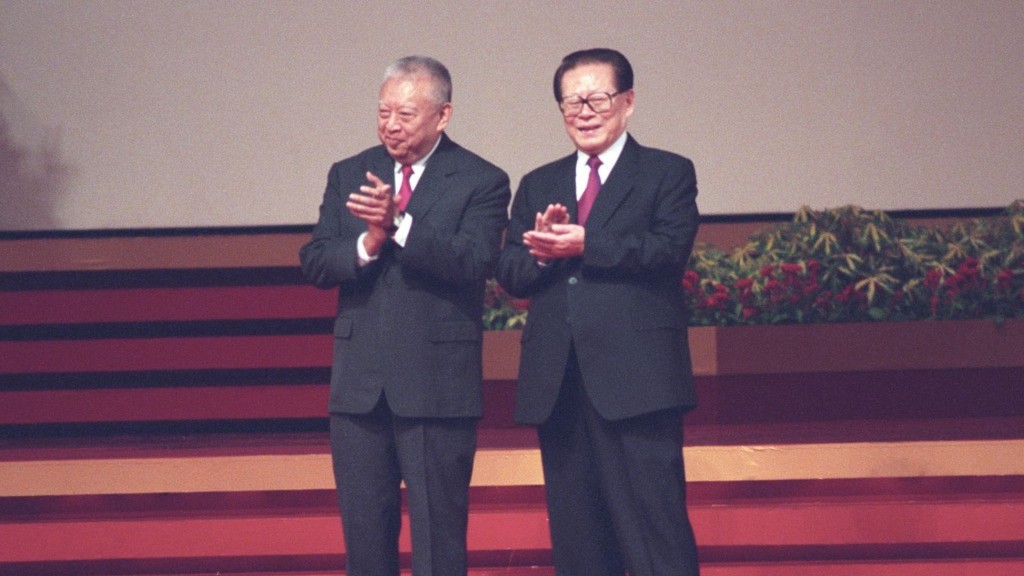
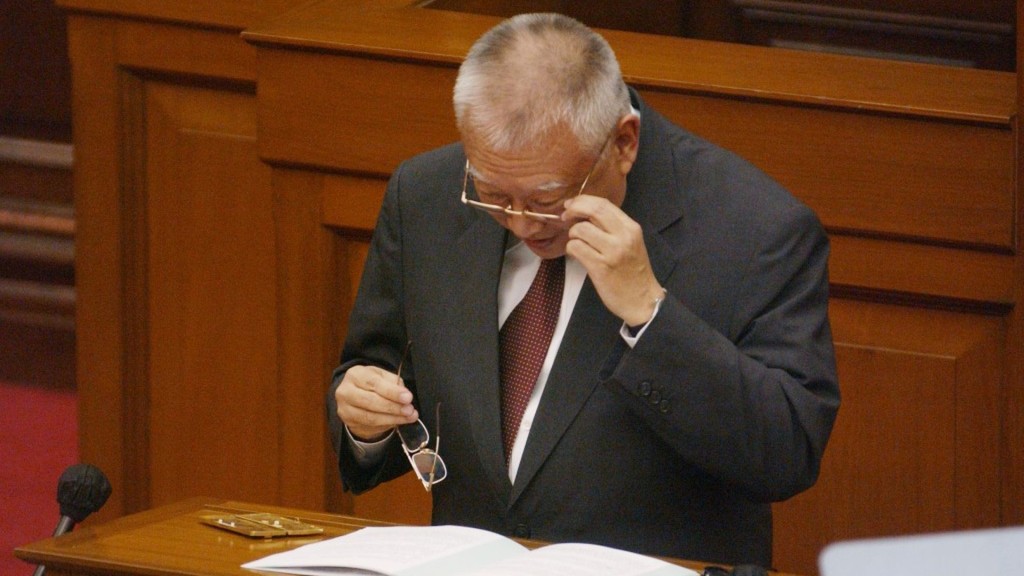
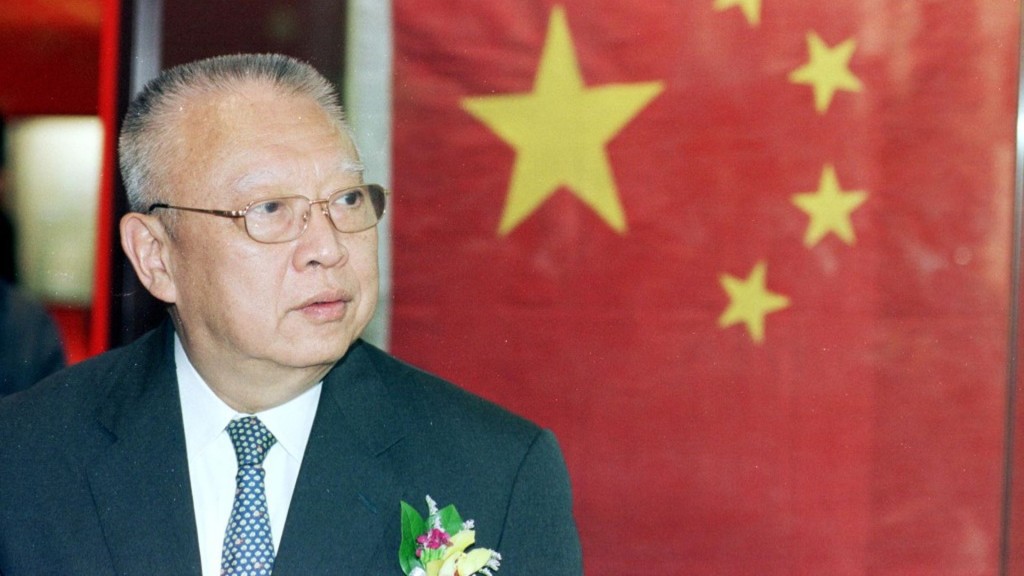
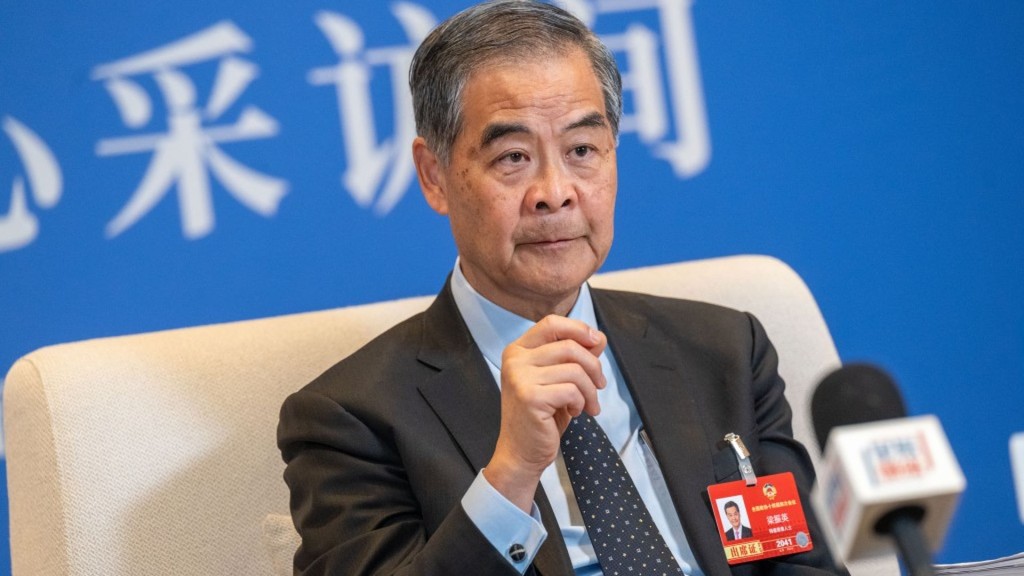
Two of Lam's predecessors, Tung Chee-hwa and Leung Chun-ying, became CPPCC vice chairmen after their tenures.
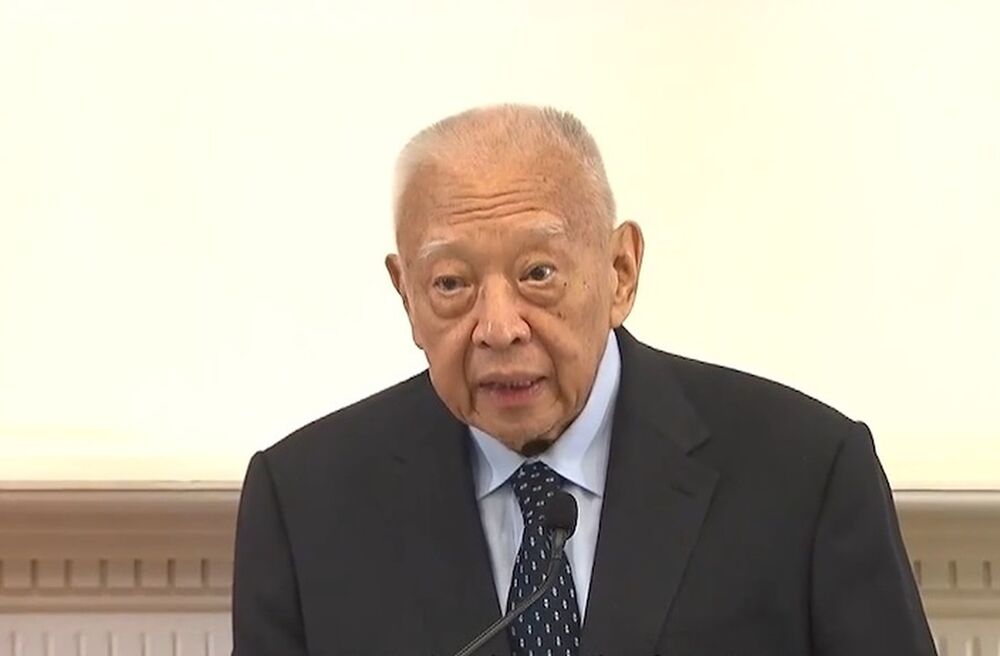
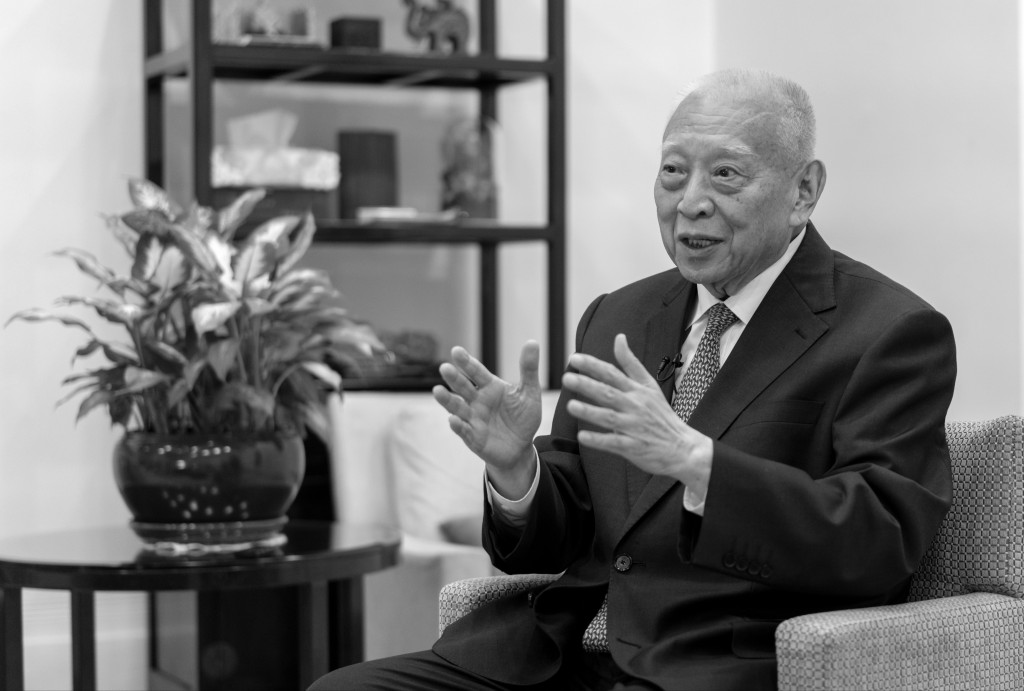
But Tung, 85, is stepping down after being absent from public events for over a year for health reasons.
There had been a buzz that 65-year-old Lam, who retired as SAR leader in July without seeking a second five-year term, could be a CPPCC vice chair as well.
The Standing Committee meeting comes ahead of the annual plenary meetings of the National People's Congress and the CPPCC national committee in March.
Lam looks like being the second former chief executive to miss out on a state role.
Donald Tsang Yam-kuen, who served a 12-month prison term for misconduct from 2018 to 2019 before the Court of Final Appeal acquitted him, was the first.
Asked about taking a new position after stepping down as chief executive during an interview with mainland media last year, Lam responded: "I don't need a new position."
Still, Lam said she would like to lecture at mainland universities on the one country, two systems principle.
Political commentator Johnny Lau Yui-siu has said the chance of Lam of becoming a vice chair of the CPPCC national committee was low due to a lack of political achievements.
"Tung Chee-hwa was elevated because he was the first chief executive of the SAR, while Leung Chun-ying was elected due to Beijing's special needs," he said. But Lam did not appear to have accomplished much.
And it would be inappropriate to see Lam simply a member of the CPPCC because she would have held a higher rank previously compared to other members, Lau said.
Meanwhile, Margaret Chan Fung Fu-chun, 75, a former director-general of the World Health Organization, is likely to be reelected to the CPPCC national committee despite there being a regular retirement age of 68 for such roles.
Chan was Hong Kong's director of health from 1994 to 2003 and WHO director-general for 10 years. She is now dean of the Vanke School of Public Health of Tsinghua University.
Age is not the only factor when deciding on CPPCC membership, and the advisory body will remain flexible to allow some "overaged" members to serve another term.
Also among them is Ng Leung-ho, 72, chairman of the Hong Kong Federation of Fujian Associations.
CK Hutchison chairman Victor Li Tzar-kuoi and West Kowloon Cultural District Authority chairman Henry Tang Ying-yen are also set to see their tenures extended.
It is customary that someone will not hold a position on the CPPCC for more than four terms, but it seems Li is set for a fifth.
At least another four members of the CPPCC Standing Committee - Henderson Land Development chairman Peter Lee Ka-kit, Hong Kong Trade Development Council chief Peter Lam Kin-ngok, Chinese General Chamber of Commerce head Jonathan Choi Koon-shum and Hong Kong Volunteers Federation chairman Tam Kam-kau - will see tenures extended.
Robert Ng Chee-siong, the 70-year-old chairman of Sino Group, and David Chiu Tat-cheong, the 68-year-old head of Far East Consortium, will likely be elected to the Standing Committee.
Shun Tak Holdings managing director Pansy Ho Chiu-king is set to become a CPPCC member.
Editorial: Lam bows out in unmistakable terms
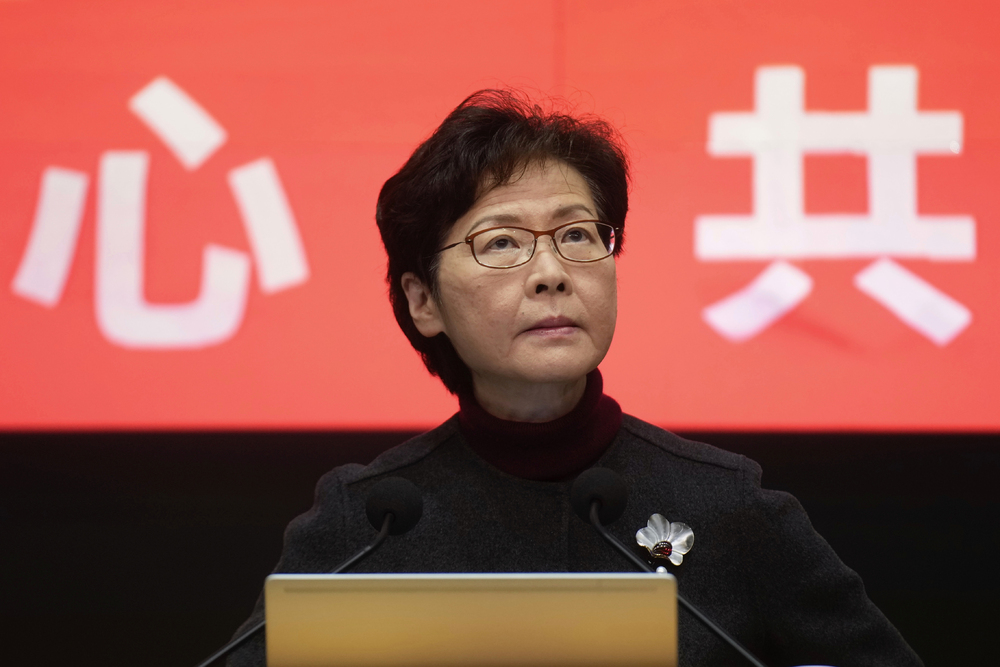
Carrie Lam AP
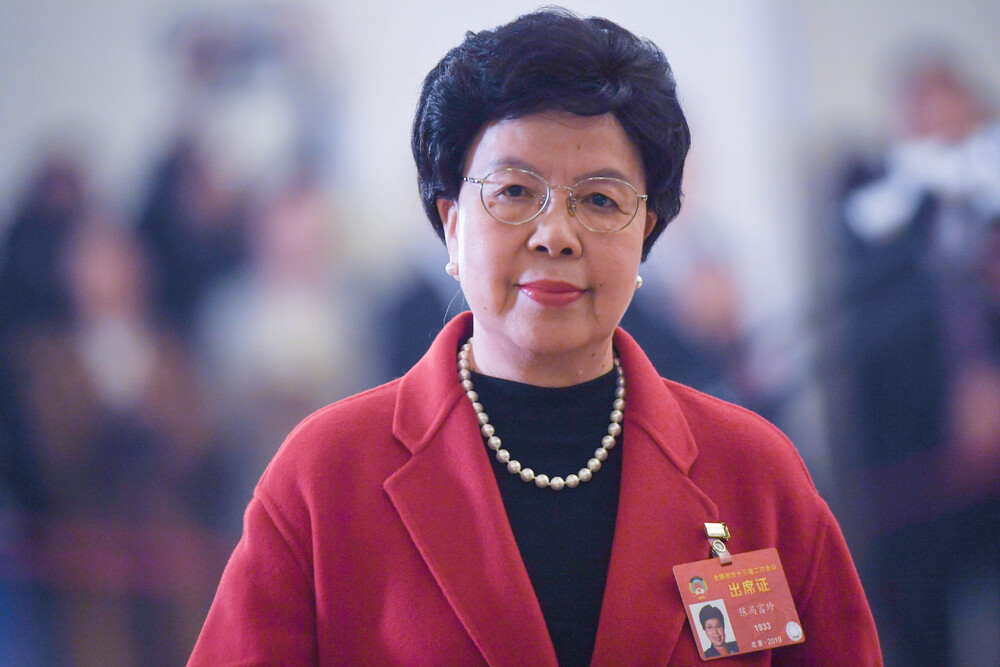
Margaret Chan, 75, is likely to keep her post but Tung Chee-hwa, 85, is out. SING TAO