Read More



HK braces for natural gas shortage
5 hours ago

Morning Recap - April 2, 2026
6 hours ago







Six senior counsel appointed
31-03-2026 13:54 HKT


12 new biometric e-Channels launched in HK airport for document-free entry
01-04-2026 12:48 HKT
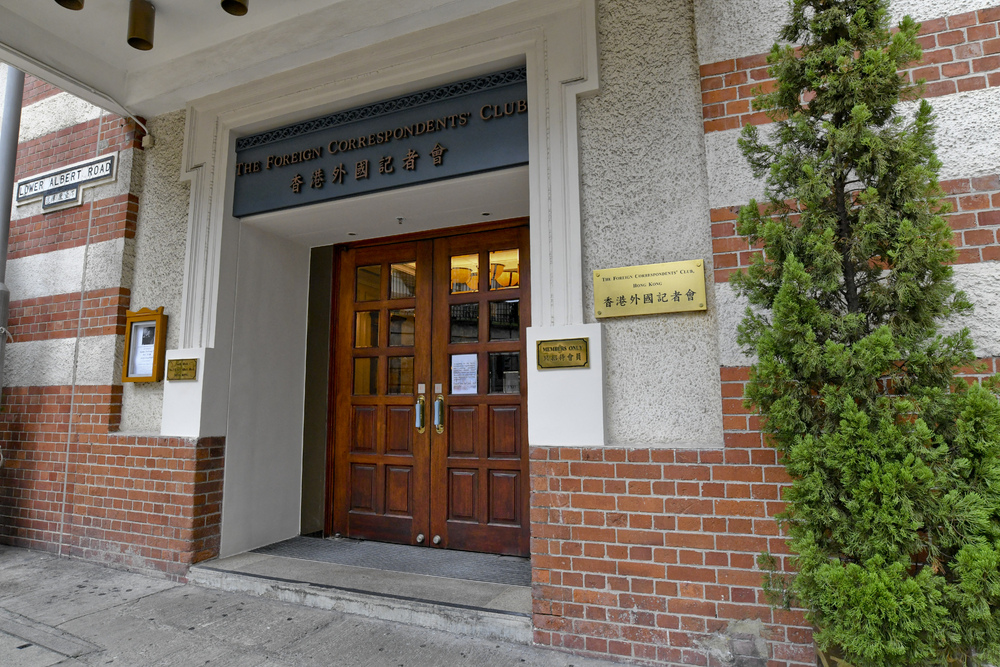
The Foreign Correspondents' Club can stay longer at its prime site in Central because authorities will renew its lease for three years if it complies with the national security law.
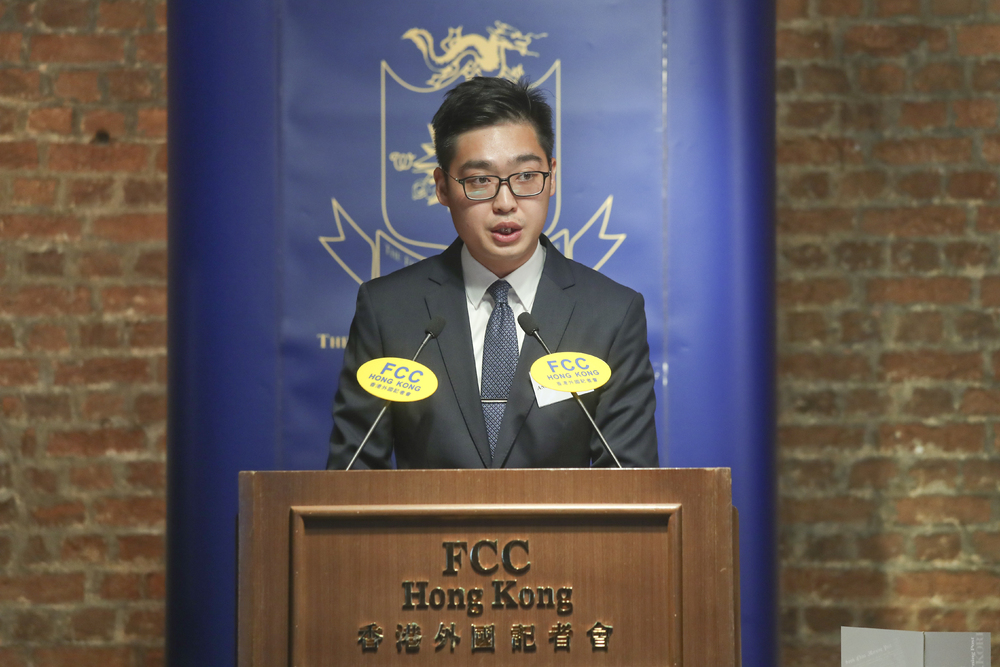
The FCC's current lease of the Old Dairy Farm Depot North Block on Lower Albert Road ends on January 1, and the government was urged to take back the site after the club invited pro-independence activist Andy Chan Ho-tin to deliver a speech at a lunch in August 2018.
The government said in a statement yesterday that it offered a new tenancy to the FCC for a fixed term of three years at market rent from January 2 after the club put forward a request for a renewal.
"The duration of renewal is in line with the government's new leasing policy of setting the duration of tenancies of all historic buildings let out by the Government Property Agency to not more than three years," a spokesman said.
"This allows a certain degree of flexibility in the use of these historic buildings."
He added that a three-year tenancy also provides "an appropriate duration for the tenant to make arrangements for its operation."
The spokesman said officials have also "introduced standard clauses in the new tenancy to safeguard national security and to sufficiently protect the government's rights and interests."
FCC president Keith Richburg said in June this year that the club has applied to renew its lease, currently paying a monthly rent of around HK$600,000.
The current premises on the corner of Lower Albert Road and Ice House Street was built in the 19th century and occupied by an ice-making company. The FCC has rented the old ice house since 1982 and renewed the lease every seven years.
Controversy broke out in 2018 after Chan, convener of the now-banned Hong Kong National Party, delivered a 20-minute speech at the FCC, saying the SAR was facing a "national cleansing."
Chan said his party faced a political crackdown, and he criticized Beijing for "ruling Hong Kong by imperialism." He added that the next generation might be required to learn Putonghua after being banned from speaking Cantonese.
Tension escalated when the Immigration Department later rejected a work visa extension for Financial Times' Asia editor Victor Mallet, who was an FCC first vice-president when he chaired Chan's talk.
Mallet, a British citizen, was refused entry to the SAR even as a visitor.
Then Chief Executive Carrie Lam Cheng Yuet-ngor declined an invitation to attend the FCC's annual diplomatic cocktail reception, though her office said "it's a common practice that the chief executive usually does not accept general invitations."
In April this year the FCC scrapped its annual Human Rights Press Awards, citing legal concerns.
Richburg said: "Over the last two years journalists in Hong Kong have been operating under new 'red lines' on what is and is not permissible, but there remain significant areas of uncertainty and we do not wish unintentionally to violate the law."
Former chief executive Leung Chun-ying has said the government should not renew the lease with the FCC.
If the FCC "invited people to advocate Hong Kong independence" when he was chief executive, Leung said in September 2018, "I would not agree to renew the lease."
He also claimed the FCC looked set to set up an advocacy platform for pro-independence activists.
Pro-Beijing legislators said after Chan delivered the speech that it was "completely unacceptable"" for the FCC to have invited him to speak.
And 32 legislators said in a statement that Chan advocated separating Hong Kong from China, which violated the Basic Law.
They said the FCC ignored its obligation to follow the SAR's law and respect China's national conditions and was determined to provide a platform for pro-independence activists.
The legislators also said the FCC used freedom of speech as an excuse and that the club "betrayed the ethics of a journalists' organization."
They urged the government to review its lease with the FCC immediately and to consider ending it.