Read More



HK braces for natural gas shortage
5 hours ago

Morning Recap - April 2, 2026
6 hours ago



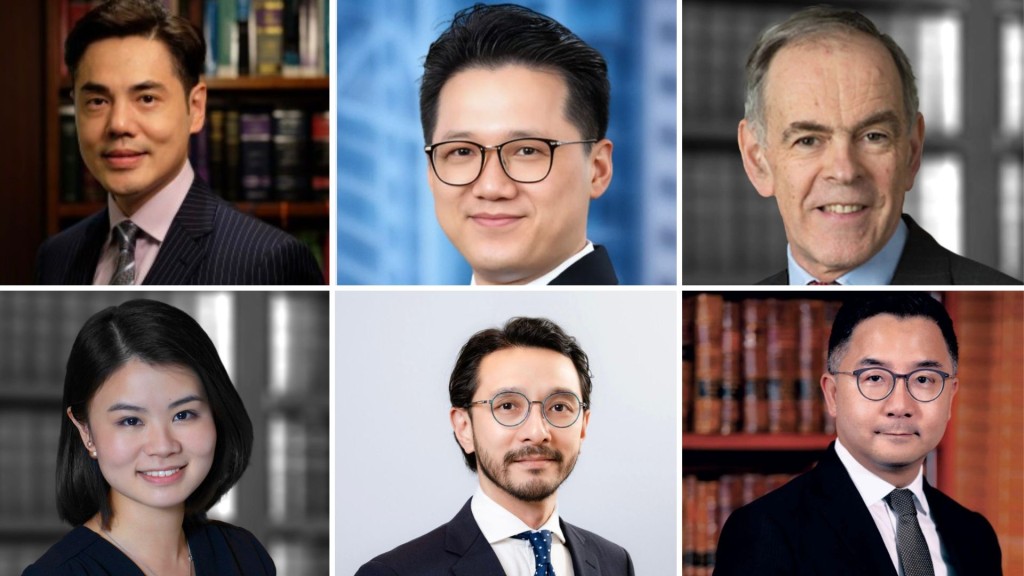
Six senior counsel appointed
31-03-2026 13:54 HKT
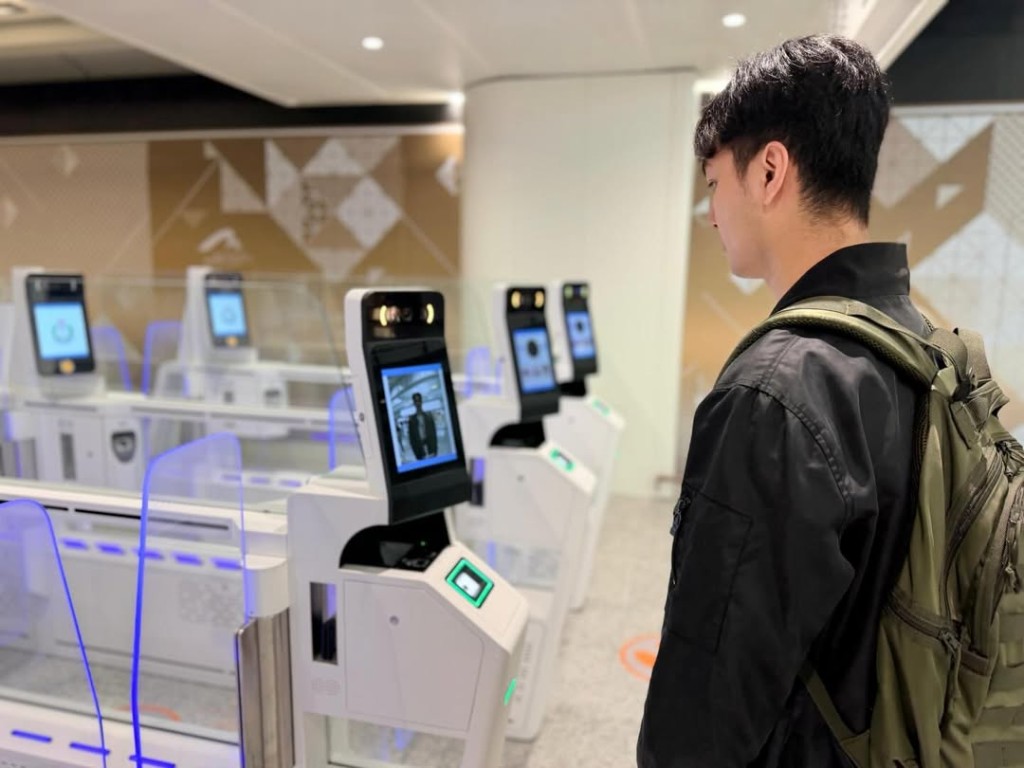
12 new biometric e-Channels launched in HK airport for document-free entry
01-04-2026 12:48 HKT
Scrapping the "political neutrality" part of the Civil Service Code will offer ammunition to the opposition, says former chief executive Leung Chun-ying.
Leung wrote on Facebook that "political neutrality" is a universal value that sees civil servants as patriots who pledge loyalty to their country, adding that meaning is very clear.
He was responding to Secretary for the Civil Service Ingrid Yeung Ho Poi-yan saying last Tuesday that an update to the code in the first quarter of next year will remove the term so government employees cannot cite apoliticism as an excuse for not implementing official resolutions.
Yeung followed up on Friday by saying there is no change to the code in demanding civil servants be politically neutral, but the wording should be made clearer since there has been talk of misunderstandings and different interpretations.
New wording is still being considered.
Yeung also noted the code was drawn up in 2009 when the situation was different, so updating it would be timely.
But Leung argued there is no possibility "political neutrality" could be interpreted as "neutrality without patriotism." It would be like interpreting "high degree of autonomy" as "full autonomy," he argued.
He said the term has been used since the drafting of the Basic Law more than 30 years ago and its meaning is clear and does not need to be changed.
"It means civil servants cannot refuse to carry out work assigned by their superiors or perfunctorily do so on the grounds of their political beliefs or political affiliations," he added.
And it is a "universal value" that politically neutral civil servants "must be patriotic and loyal to our country."
He said removing "political neutrality" would only "offer ammunition to the opposition."
Instead of trying to use "other words that have not been discussed so far" Leung suggested better publicity and explanation to reduce misunderstandings and "to see who is still pretending to be asleep."
Kay Lam Chi-yan, a researcher at the Hong Kong Policy Research Institute, wrote in a local Chinese newspaper that "political neutrality" has a positive effect and is not entirely anachronistic.
She said the principle defines the loyalties of civil servants and limits their political behavior and affiliations and the introduction of the principle was to meet the practical needs of electoral politics in the 1990s.
"It helps ensure the electoral process and the use of public resources are not constrained by partisan interests," she added. "It also helps maintain public confidence in public service by limiting open political activities of civil servants."
She also believes the term "political neutrality" still needs to be used when describing the limits of political activities of civil servants and their relationship with political parties.
Meanwhile, legislators have suggested directorate-level officials should not have foreign nationality.
On that, Leung remarked: "Some people ask what is wrong with directorate-level officers having foreign nationality. But what is wrong with giving up foreign nationality and restoring or retaining only Chinese nationality?"
stacy.shi@singtaonewscorp.com