Read More



Morning Recap - October 28, 2026
4 hours ago



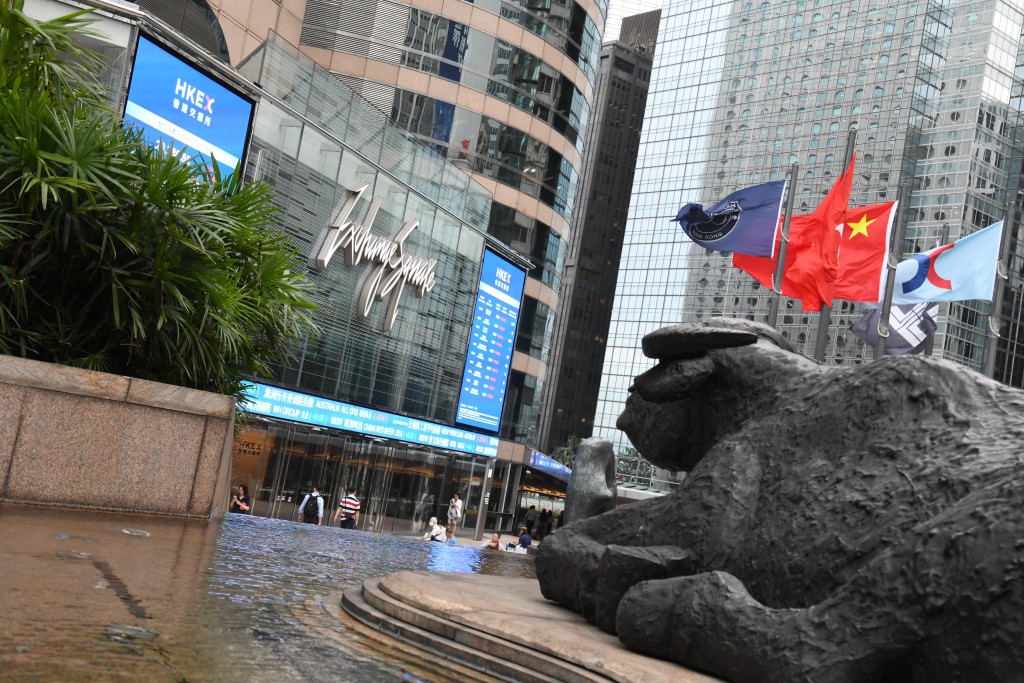
Hang Seng Index falls in early trading on Tuesday
27-10-2026 10:10 HKT
Households could pay as much as HK$51 a month for waste disposal now that the Legislative Council has finally approved the bill after 16 years.
However, the launch date scheduled for 2023 will be discussed in Legco after an 18-month preparation period.
The council yesterday passed the municipal solid waste charging bill - first put to the legislature in 2018 - by 37 to one, with lawmaker Cheng Chung-tai marking his unseating with the sole dissenting vote.
The bill says residents will have to pay for bags in which to dump their waste. There are nine bag sizes, from the smallest three liters to the largest 100 liters. The charge is 11 cents a liter, meaning the price of a 10-liter bag will be HK$1.10.
A family of three will have to pay about HK$33 to HK$51 a month if they use a 10-liter or 15-liter rubbish bag a day.
Large pieces that cannot be wrapped in bags, such as furniture, will be charged at a fixed rate at HK$11 per item, as people must buy labels to stick on them before disposal.
The garbage bags and labels will be available for sale at 4,000 sites, including supermarkets, convenience stores and gas stations.
During the 18-month preparation period, the government will hand out free bags to the public so they can adapt to the mechanism, said Secretary for Environment Wong Kam-sing after the Legco meeting. But authorities are still discussing the duration of handing out free bags to the public.
"Implementing the waste charging scheme is a very challenging task," Wong said. "We need the cooperation of all in the community."
Authorities will offer a monthly subsidy of HK$10 to those falling under the Comprehensive Social Security Assistance Scheme.
A working group will be set up under Legco's environmental affairs panel to prepare for the launch of the waste charging scheme in 2023.
There will be a six-month phasing-in period following the enactment of the law, after which fixed penalty tickets of HK$1,500 will be issued to those who violate the law.
A government spokesman welcomed the passage of the bill, saying it is a new milestone for Hong Kong's waste reduction.
The move is necessary to reduce waste disposal, given the increasing piles of waste being disposed of at landfills in recent years.
In 2019, Hongkongers disposed of 4.04 million tonnes of municipal solid waste, which is equivalent to about 1.47 kilograms per person per day, 0.2 kilograms more than the 2011 waste disposal figures.
While the bill is supported by lawmakers, Tommy Cheung Yu-yan of the catering functional constituency said the user-pays scheme would not help with waste reduction and suggested authorities provide economic incentives to restaurants to encourage them to recycle.
Green groups welcomed the bill's passage but were worried that the preparation period of 18 months was too long, and feared allowing Legco to decide the implementation date might further delay its implementation.
Ho Hon-wai, executive director of Greeners Action, said it was better late than never for the municipal solid waste charging law to be passed, but he urged the government to immediately start its 18-month preparation work.
"There is no way for the bill to be implemented later than the first quarter of 2023," he said,
Cleaners were also concerned about extra workload as they questioned if people would dump their garbage on the streets.
Li Mei-siu, vice-chairman of the Hong Kong Food and Environmental Hygiene Department Staff Rights Union, expressed concerns that there would be problems with irresponsible disposal in areas with more buildings without owners' corporations, residents' organizations or property management companies, especially as the irresponsible disposal of food waste would bring hygiene concerns.
She blamed the government for only increasing the number of prosecutors, but not considering the rise in workload of front-line cleaners.
The organizer of the Cleaning Workers Union, Leung Tsz-yan, estimated that the problem of irresponsible disposal would be more severe in tong laus (pre-war tenement block) without refuse collection services.
While some residents thought the charge was reasonable, tenants of public housing were concerned over whether authorities could distinguish who did not use designated bags, given that there are multiple flats on the same floor.