Read More


Morning Recap - October 26, 2026
4 hours ago
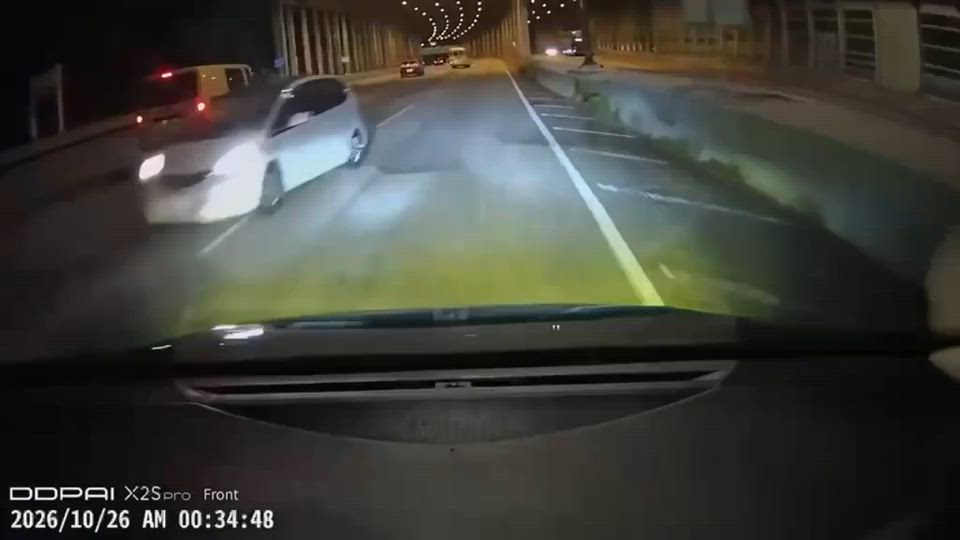
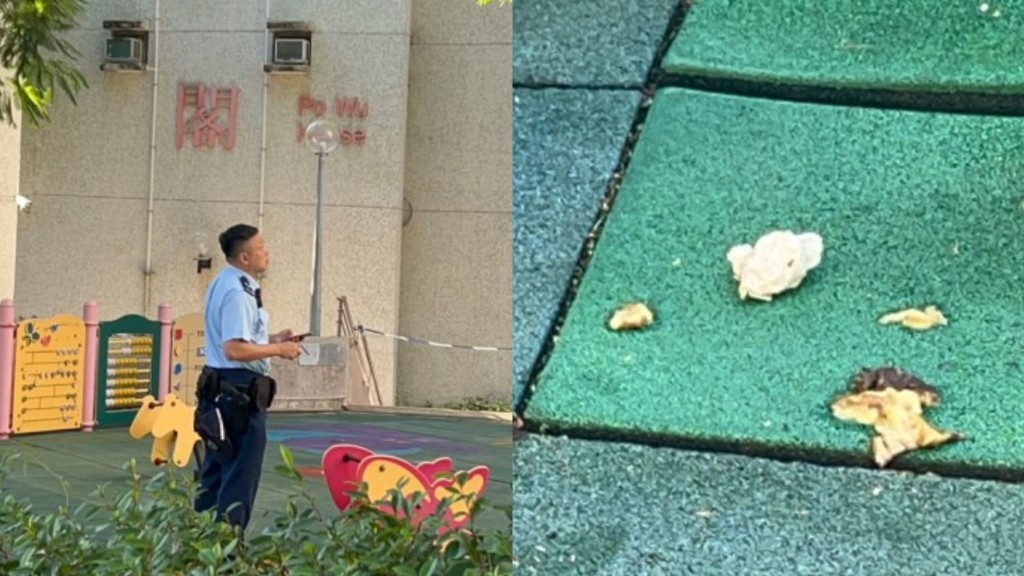
Woman injured by falling banana in Kwun Tong
25-10-2026 10:38 HKT

Screen glitches and cracked displays plague Apple's iPhone Duo launch
24-10-2026 18:45 HKT


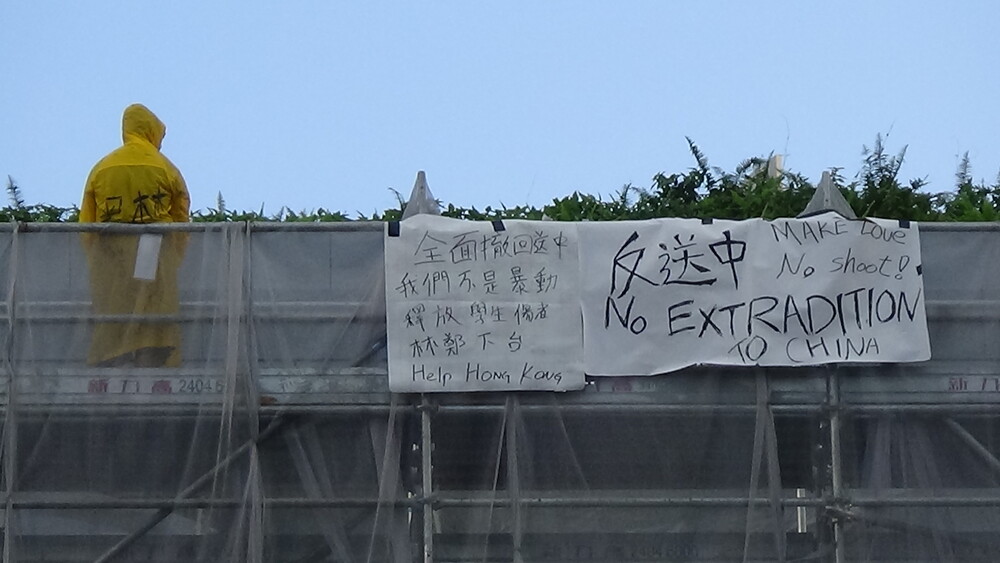
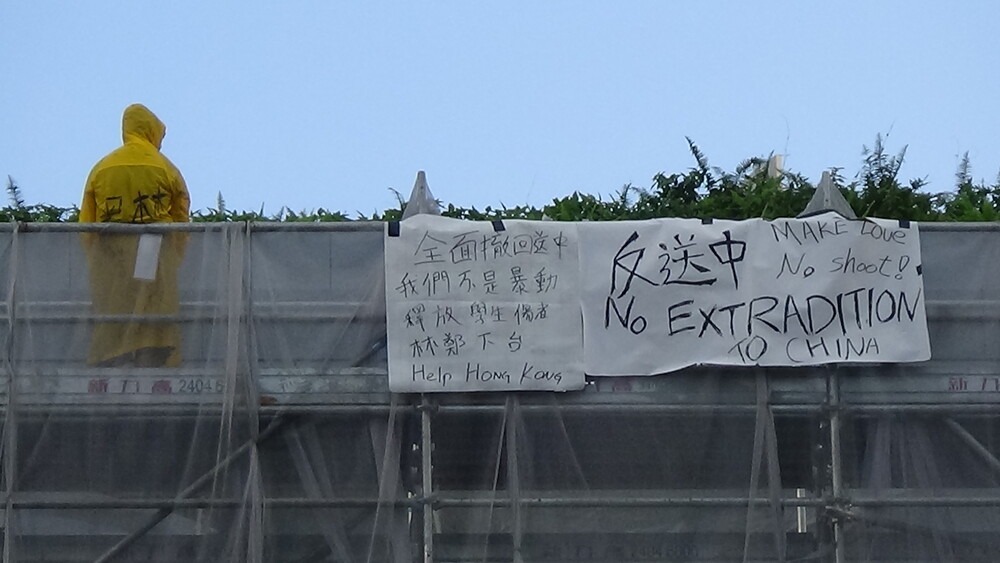
A verdict of misadventure was returned by a inquest jury yesterday on "the man in the yellow raincoat," who fell to his death from Pacific Place at the height of the civil unrest two years ago.
The coroner's jury of three woman and two men also sent the message that the Fire Services Department should look into obtaining more equipment for rescue operations and thus reduce the risks of fatalities when people jump from heights.
Marco Leung Ling-kit, 35, became familiar for the yellow raincoat he wore before plunging 17 meters to his death from scaffolding on the fourth floor of Pacific Place in Admiralty on June 15, 2019.
The jury was told by coroner David Ko Wai-hung to decide whether Leung committed suicide or was a victim of misadventure or an accident.
They returned with the misadventure verdict after nearly six hours of closed-door deliberations.
Another message from the jury was that police should take charge of incidents when falls are likely so rescue work could be more organized.
Also on the FSD obtaining more equipment for high altitude rescue operations, the jury said it should include smaller rescue cushions that were more suitable for Hong Kong and thickened canvas to go between the cushions and the ground.
The company that was in charge of renovating Pacific Place when Leung died, Build King, was also told it should have blocked all entrances of the building and that notices to prohibit passers-by from entering should have been posted.
Coroner Ko said he felt sorry about Leung's death, though he noted family members did not show up at the nine-day inquest. He hoped they could find a new life with happiness.
Ko also said he understood that people had a lot to say about some cases, but that was normal in "a healthy society."
The coroner's court is set up to investigate suspicious deaths, Ko also remarked, and inquiries by the coroner are supposed to alleviate public doubts. But Ko complained that Hong Kong has only two coroners for a population of seven million, while New Zealand has 17 coroners for five million people.
In guiding the jury yesterday, Ko said Leung appeared to have had suicidal thoughts before the incident because he searched online for items about suicide, asked about life insurance and filled out a registration form to wish for a green burial. But Leung did not say he wanted to commit suicide. Ko said Leung climbed out of the scaffolding he was standing on and struggled when emergency personnel approached him.
Video scenes played in court also show Leung looked down at the rescue cushion on a pavement.
The jury could say Leung died of misadventure if they believed he chose to fall from the scaffolding because he thought he could land on the cushion, Ko said.
If the jury did not think Leung committed suicide or had died as a result of misadventure, Ko said, they could consider if it was an accidental death.
It was possible Leung did not want to die but fell from the scaffolding due to lack of physical strength, he remarked.
Barrister Albert Luk Wai-hung told The Standard later that the misadventure verdict meant there would be no legal basis to hold anyone responsible for Leung's death.
Although a coroner's court may not always find the true cause of a death, Luk added, Leung's family must accept the fact that no one will be held responsible for his death. But at least they now have a better idea of what they can or cannot do, he said, which they "wouldn't have known if there had not been a coroner's inquest."