
Read More
The integration of sports and marketing could open up new economic growth engines for Hong Kong as industry leaders gathered to explore opportunities in the city’s emerging sports economy.
ADVERTISEMENT
SCROLL TO CONTINUE WITH CONTENT
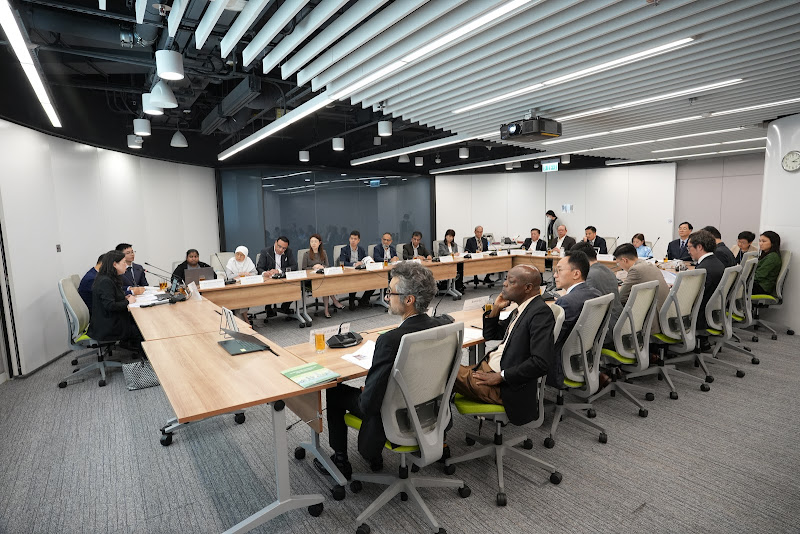
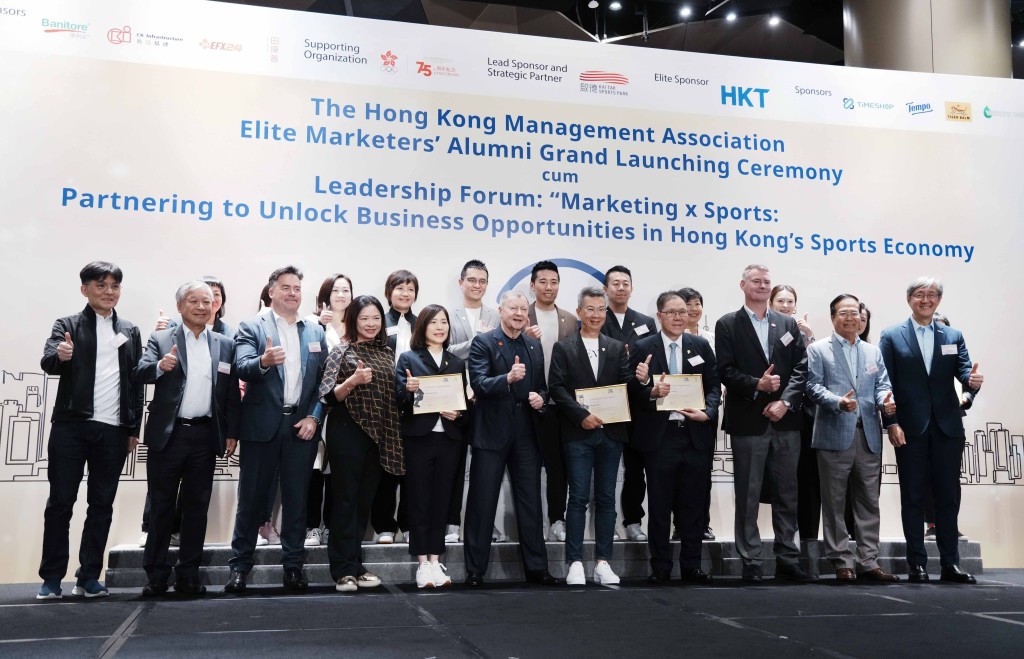
The leadership forum, titled “Marketing x Sports: Partnering to Unlock Business Opportunities in Hong Kong’s Sports Economy” and organized by the association at Kai Tak Sports Park last Friday, featured discussions on driving growth through sports and maximizing the commercial value of major events.
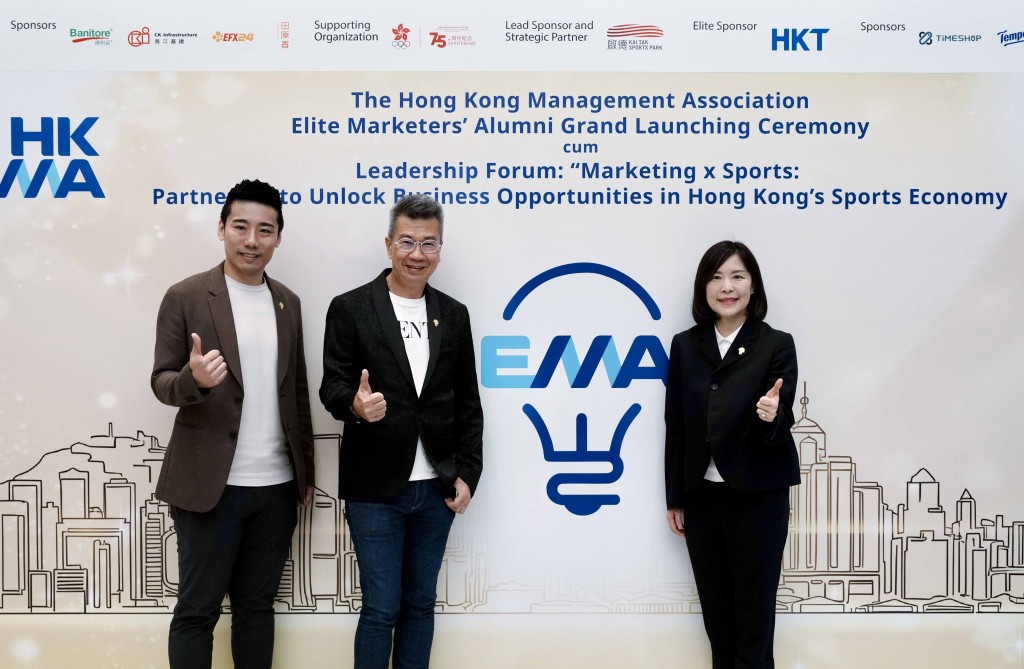
(From left) Franklin Law, Bruce Lam Kwok-shing and Randy Lai Wai-sze
Bruce Lam Kwok-shing, the founding chairman of the HKMA Elite Marketers' Alumni, said the sports industry is becoming a key growth driver for Hong Kong, with its value chain extending beyond events and tourism to merchandise and related sectors.
He pointed to the upcoming FIFA World Cup, which will expand to 48 teams and 104 matches over about 40 days, as a potential catalyst for the city’s night-time economy and consumer spending.
He said the extended match schedule, spanning late-night to daytime broadcasts, could reshape daily routines and create opportunities across catering, hospitality, entertainment, and retail sectors.
As an international city, Hong Kong should seize the opportunities presented by the global sports economy, he added.
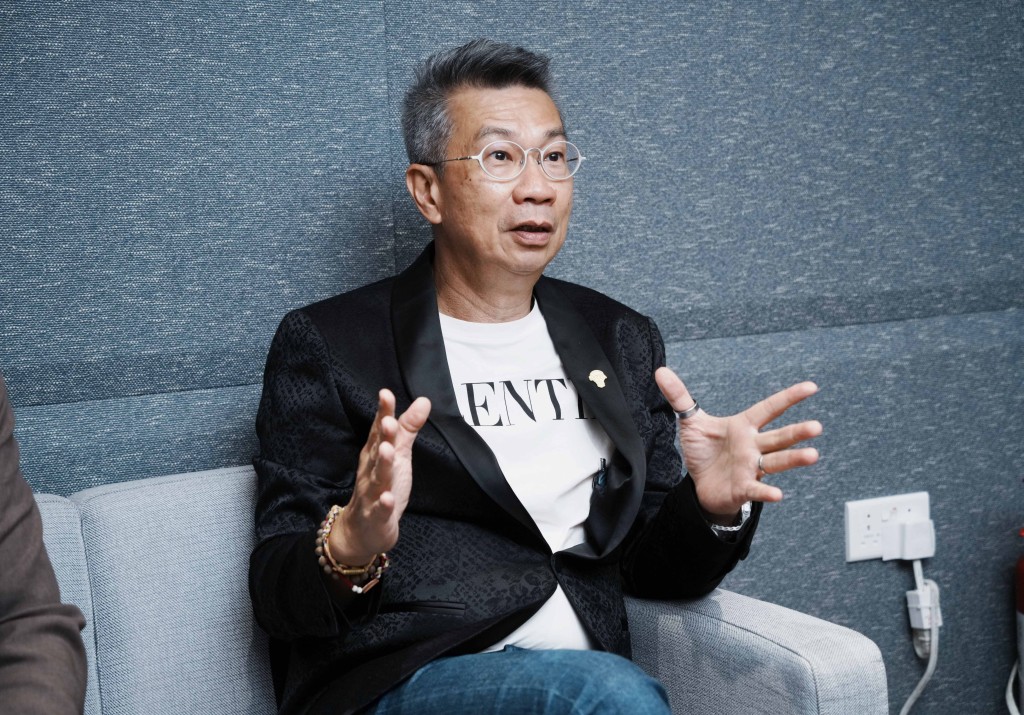
Bruce Lam
Randy Lai Wai-sze, the deputy chariman of the HKMA Elite Marketers' Alumni, emphasized that modern marketing has evolved beyond simply promoting products or companies. She highlighted the growing importance of forging deeper connections between brands and consumers.
Lai also announced that the Elite Marketers' Alumni are actively working to foster cross-sector collaboration, aiming to discover new business opportunities and deliver a wider range of experiences to customers.
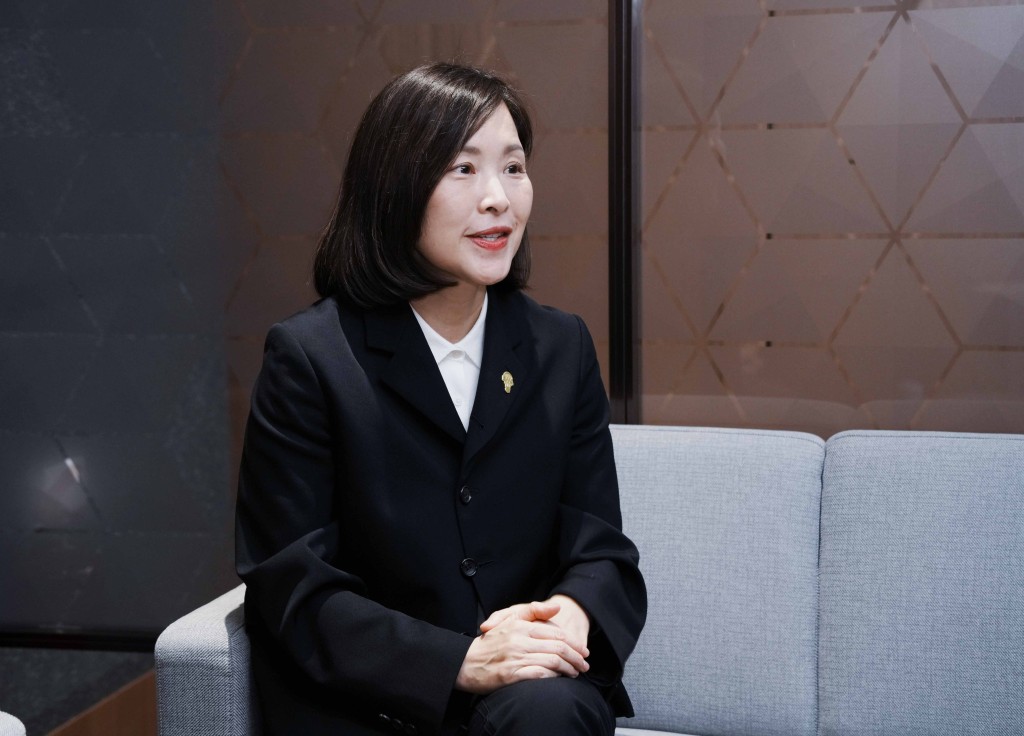
Randy Lai
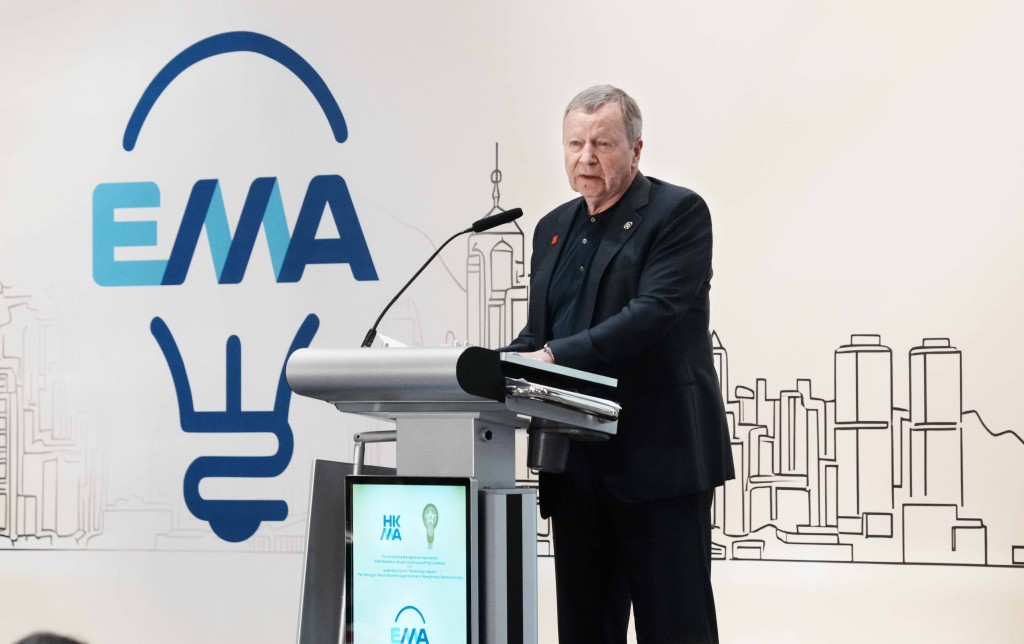
Hong Kong Management Association chairman Winfried Engelbrecht-Bresges said the city is positioning itself as an international hub for major sporting events, and that sports have the power to unite communities and attract global attention.
He said effective marketing can amplify that impact, creating greater value for both the city and businesses, and added that marketing has evolved beyond a promotional tool to become a core driver of innovation, helping companies connect with customers, expand into new markets, and attract investment.
The combination of sports and marketing, he said, presents a unique opportunity for Hong Kong to generate new economic momentum while enhancing its appeal as a tourism destination.
Meanwhile, Casper Stylsvig, Executive Director in Sports Business of The Hong Kong Jockey Club, said sports should be seen as more than competition, but as an economic engine capable of driving tourism, consumption, and community engagement.
He said a successful sports city is not defined by trophies alone, but by a comprehensive ecosystem that includes fan engagement, talent development, and sustainable economic returns.
He cited examples of cross-sport initiatives, such as combining horse racing with rugby events, which have helped attract broader audiences and demonstrate the appeal of integrated sports experiences.
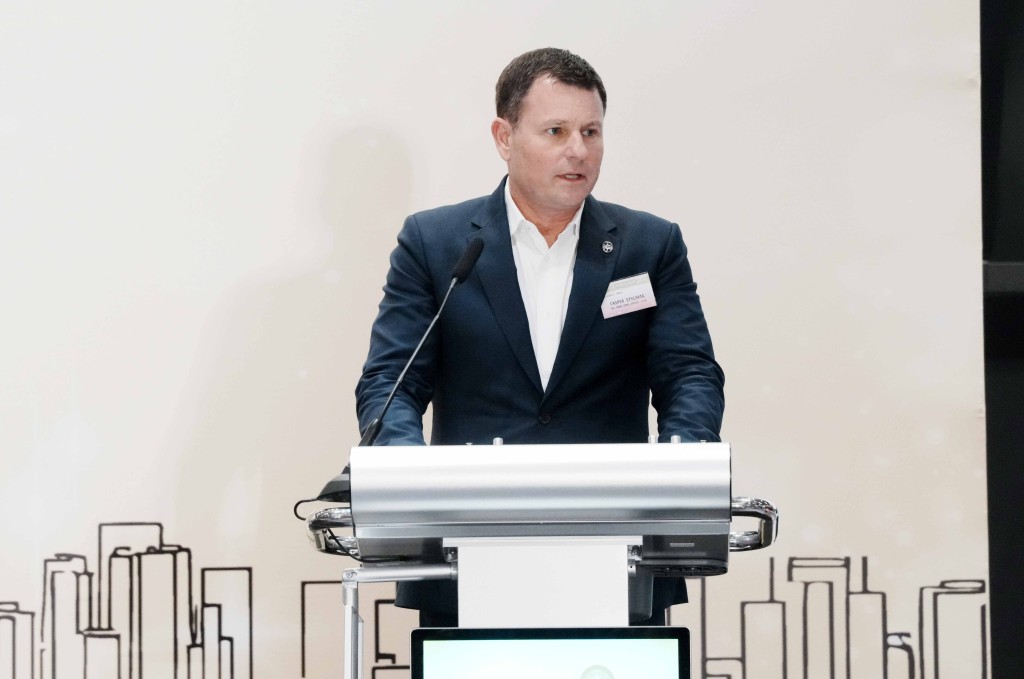
Casper Stylsvig, Executive Director in Sports Business of The Hong Kong Jockey Club.