Read More





Six senior counsel appointed
31-03-2026 13:54 HKT
12 new biometric e-Channels launched in HK airport for document-free entry
01-04-2026 12:48 HKT


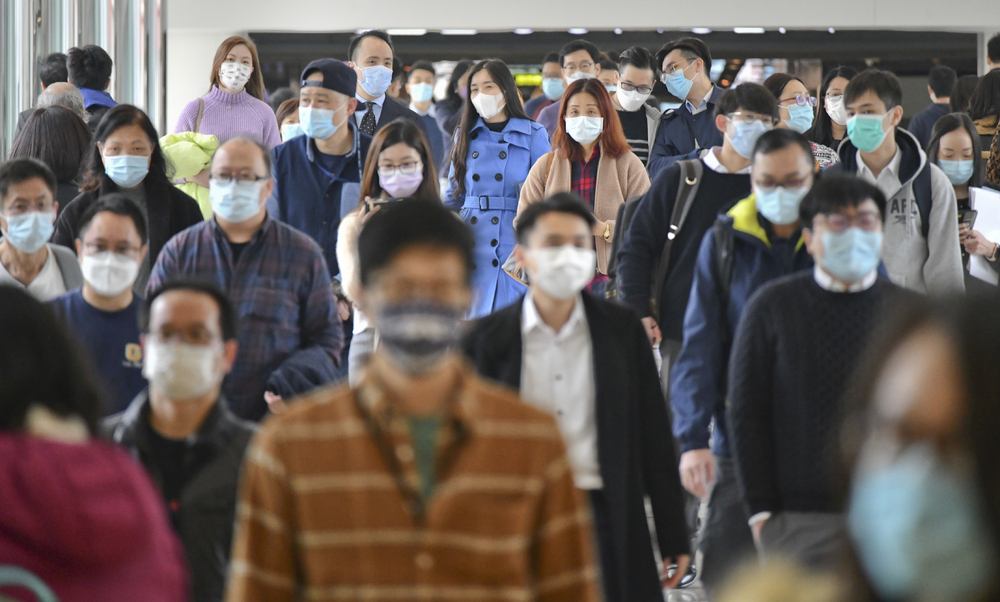
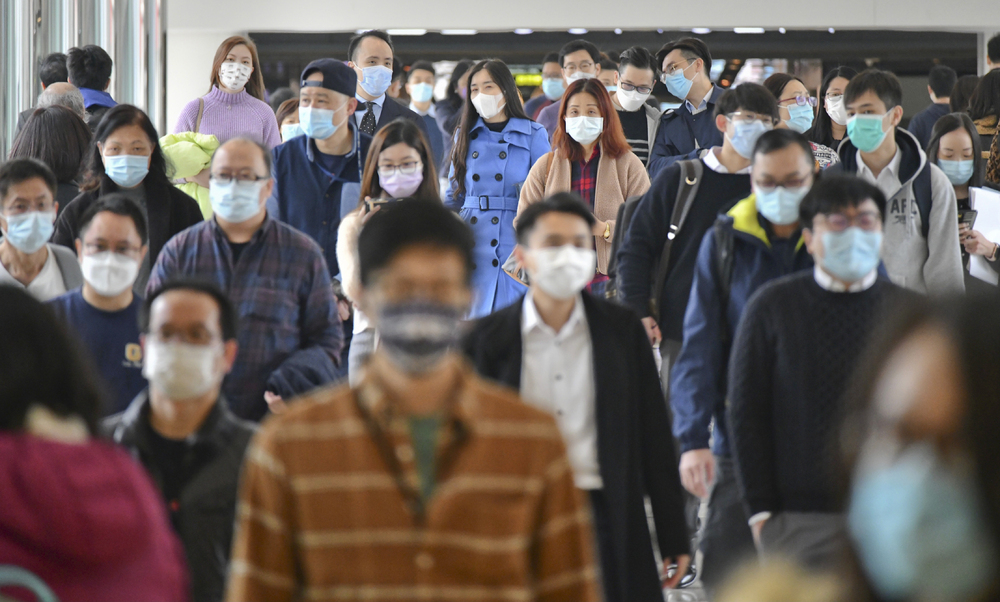
Almost 40 percent of people are willing to be vaccinated against Covid-19 immediately if jabs are offered, according to a study by three universities and a non-governmental organization.
But the survey by the University of Hong Kong, Hong Kong Shue Yan University, Hong Kong Baptist University and the Hong Kong Society for Rehabilitation also found 40.6 percent of people do not want to be vaccinated early on in the program.
The researchers interviewed 2,733 Hongkongers online last month, including 921 with one or more chronic illnesses.
The survey showed 39.4 percent willing to be vaccinated right away if an authorized vaccine is available.
The acceptance was even higher among the chronically ill at 51 percent.
But a solid number of respondents had reservations about going for the vaccine at the outset, with 40.6 percent saying they want to be the last 10 percent of the population to get the jab.
The survey also showed citizens with higher trust in authorities or people under financial stress are more likely to be vaccinated.
There was, however, a caution that providing subsidies for accepting a vaccination would reduce people's willingness to get the jab.
"Providing financial subsidies would spark doubts there is something wrong with a vaccine," remarked Samson Yuen Wai-hei, an assistant professor at Baptist University's Department of Government and International Studies.
The survey showed too that people cared most about the efficacy of a vaccine followed by the danger of severe side effects.
An efficacy of no more than 50 percent and possible severe side effects were the most discouraging attributes.
The research team suggested authorities should strengthen the vaccination program and provide free jabs, with medical insurance against serious side effects for all citizens.
"An extra living subsidy can be made available to those with chronic health conditions to boost vaccine uptake," the researchers added.
Despite official efforts to boost track down Covid-19 cases, researchers warned that testing could delay citizens' preferred timing for a jab through some gaining a false sense of protection against infection if a test was negative.
The researchers also found that more than 33 percent of respondents had post-traumatic stress symptoms amid the pandemic. Twenty-one percent suffered moderate to severe anxiety and 18 percent depression that needed professional attention.
Psychological distress was also more common among respondents with lower education and higher financial stress, while depression was more common among people aged from 18 to 39 than in middle aged and older adults.
The chronically ill are more likely to be socially isolated, the team added, so authorities should offer more support to them.
Meanwhile, Hong Kong members of the National People's Congress and the Chinese People's Political Consultative Conference went to Shenzhen yesterday to get the second dose of the mainland-made Sinopharm vaccine ahead of the two sessions in Beijing next month.
Tam Yiu-chung, Hong Kong's sole member of the NPC Standing Committee, said he did exhibit any side effects after receiving the first dose earlier.
Tam also said he hoped the central government could offer Sinopharm vaccines to Hongkongers so they had another choice of a mainland jab besides the one from Sinovac.