Read More
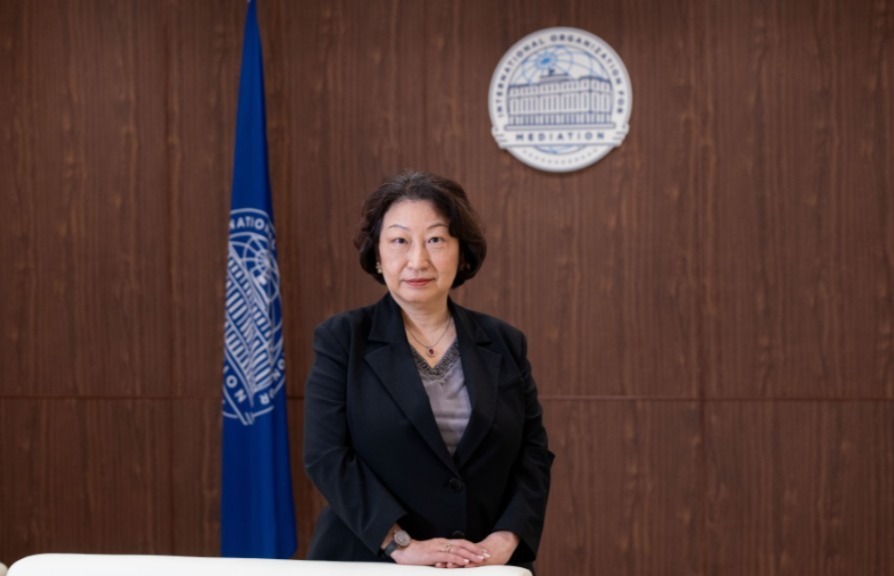


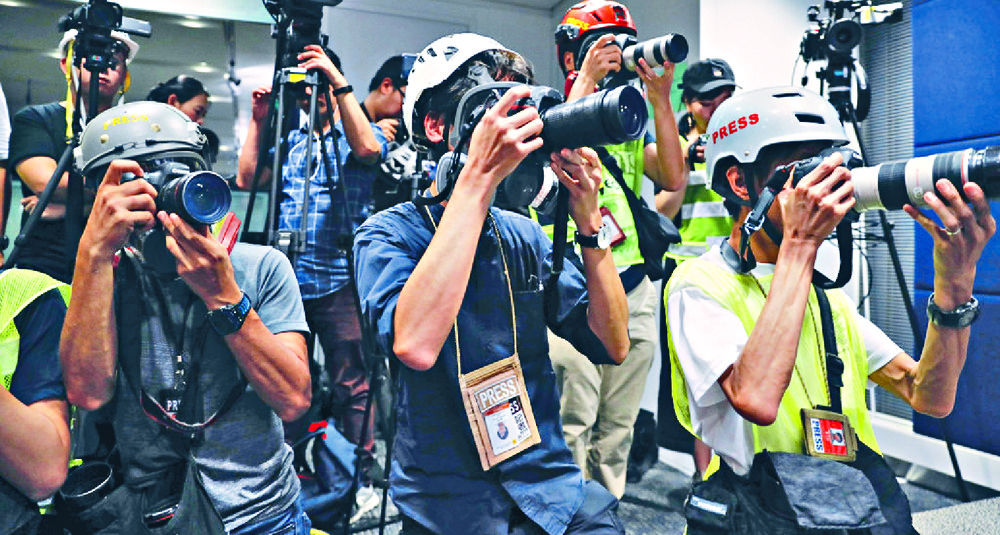
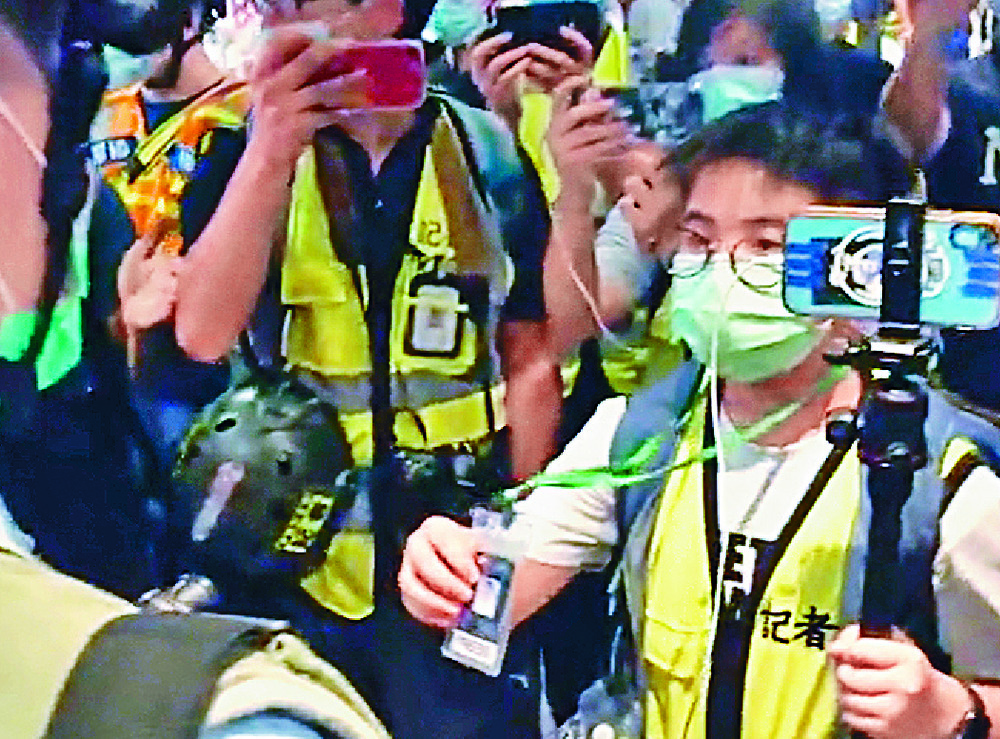
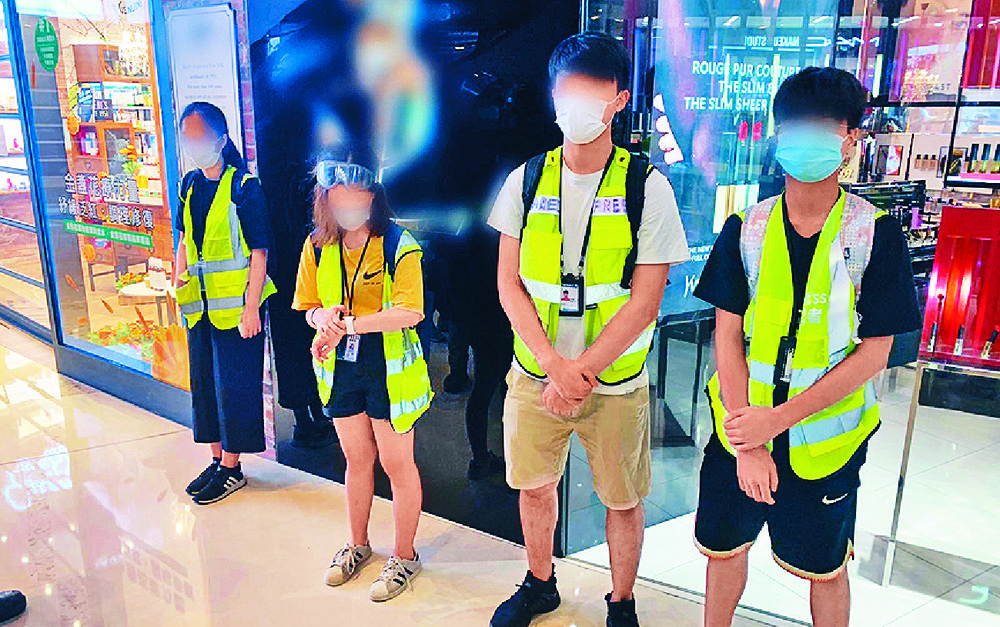
Hong Kong police will no longer recognize reporters based on their accreditation with two professional press associations, which could put local online media and student reporters at risk of being prosecuted while covering protests.
The Police Public Relations Branch sent a letter to four journalist associations yesterday, saying police will amend the definition of reporters under the Police General Orders, but it stopped short of saying when the amendment will take effect.
Only two types of reporters will be recognized following the amendment: representatives of media organizations that are registered with the Government Information Services' press release system or internationally recognized wire agencies and media organizations.
Previously, police recognized press passes issued by the Hong Kong Journalists Association and Hong Kong Press Photographers Association.
The other two associations to receive the letters are the Hong Kong News Executives' Association and the Hong Kong Federation of Journalists.
Sources said representatives from recognized media organizations will be allowed into cordoned-off areas to do reporting work, while those not recognized by the police will be barred.
That would mean that reporters not recognized by the police will not be eligible for exemption from social distancing regulations as they are reporting in public areas - and they might even be prosecuted.
Police have complained for months about student journalists and online media reporting on protests. Some have been arrested and others fined for breaching the social distancing rules.
Chief Superintendent Kenneth Kwok Ka-chuen said police had previously found "fake reporters" at protests who obstructed officers or even attacked them, which had made enforcing the law more difficult.
"After the amendment, the definition of 'media representatives' in the Police General Orders will be clearer and allow frontline officers to identify media representatives more quickly and effectively," Kwok said.
"Officers can then render assistance to media representatives where the efficiency of the operation will not be affected," he added.
The Hong Kong Journalists Association, alongside unions of local mainstream media including Ming Pao, Next Media and RTHK, last night released a joint statement slamming the change.
"The guidelines have been implemented for years, but police now making such a huge amendment without discussions or consultations with media organizations are ruining the relationship between both sides," they said.
They then called on the police to cancel the amendment. "This is a de-facto licensing mechanism which will severely affect freedom of reporting and freedom of the press in Hong Kong, and gradually turn Hong Kong into an authoritarian regime."
The Hong Kong News Executives' Association expressed serious concern at the amendment. It said police should ensure reporters will not be subject to unnecessary or unreasonable restrictions while conducting their work.
Twenty online media organizations showed its regret in a joint statement released last night as it said refusing to facilitate online media was ignorant.
Leung Pak-kin, a freelance photographer who filmed the Prince Edward station incident on August 31 last year, worried that the police can now arbitrarily charge reporters working for online media.
"It is very problematic if the police can charge us for illegal assembly or other offenses as we are not working for media organizations that are recognized by them, and refuse to recognize membership cards issued by the Hong Kong Journalists' Association," Leung said.
There are 205 media organizations registered with the government's news and media information system, while some of the online media are registered, including Stand News, Hong Kong In-media and Hong Kong Free Press.
Clement So York-kee, a journalism professor at the Chinese University of Hong Kong, said the definition of journalist should not be decided by the police.
"Otherwise the next step would be that news organizations have to be 'friendly' to the police in order to be officially recognized," So said.
Democratic Party lawmaker Hui Chi-fung said online media, civic journalists and student reporters filmed valuable footage during the anti-fugitive bill movement, such as footage of a teenager being shot by a police officer and the Prince Edward station incident.
"What the police are worried about is that more of these civic and student journalists are revealing the wrongdoings of the police in times of protests," Hui said.
However, Peter Kwan Wai, a journalism professor at Chu Hai College of Higher Education, believed the amendment was proper, but too lenient regarding reporters employed by foreign media.
"I do think the amendment is proper, as it sets out rules for reporters and will prevent chaos at protest scenes, making it easier for the police to distinguish genuine reporters," Kwan said.