Read More


Night Recap - September 28, 2026
13 hours ago

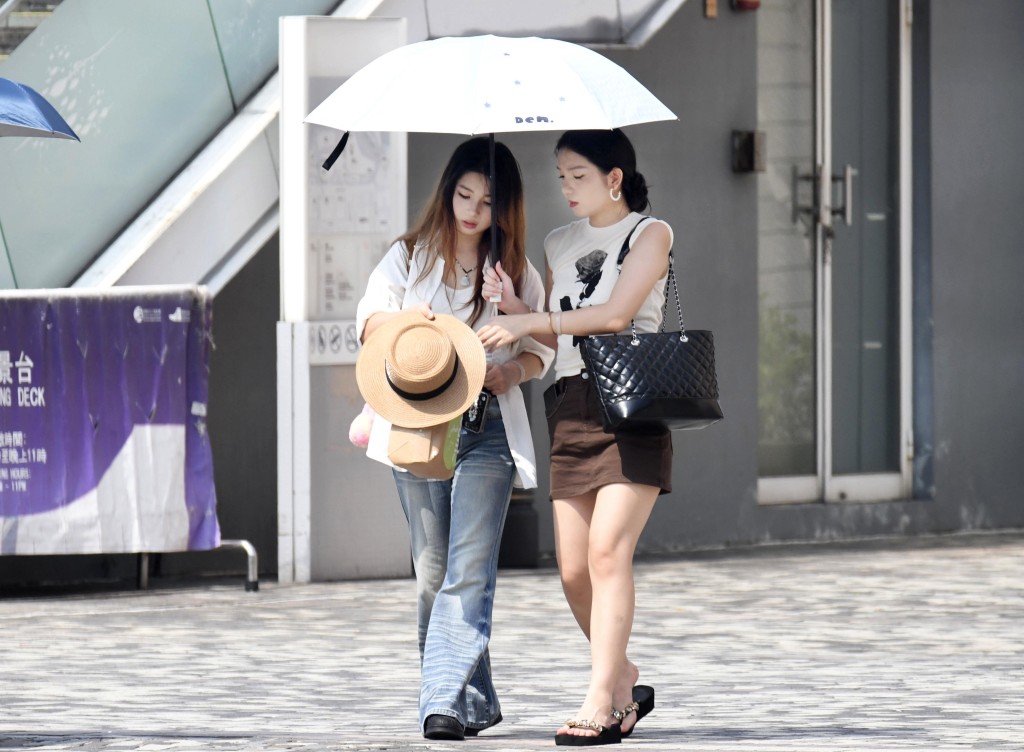
HK faces week of extreme heat with temperatures soaring to 34 degrees
28-09-2026 03:01 HKT
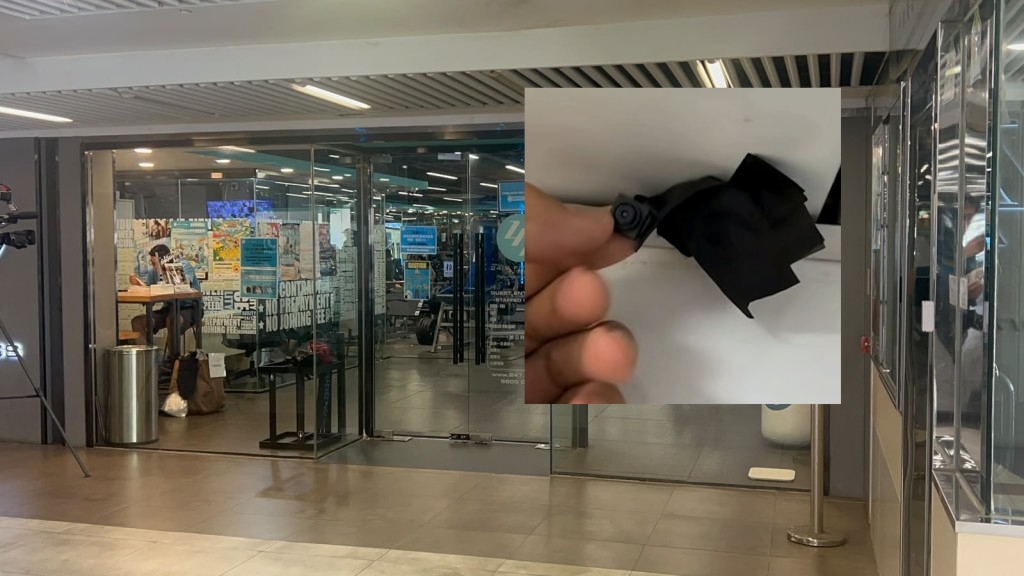
Gym spy camera suspect identified as construction foreman
28-09-2026 11:19 HKT
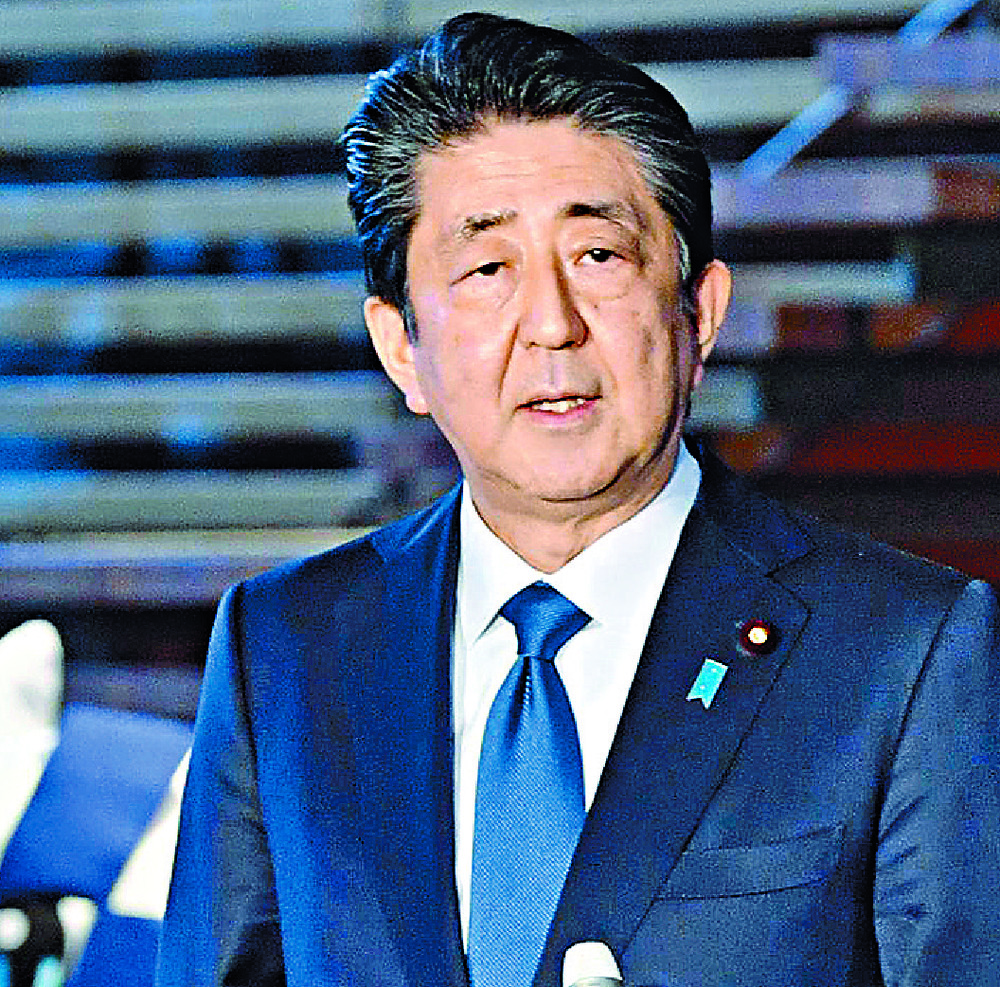
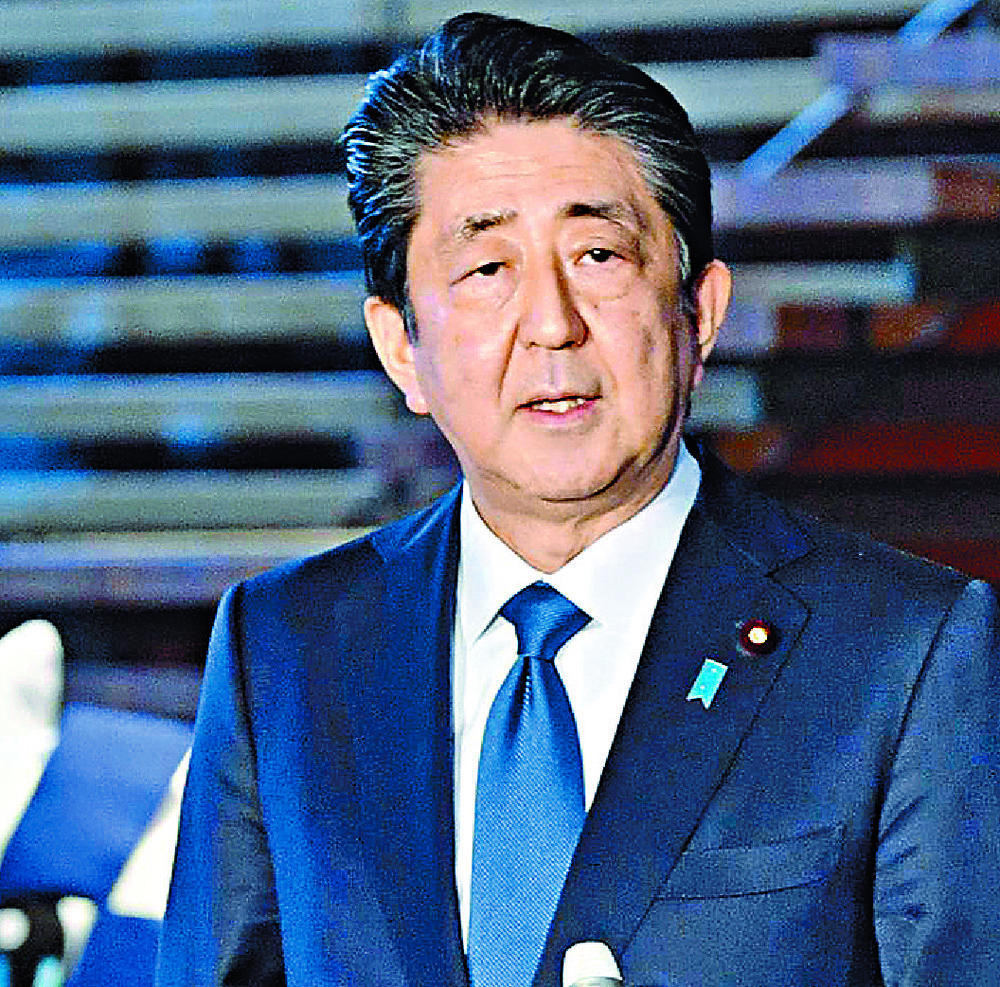
Prime Minister Shinzo Abe announced a 108 trillion yen (HK$7.68 trillion) stimulus package -Japan's largest ever - to rescue the economy, with Tokyo and six other hubs set to be put in a state of emergency.
The package, equivalent to about 20 percent of the nation's economic output, will include cash handouts worth some 6 trillion yen for households and small businesses and offers businesses deferrals on tax and social service costs worth 26 trillion yen.
Abe said yesterday he plans to officially declare as soon as today a state of emergency for Tokyo and its three neighboring prefectures, Osaka, Hyogo and Fukuoka prefectures.
"Considering that medical institutions are facing a critical situation, I have received opinions that the government should prepare to declare a state of emergency," Abe said.
He added that details of the stimulus package and an extra budget to finance are set to be announced today.
The first phase of the package aims to prevent job losses and bankruptcies, while a second round of aid, once the coronavirus is contained, will try to support a V-shaped economic recovery, documents showed.
"The details of the measures and the numbers involved are being debated until the last minute," ruling party policy chief Fumio Kishida said.
Economists see a deep Japanese recession ahead, with export markets paralyzed, the summer Olympics postponed and the country's capital facing the prospect of stronger stay-at-home requests.
According to documents, Japan is planning to distribute 300,000 yen to lower-income households that have lost pay because of the virus. Households with children will also get aid.
For businesses, the measures offer larger subsidies for firms that keep workers on the payroll. Companies hit by the virus will be able to defer income and regional tax payments for a year. Some smaller businesses will see their property taxes cut back as far as zero.
For now, Japanese employment figures have been holding up. The country's jobless rate held at 2.4 percent in February, but there has been a sharp drop in the ratio of available positions to the lowest level in three years.
More recent developments showed a rapid uptake of emergency loans via a government program for people who have lost their jobs or face wage cuts.
The documents showed the government planning a second phase of measures once the virus itself is brought to heel. While these measures are less well-sketched out, they include steps to increase consumer spending and tourism, plus subsidies for regional economies.
Singapore, meanwhile, increased its cash payout to individuals and announced additional steps to save jobs as it prepares to go into a partial lockdown to contain a spike in cases.
The third stimulus package in two months will cost S$5.1 billion (HK27.58 billion), taking the nation's total virus relief to almost S$60 billion, or 12 percent of gross domestic product.
An additional S$300 in cash handouts will be given to all adult Singaporeans, bringing the total per person to S$600.