A herniated disc, often called a slipped disc, is a widespread source of back pain, impacting countless individuals globally.
This condition arises when one of the spine's shock-absorbing cushions, known as intervertebral discs, bulges or ruptures. This protrusion then presses on nearby nerves, leading to a range of uncomfortable and potentially debilitating symptoms.
What does a herniated disc feel like?
The discomfort from a herniated disc can manifest in several ways, depending on the location and severity of the nerve compression:
? Sciatica: a sharp, shooting pain that radiates down the leg, often originating in the lower back.
? Numbness or tingling: a "pins and needles" sensation or loss of feeling in the affected area due to nerve compression.
? Muscle weakness: difficulty lifting objects, walking, or performing other activities requiring muscle strength.
? Localized pain: persistent lower back or neck pain that may worsen with movement.
What leads to a slipped disc?
Several factors can contribute to the development of a herniated disc:
? Age-related degeneration: as we age, the discs lose water content and become more brittle, increasing the risk of rupture.
? Improper lifting techniques: bending at the waist instead of the knees while lifting heavy objects puts excessive strain on the spine.
? Poor posture: prolonged sitting with poor posture increases pressure on the spinal discs.
? Sudden movements: twisting or straining the back during sports or other activities can cause a disc to herniate.
Hope for relief: non-surgical treatment options
While surgery is sometimes necessary, many individuals can experience significant relief through non-surgical approaches:
? Physical therapy: strengthens core muscles to support the spine, improves flexibility with targeted stretches such as the cobra pose, and promotes proper posture.
? Spinal reconstruction therapy: this approach uses biomechanical principles to realign the spine without surgery, relieving pressure on the affected nerves.
? Anti-inflammatory remedies: natural supplements like turmeric can help reduce inflammation and alleviate pain.
? Lifestyle adjustments: avoiding heavy lifting, practicing good ergonomics at work, and maintaining a healthy weight can significantly reduce stress on the spine.
Prevention is key: protecting your spine for the future
Adopting these strategies can help protect your spine and minimize the risk of herniated discs:
? Maintain good posture: practice proper posture while sitting, standing, and walking.
? Engage in regular exercise: low-impact activities like swimming and walking strengthen core muscles and improve spinal health.
? Strengthen your core: Regular core exercises, such as planks, provide vital support for the spine.
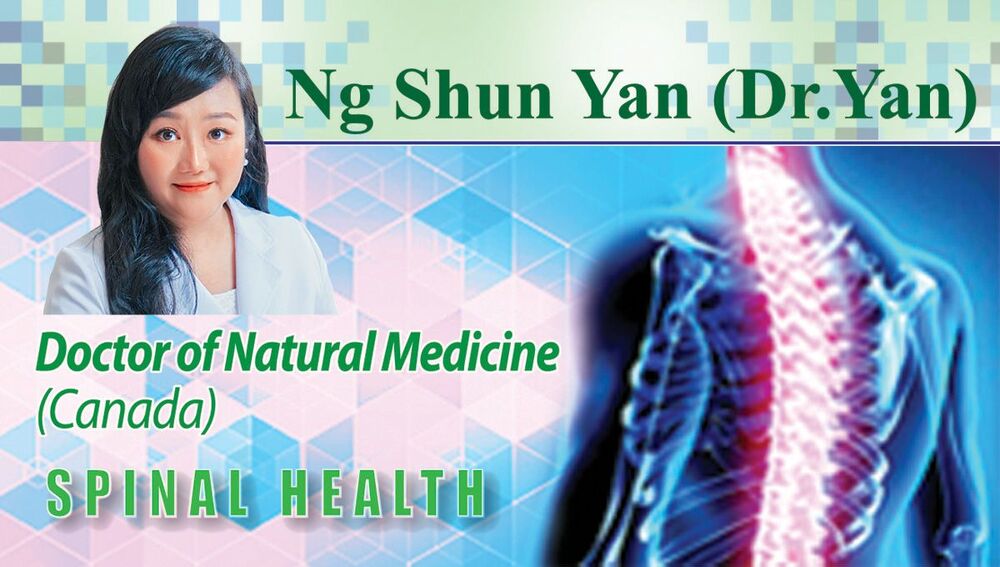
Dr Yan's non-invasive healing expertise
Dr Yan, a natural medicine doctor in Canada, has developed a non-invasive treatment integrating natural medicines, neuroanatomy, and biomechanics. Her innovative techniques offer a painless solution for maintaining spinal and digestive health, helping individuals achieve their full potential.