Read More


Night Recap - September 25, 2026
7 hours ago





Morgan Stanley Asia deals leaked in missent email attachment
24-09-2026 21:49 HKT
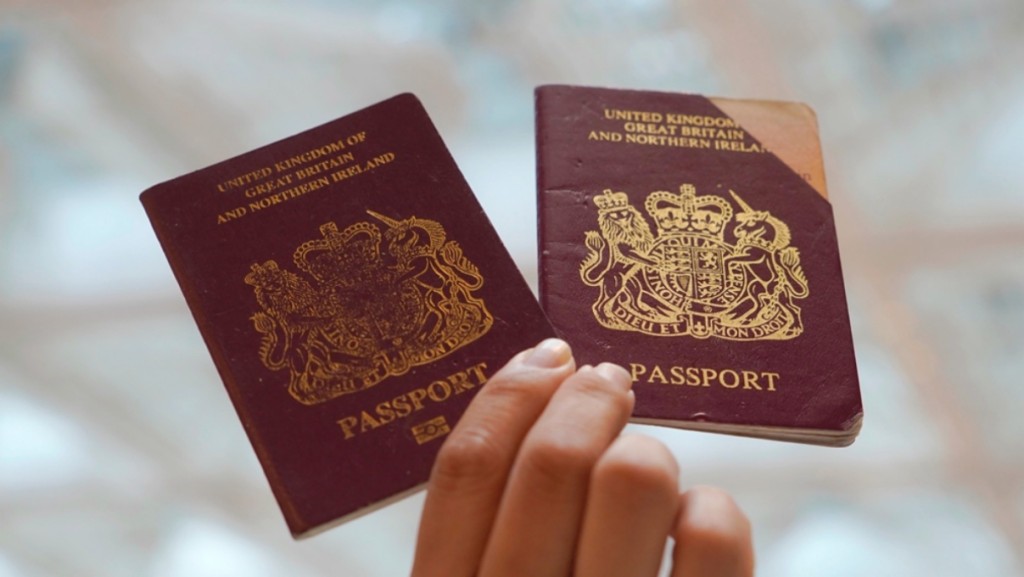
UK denies BN(O) visas to Hongkongers with protest convictions: report
23-09-2026 18:59 HKT
Ayra Wang
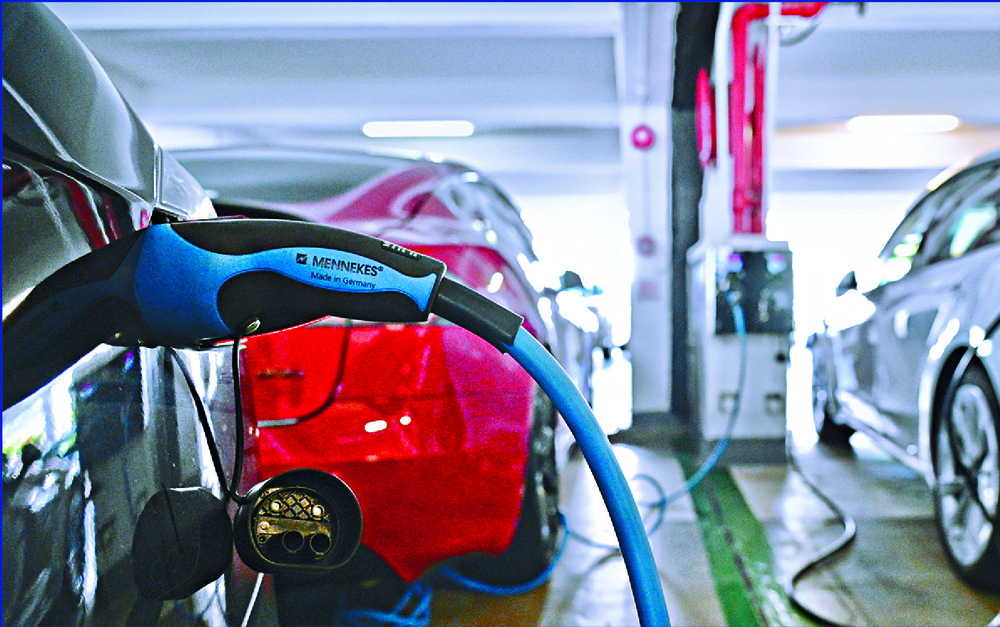
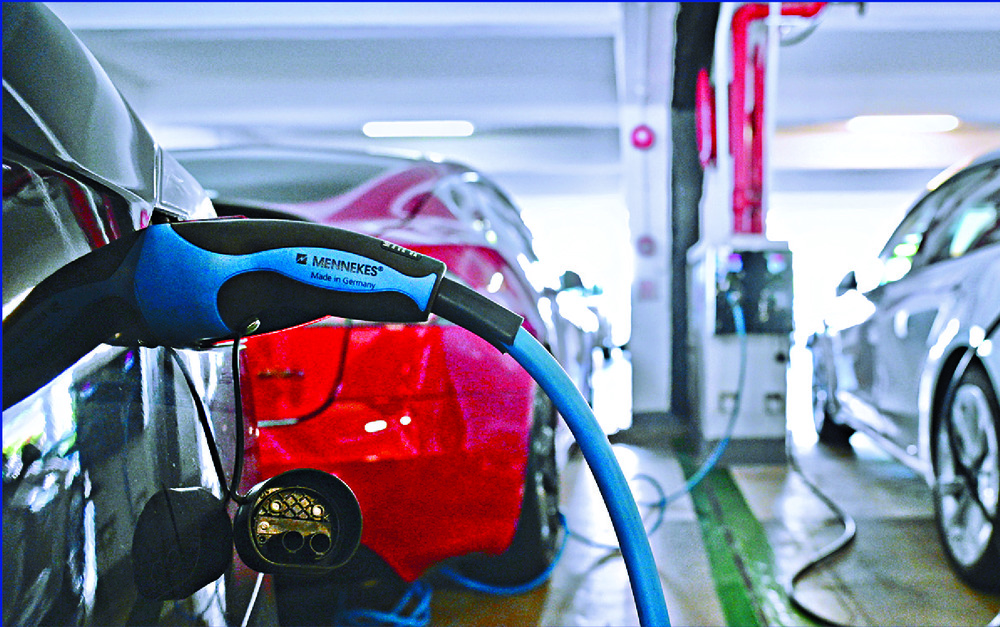
Nearly 23,000 new private electric vehicles were registered in Hong Kong in the first 10 months of the year - accounting for two-thirds of all newly registered private vehicles - according to Secretary for Environment and Ecology Tse Chin-wan.
The percentage of private electric vehicles among newly registered private vehicles has soared from 9 percent in 2017 to over 60 percent this year, Tse wrote on his blog yesterday.
The percentage of electric vehicles last year was 52.8 percent, while that for 2021 was 24.2 percent and for 2020 it was 12.4 percent, according to data from the Transport Bureau.
A total of 35,731 private vehicles were registered in the first 10 months and among them 22,970 - or 64.3 percent - were electric vehicles, Tse said. "Hong Kong's growth rate in electric vehicles is among the fastest in the world," he added.
As of the end of October, there were a total of 70,701 electric vehicles, representing about 7.7 percent of the total number of vehicles in Hong Kong, according to Environmental Protection Department.
Tse said the city has approved over 78,000 electric-vehicle parking spaces and over 30,800 have already been made.
Currently, public charging facilities are free, but Tse said the free services will end by year-end as the operation will be taken over by private companies.
A public car park in Kwai Fong, for example, will start charging drivers HK$19 an hour from 8pm tomorrow while another one in Kennedy Town will charge HK$21 from Friday.
The rest of the 1,400 facilities across 72 public car parks will begin charging fees gradually.
"The current free-charging services will hinder the development of other charging services," Tse said.
Ringo Lee Yiu-pui, honorary life president of the Hong Kong China Automobile Association, said collecting fees in public charging facilities will not hold back Hongkongers from buying electric vehicles.
Electric vehicles are still attractive despite charging fees as the price of fuel in Hong Kong is too high, Lee told The Standard.
"It's very normal to collect fees for charging electric vehicles as long as the price is reasonable," Lee said, adding that it should be monitored to enhance services.
"The government is advised to introduce third-parties - for example, power companies - to supervise the fees of charging stations."
He urged the city to build charging facilities in petrol stations for better accessibility.
"It is ideal to charge cars when parking, but the problem is that Hong Kong does not have enough spaces," Lee said.
He called on the administration to continue tax concessions for private individuals who buy electric vehicles for the first time as the surge in their use was mainly helped by tax breaks.
The concessions, which began in February 2021, save buyers as much as HK$287,500. They end on April 1.
"Many may choose to buy an electric vehicle before the deadline for concessions ends," Lee said.
"The government should continue the concessions, or even enhance them, otherwise it may discourage people from buying electric vehicles."
Lee said the surge in electric-vehicle brands this year, especially from China, has encouraged many Hongkongers to make a purchase.
"China-branded electric vehicles usually offer a more favorable price to consumers than other foreign brands, enabling those who have a lower budget to buy an electric vehicle."
ayra.wang@singtaonewscorp.com